Dan David Foundation · 2025 · Prize ceremony & social media
On Alina Șerban, and the slave who was given everything but freedom.
A short tribute on a Roma actress, playwright, and filmmaker who has made the recovery of silenced Roma history her life's work, and who asked that her film tell not her own story, but a legend she wanted the world to know: the story of Dincă.
- Client
- Dan David Foundation
- Subject
- Alina Șerban, actress, playwright, filmmaker
- Story
- the legend of Dincă, as recorded by Gheorghe Sion
- Direction
- Daniella Koffler
- Animation
- Moofa Animation Team
- Year
- 2025
The subject
Alina Șerban is a Romanian Roma actress, playwright, and filmmaker, the first in her family to finish school and university, and trained at the Academy of Theatrical Arts in Bucharest, at NYU's Tisch School of the Arts, and at RADA in London. Her autobiographical one-woman play I Declare at My Own Risk and her stage work The Great Shame, the first play on Roma slavery staged in a Romanian state theatre, made her a leading voice in the recovery of Roma history.
Her 2020 directorial debut, Bilet de iertare (Letter of Forgiveness), was the first film on Roma slavery written and directed from a Roma perspective. The Dan David Prize, which each year honors a small number of practitioners who explore the past through art, recognized Șerban as an award-winning film and theatre director, actress, and writer whose work foregrounds the history, culture, and identity of the Roma, a people enslaved in the Romanian principalities for some five hundred years, until abolition in 1856.
The aim
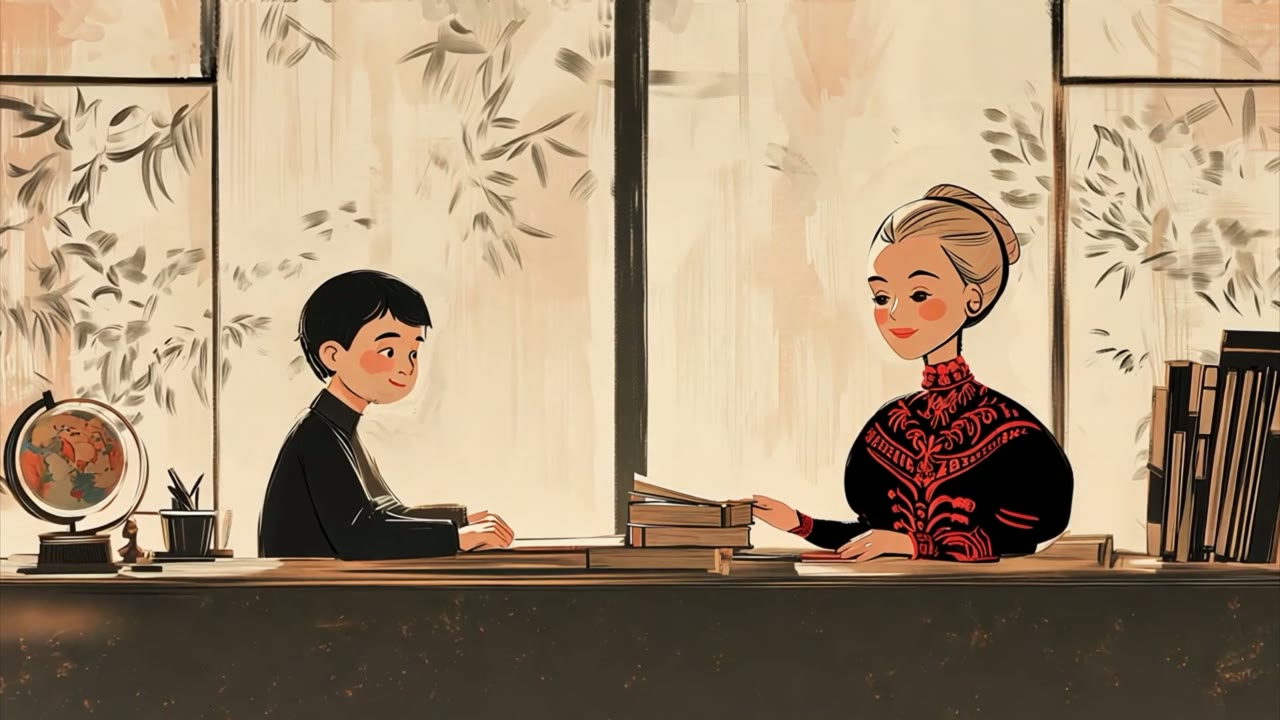
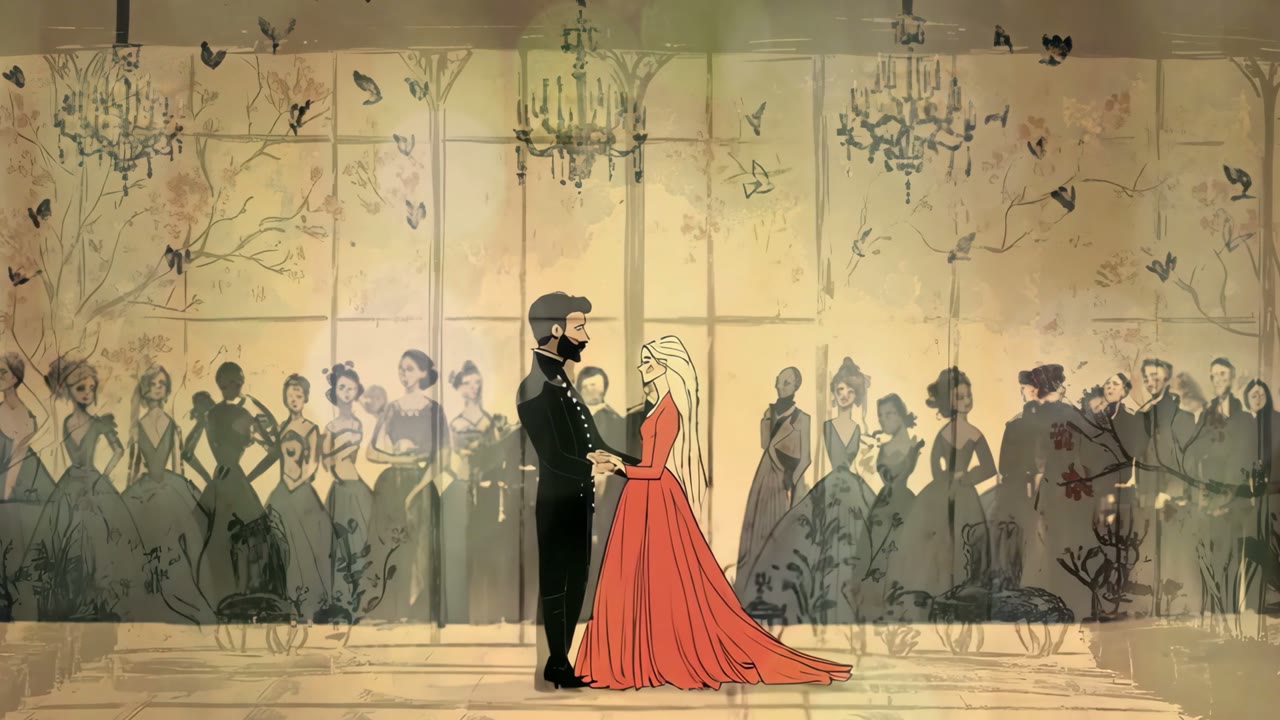
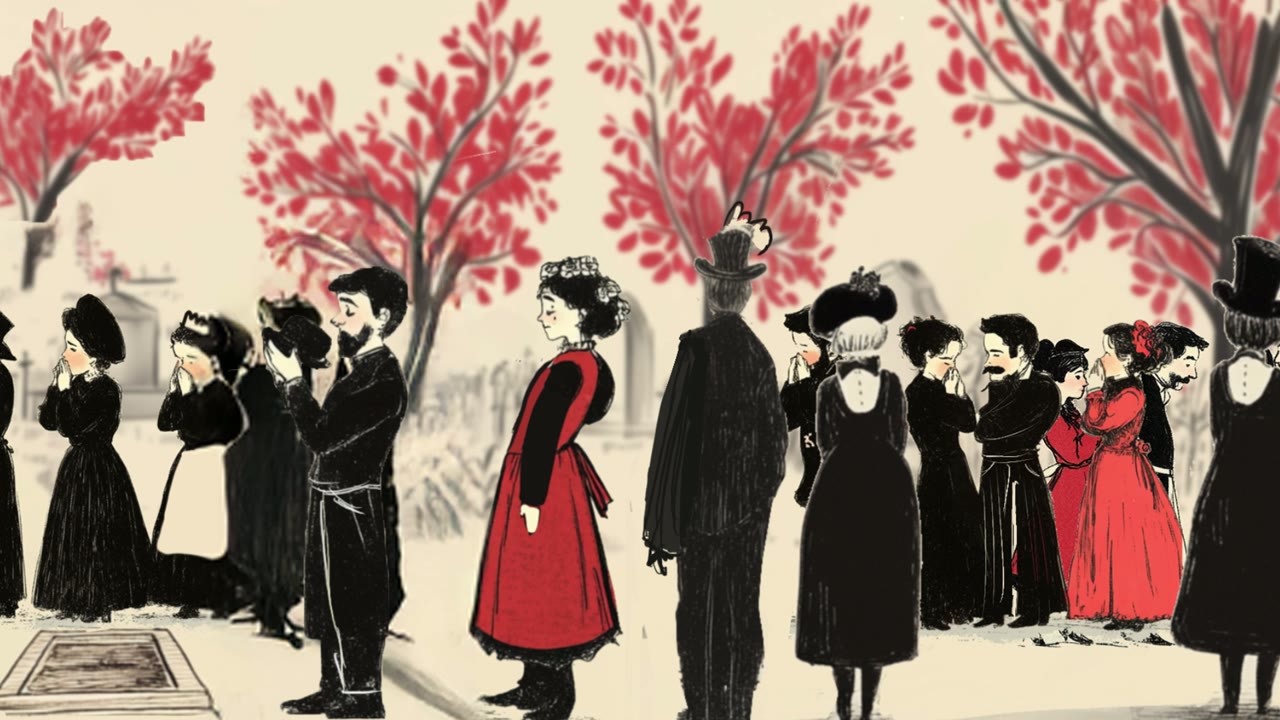
Unlike the year's other filmmaker, Alina Șerban did not want the film to be about her own creation. She wanted it to be about Dincă. His is a true story, recorded in the memoirs of the writer Gheorghe Sion: a man born a slave in the household of the Cantacuzino-Pașcanu family, raised and educated as though he were free, taken to Paris in the 1850s by the noblewoman Profirița. There he fell in love with a Frenchwoman. Offered, at last, his freedom, he understood that it had never truly been his to accept, and in his despair he took her life and his own. The story so shocked those who heard it that it is said to have hastened the movement toward abolition.
We built the film around the legend Șerban chose, following Dincă from the boyar's house to the Paris ballroom to the funeral procession, and finally to the page where his story survived. Șerban has herself made a film on this history, Bilet de iertare; ours is a companion to hers, a second telling of a story she has fought to keep from being forgotten, and a tribute to a body of work devoted to giving silenced Roma lives their voice.
The Dan David films
Each year the Foundation chooses, with the laureate, the subject of the film they are honoured for, and we turn it into script, image and motion. The laureate sees it for the first time on the evening of the prize — on the big screen, in a room full of people who have come to honour them. Afterwards the films go out on social media, YouTube, Facebook, LinkedIn and more, and on the Foundation’s own site, beside the committee’s reasoning and the laureate’s interview, and some laureates carry them into their own classrooms, to show what it is they work on.