Dan David Foundation · 2025 · Prize ceremony & social media
On Bar Kribus, and the valley that became sacred.
A short tribute on an archaeologist and historian of the Beta Israel, the Ethiopian Jews — and on Səmen Mənaṭa, the valley their tradition says became sacred through an act of bravery and devotion.
- Client
- Dan David Foundation
- Subject
- Dr. Bar Kribus, Tel Aviv University & Ethiopian Jewry Heritage Center
- Direction
- Daniella Koffler
- Animation
- Oren Hen
- Year
- 2025
The subject
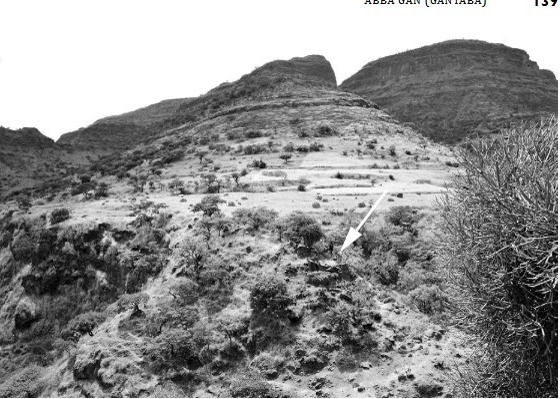
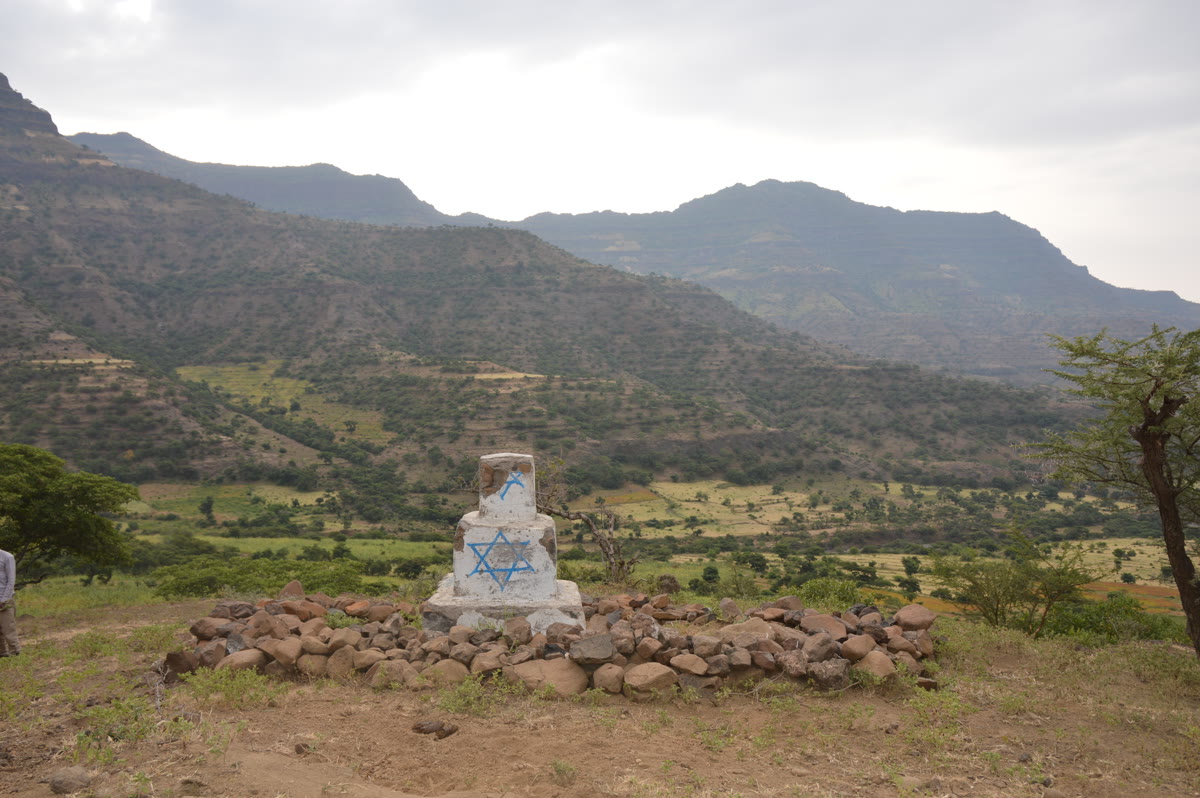
Bar Kribus is an archaeologist of Ethiopian antiquity and of the Beta Israel, the Ethiopian Jews. He is a researcher at the Goldstein-Goren Diaspora Research Center at Tel Aviv University and directs the research institute of the Ethiopian Jewry Heritage Center. Between 2015 and 2019 he led an archaeological survey of Beta Israel monasteries in the Səmen (Simien) Mountains, locating sites including Semien Menata, the last great Beta Israel monastery and the seat of their supreme monastic leadership.
His book Ethiopian Jewish Ascetic Religious Communities (ARC Humanities Press, 2021) documents the circular stone prayer houses, the walled compounds with their gated ritual segregation for the ascetic high priests, the dwellings, cemeteries, and pilgrimage sites of a people who did something no other Jewish community is known to have done: developed a monastic order. The Dan David Prize honored Kribus for combining archaeology, fieldwork, and written and oral histories to explore the religious traditions of the Beta Israel and their place in the wider religious world of Ethiopia.
The aim
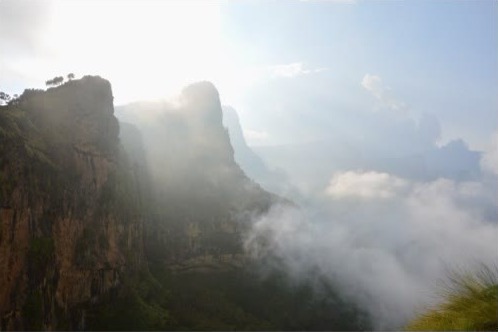
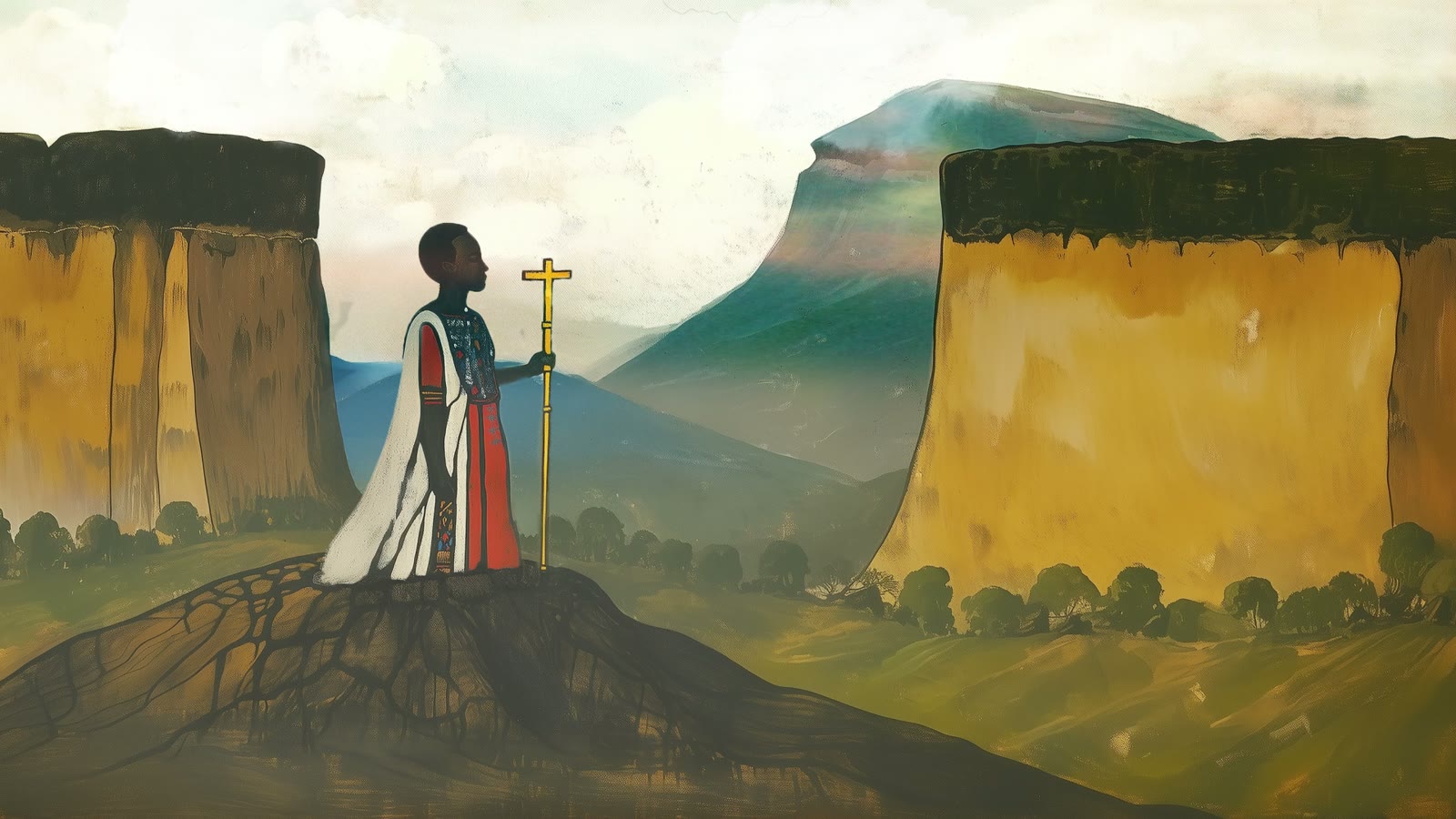
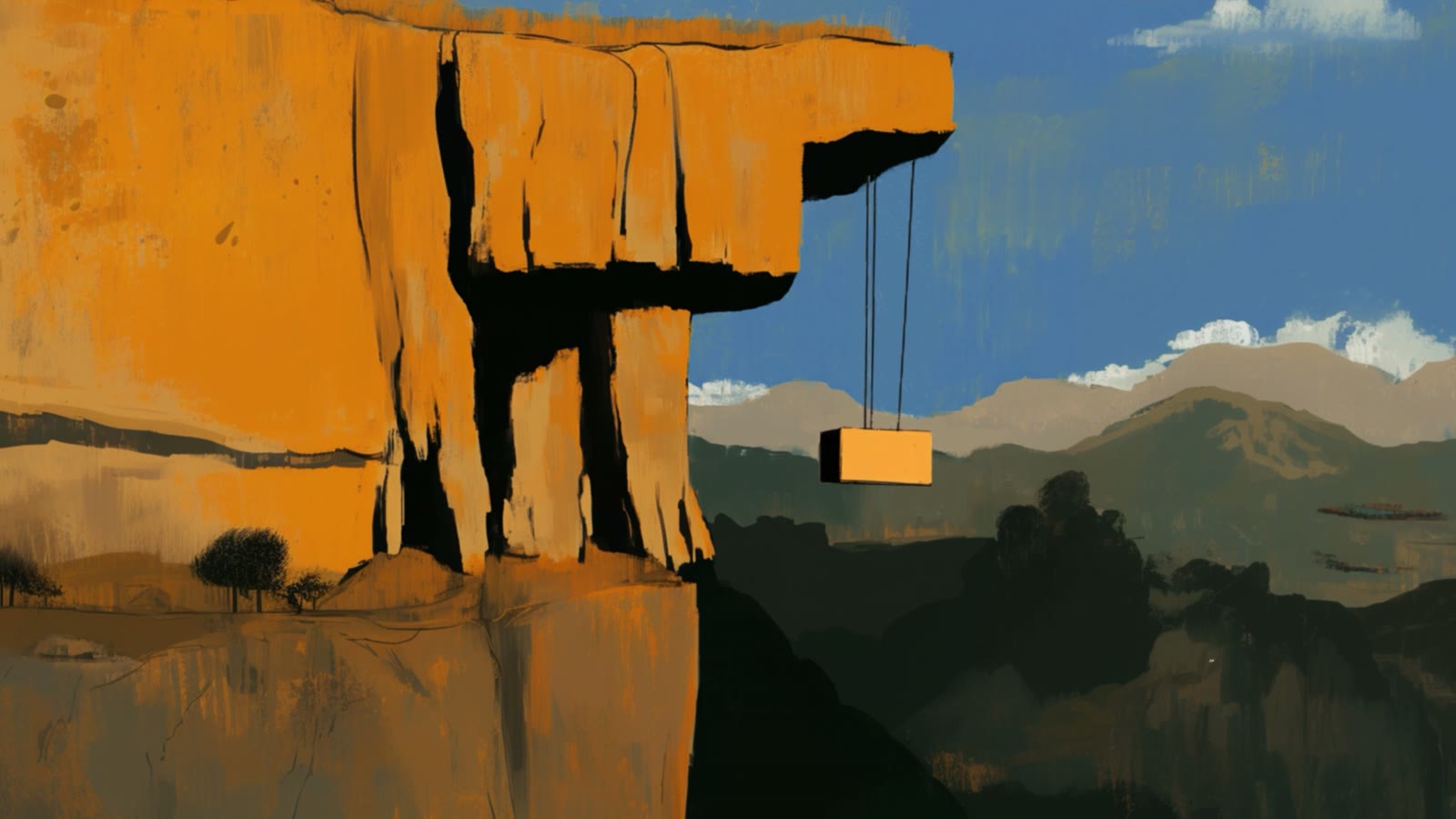
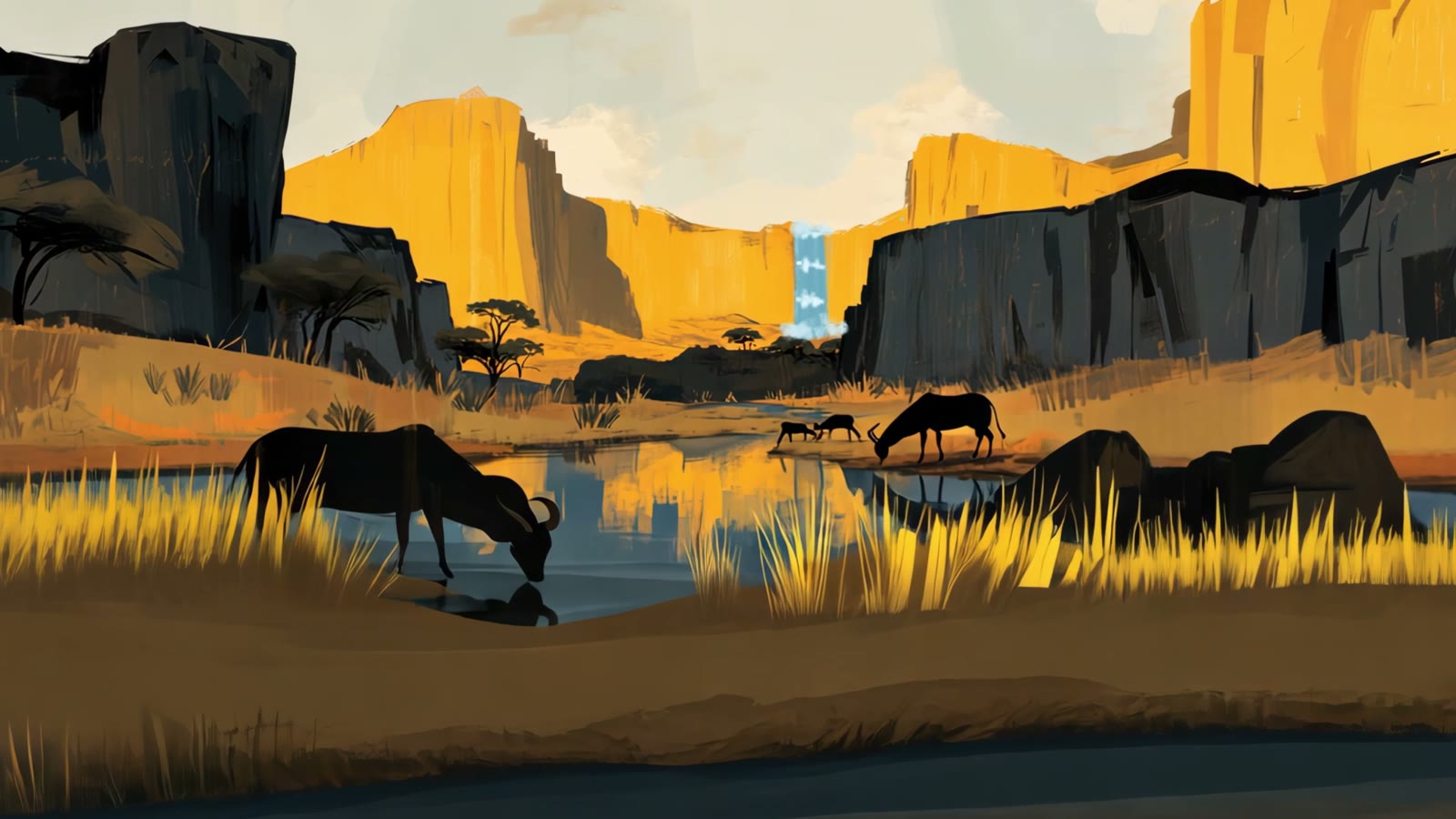
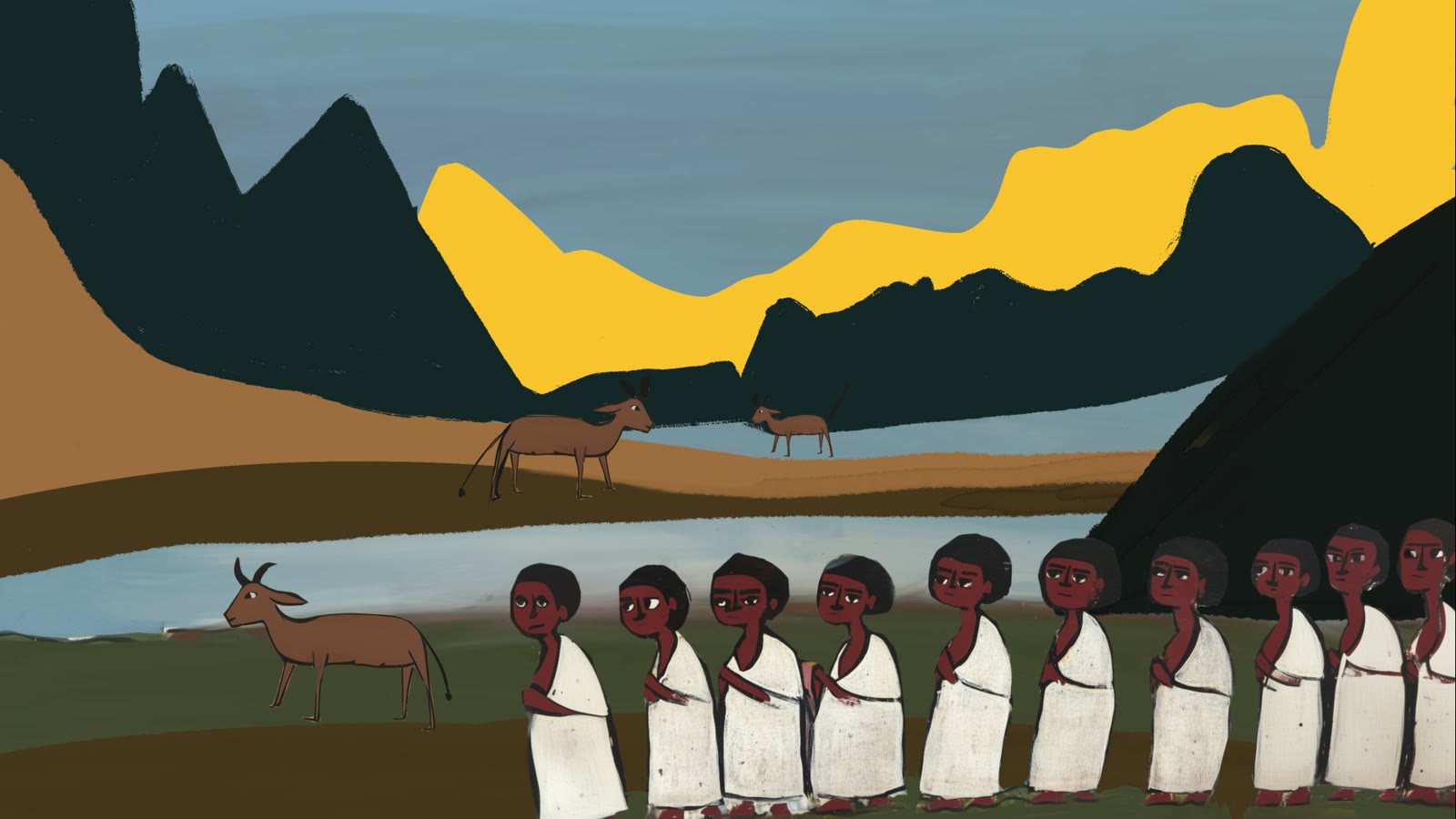
The film tells one tradition, the way Bar Kribus tells it. Deep in the Səmen Mountains lies the valley of Səmen Mənaṭa. In the fifteenth century the Christian emperor Yəsḥaq decreed the forced conversion of the Beta Israel. Seventy-five of them gathered on a mountaintop above the valley; when the army arrived they saw no escape, and rather than convert they climbed into a crate held by a rope above the cliff, and cut the rope. Where they landed, tradition has it, water springs began to flow. The site became holy, and the religious centre founded beside it served as the last seat of the Beta Israel’s high priesthood.
The style is Ethiopian painting in general — flat, almost naive — and the people are kept in long shot, because we honestly know very little about them. The weight of the film goes to the moment it was made for: the people who chose to die rather than become Christians.
The Dan David films
Each year the Foundation chooses, with the laureate, the subject of the film they are honoured for, and we turn it into script, image and motion. The laureate sees it for the first time on the evening of the prize — on the big screen, in a room full of people who have come to honour them. Afterwards the films go out on social media, YouTube, Facebook, LinkedIn and more, and on the Foundation’s own site, beside the committee’s reasoning and the laureate’s interview, and some laureates carry them into their own classrooms, to show what it is they work on.