The subject
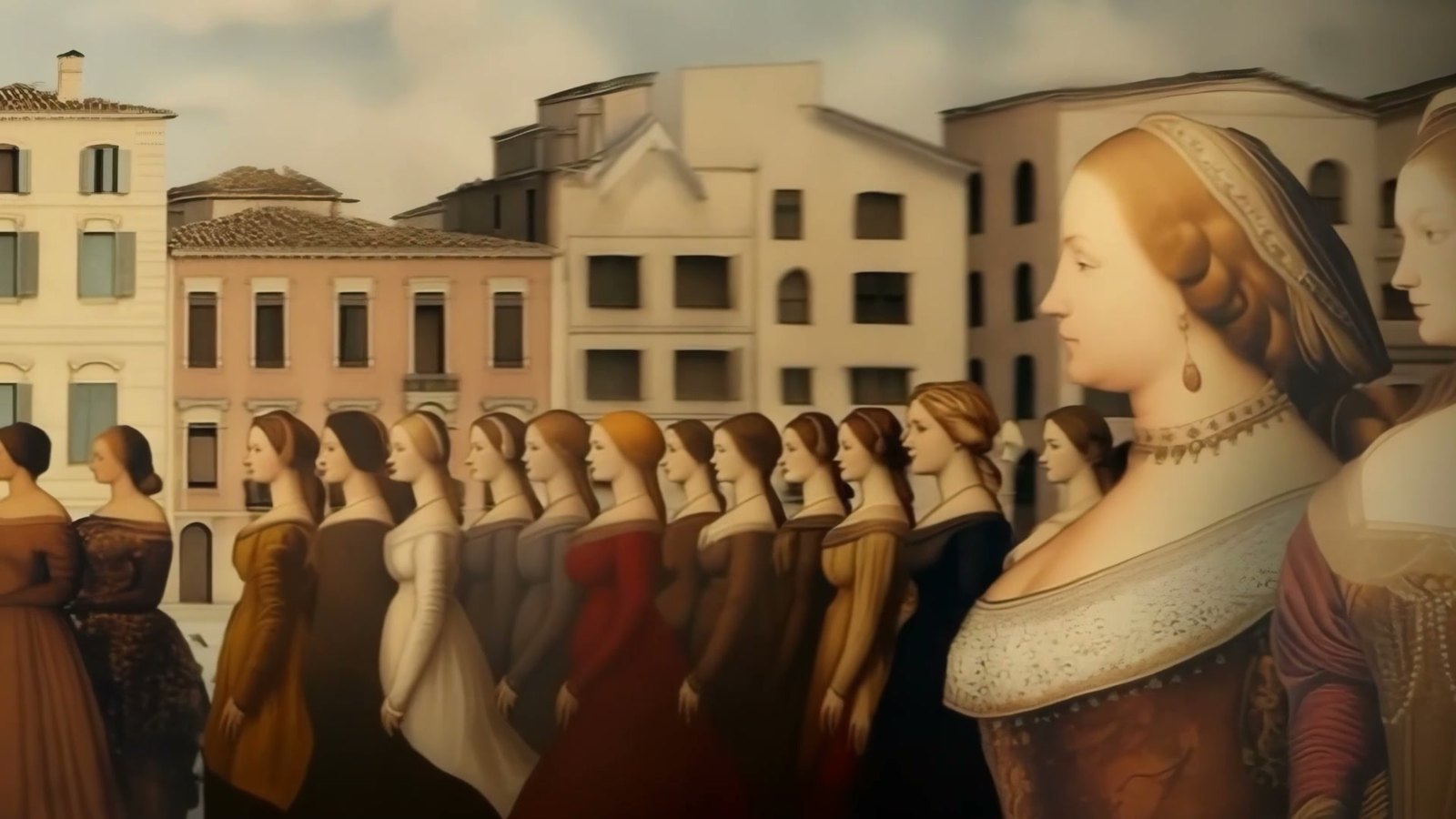
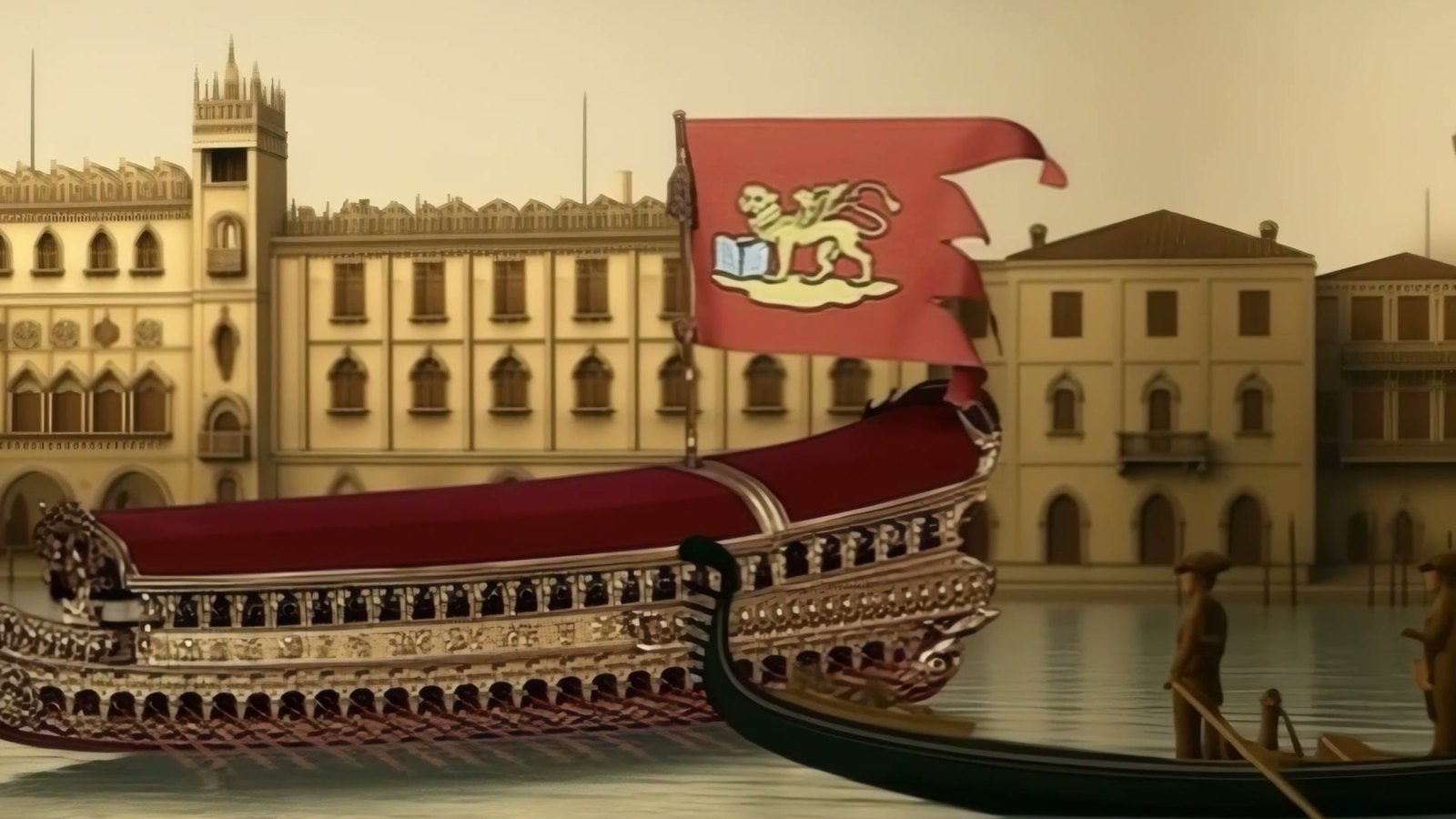
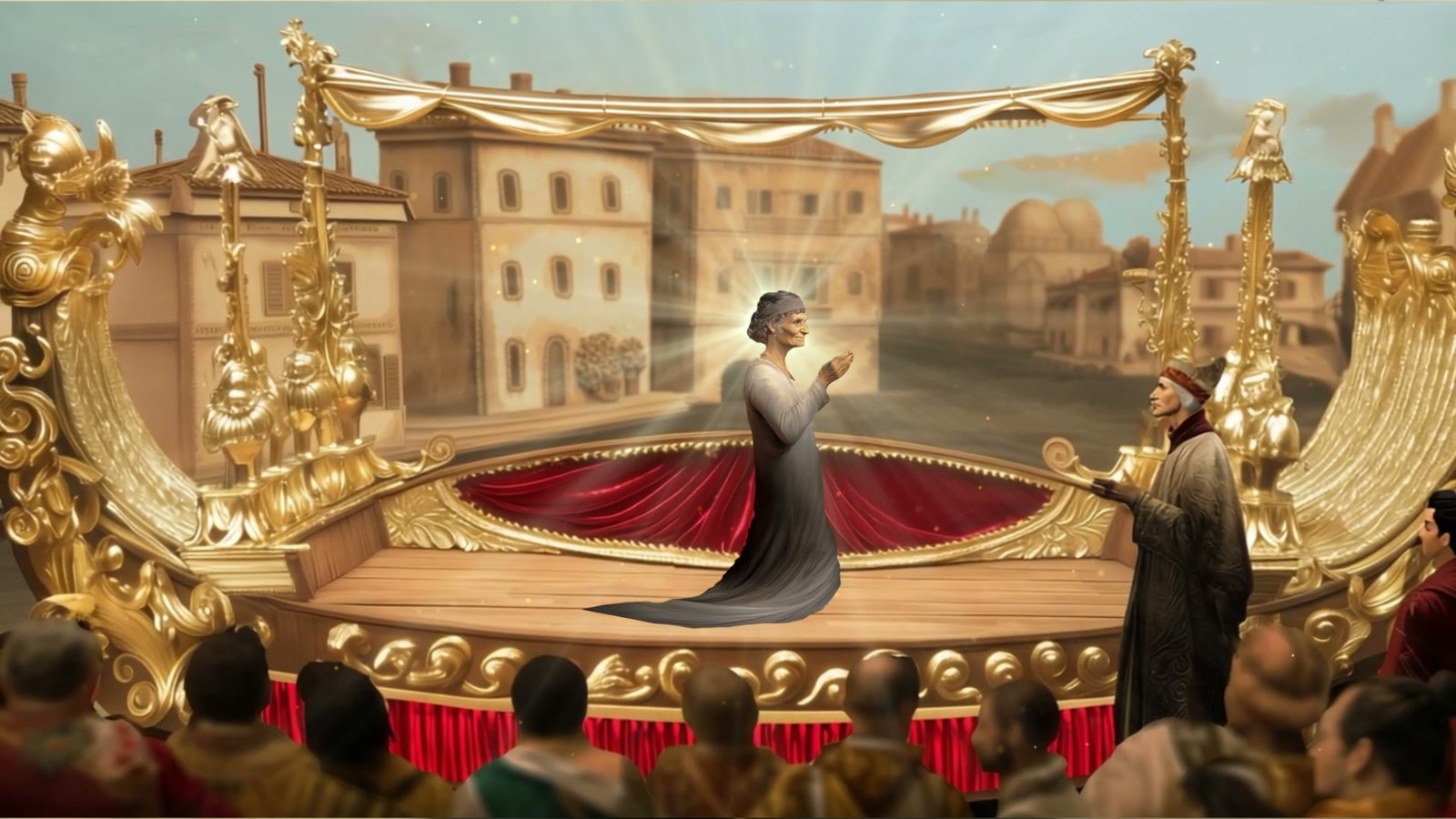
On 1 May 1556 the city of Venice welcomed Queen Bona Sforza of Poland, the Serenissima’s first royal visitor in many years. Her journey across the Alps into Italy had been marked by militaristic receptions in Udine and Treviso and a parade of scholars and noblewomen in Padua; in Venice it ended in a series of ceremonies aboard the Bucintoro, the state’s ceremonial galley.
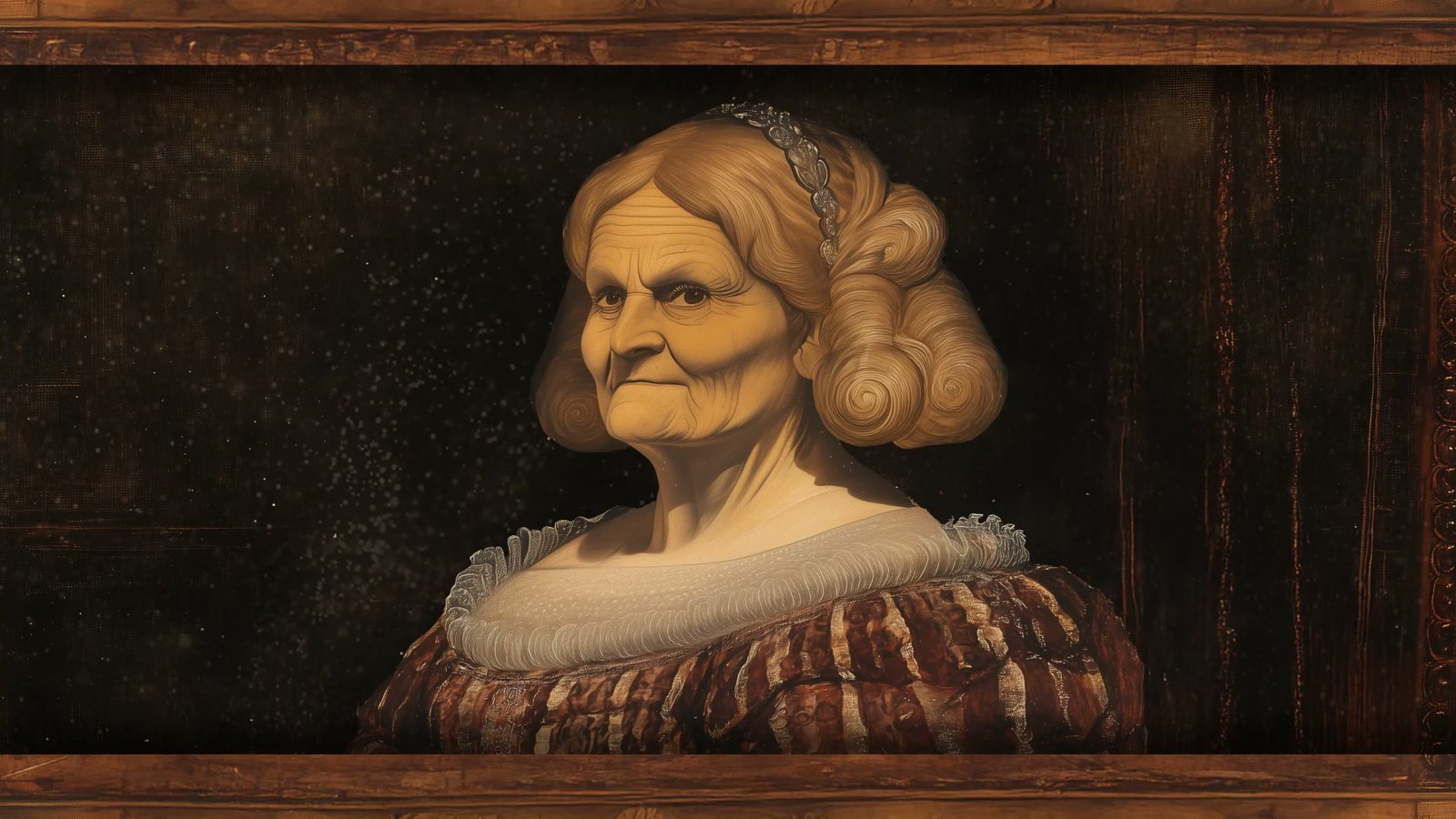
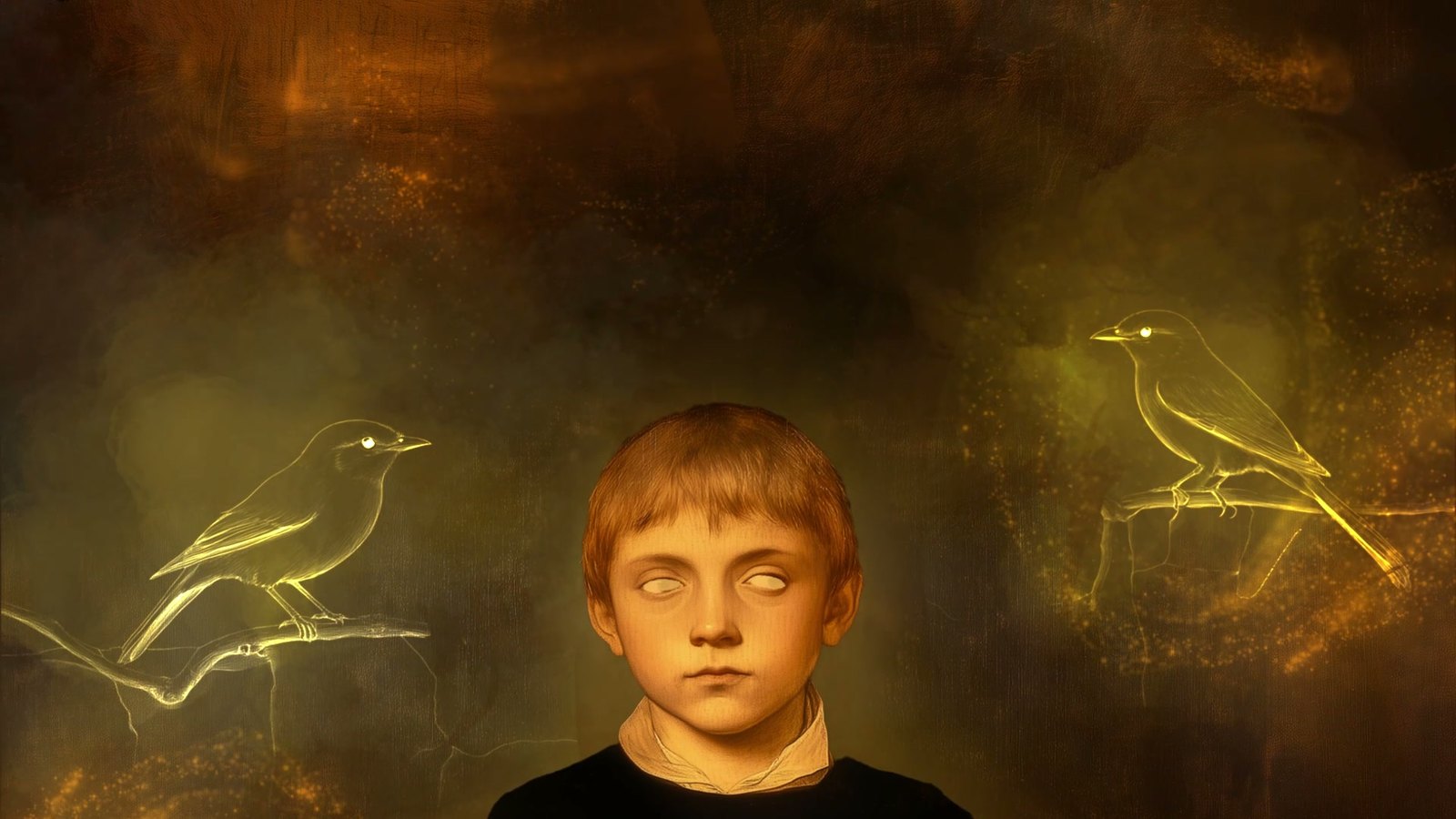
Two orations from that day survive. One, in Latin, was given by the humanist Cassandra Fedele, then ninety-one; the other, in Italian, by Luigi Groto, a fifteen-year-old blind prodigy. Fedele’s performance embodied the long-lived wisdom and faith of the Venetian state. Groto’s took up the same theme of the lifecycle, and drew attention to what could be perceived without sight.
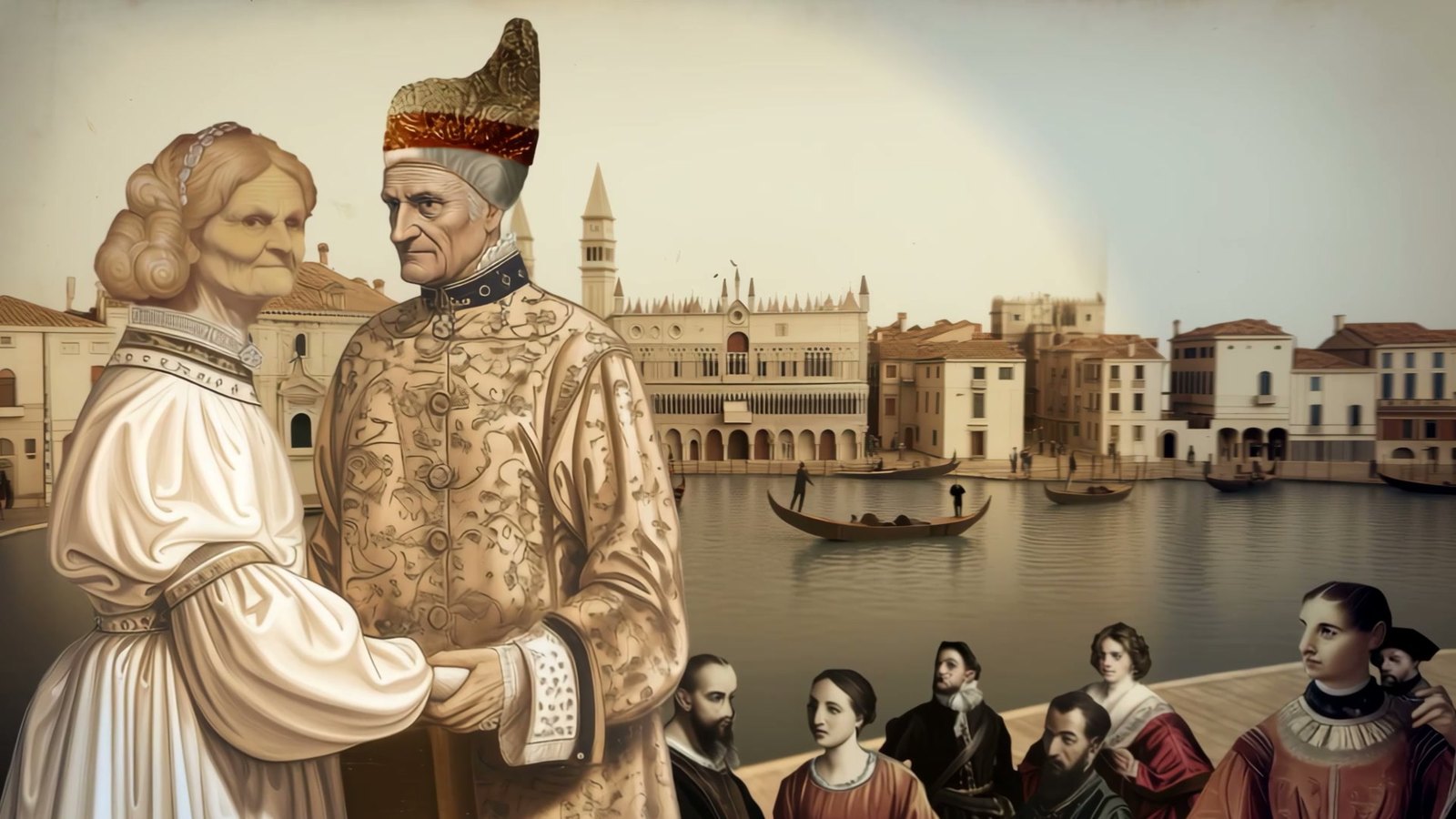
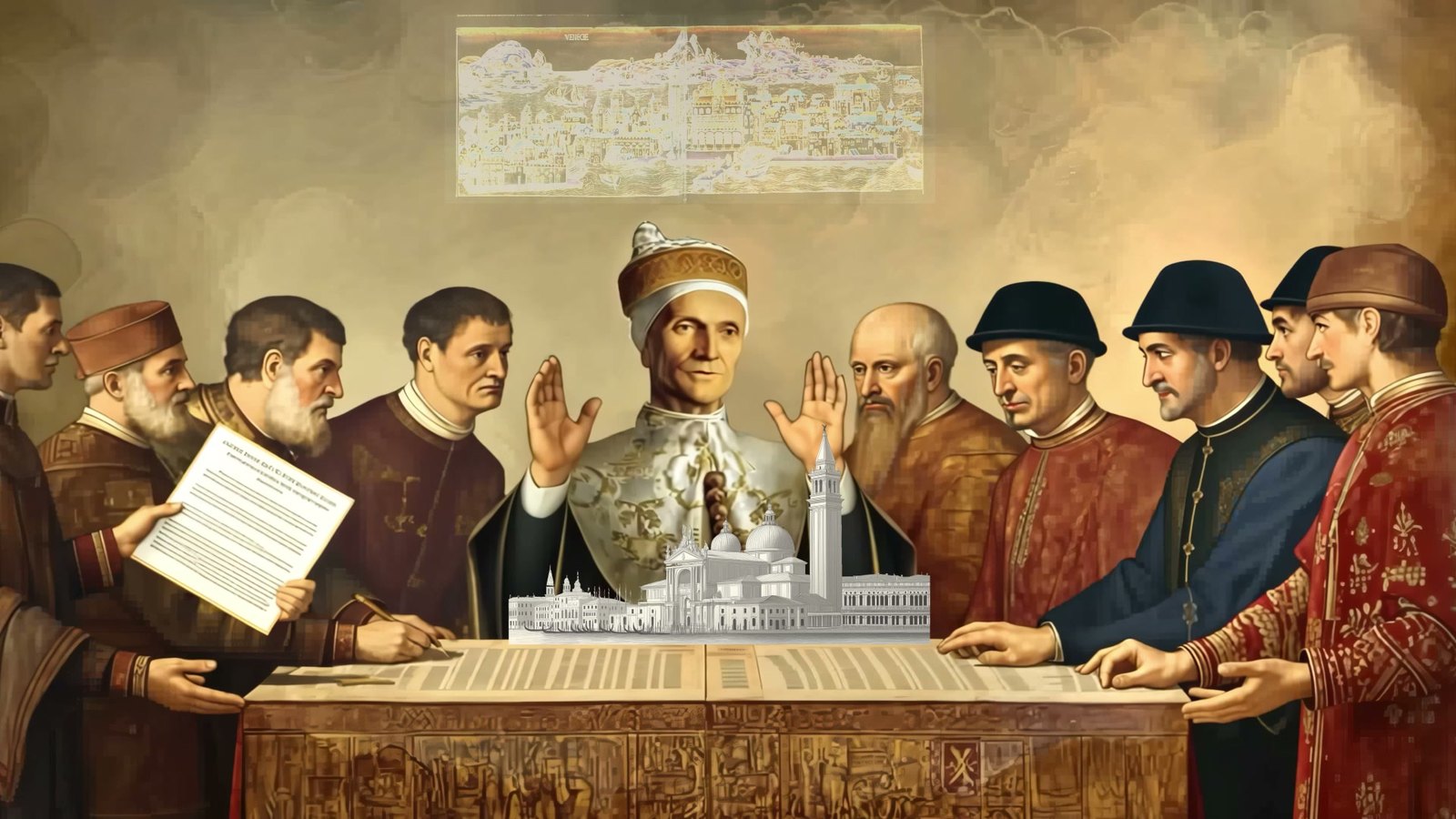
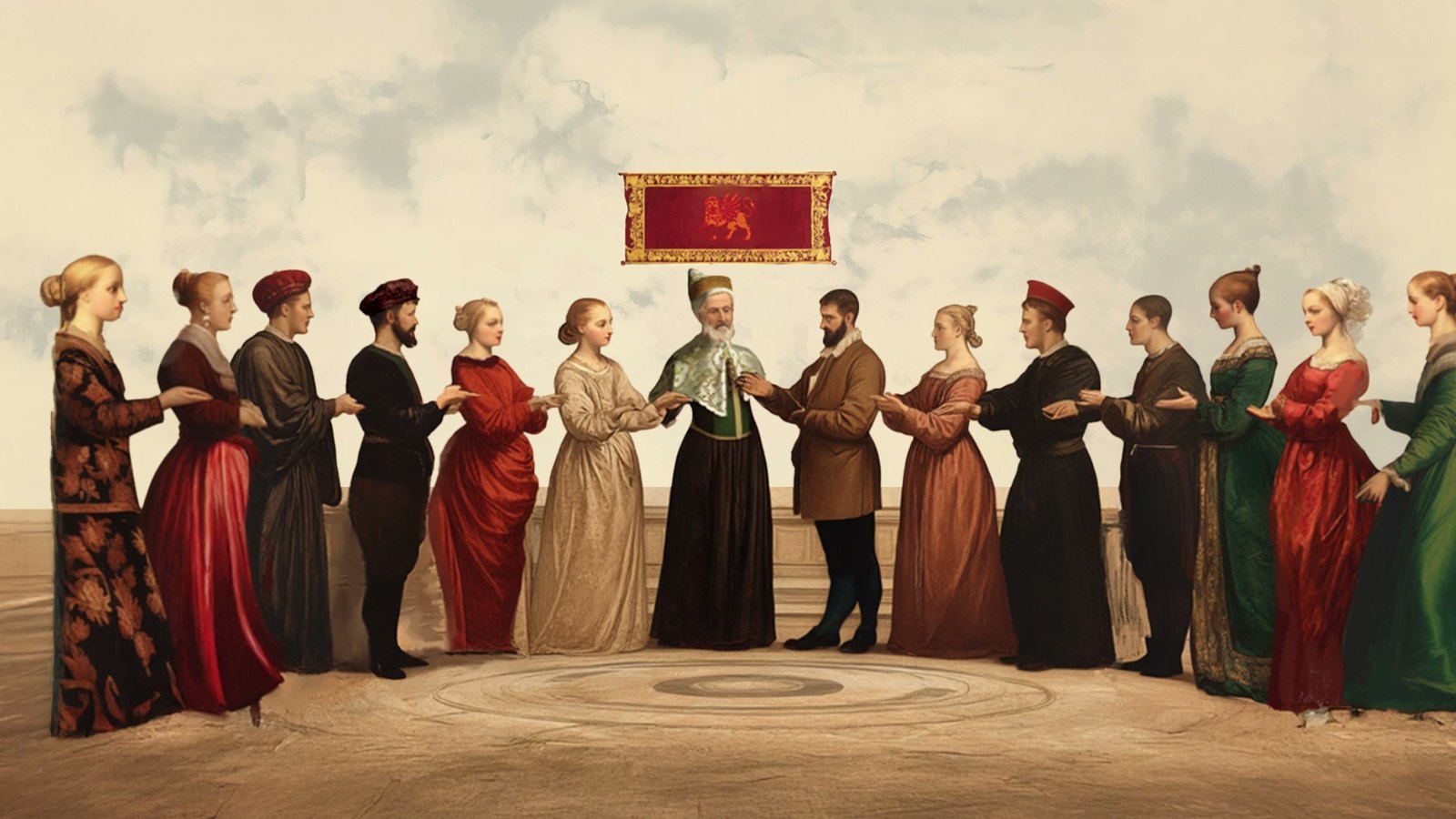
Both speeches served a Venetian political identity that celebrated the collective wisdom of older statesmen in a republican government. By raising up an elder woman and a blind boy, the Republic showed foreign rulers that its spectacles were not about the perfection of the body, but about a Platonic ideal of wise republican leadership. As Marcus says in the film, the jewels of this state were not thirty-year-old beautiful men with the sprezzatura Castiglione asked for: it was a very different image of state power.
The film
Venice is not Florence, and the film is careful about the difference. We gave particular attention to Venetian painting of the period, above all the colour of Giorgione and Titian. The film is built on real portraits of Queen Bona and of the Doge of the time, down to his dress, and on the Bucintoro as it actually was. Only in the two orations did we allow ourselves more freedom, while keeping to the realistic line.
About the laureate
Hannah Marcus is Professor of the History of Science at Harvard University, a historian of science, medicine and culture in early modern Europe, and the author of Forbidden Knowledge: Medicine, Science, and Censorship in Early Modern Italy (University of Chicago Press, 2020). The Dan David Prize selection committee described her as a cutting-edge leader in the field of the history of science, noting that her work sets the agenda for future histories of the interconnection between society, science and medicine.
The Dan David films
Each year the Foundation chooses, with the laureate, the subject of the film they are honoured for, and we turn it into script, image and motion. The laureate sees it for the first time on the evening of the prize — on the big screen, in a room full of people who have come to honour them. Afterwards the films go out on social media, YouTube, Facebook, LinkedIn and more, and on the Foundation’s own site, beside the committee’s reasoning and the laureate’s interview, and some laureates carry them into their own classrooms, to show what it is they work on.