The subject
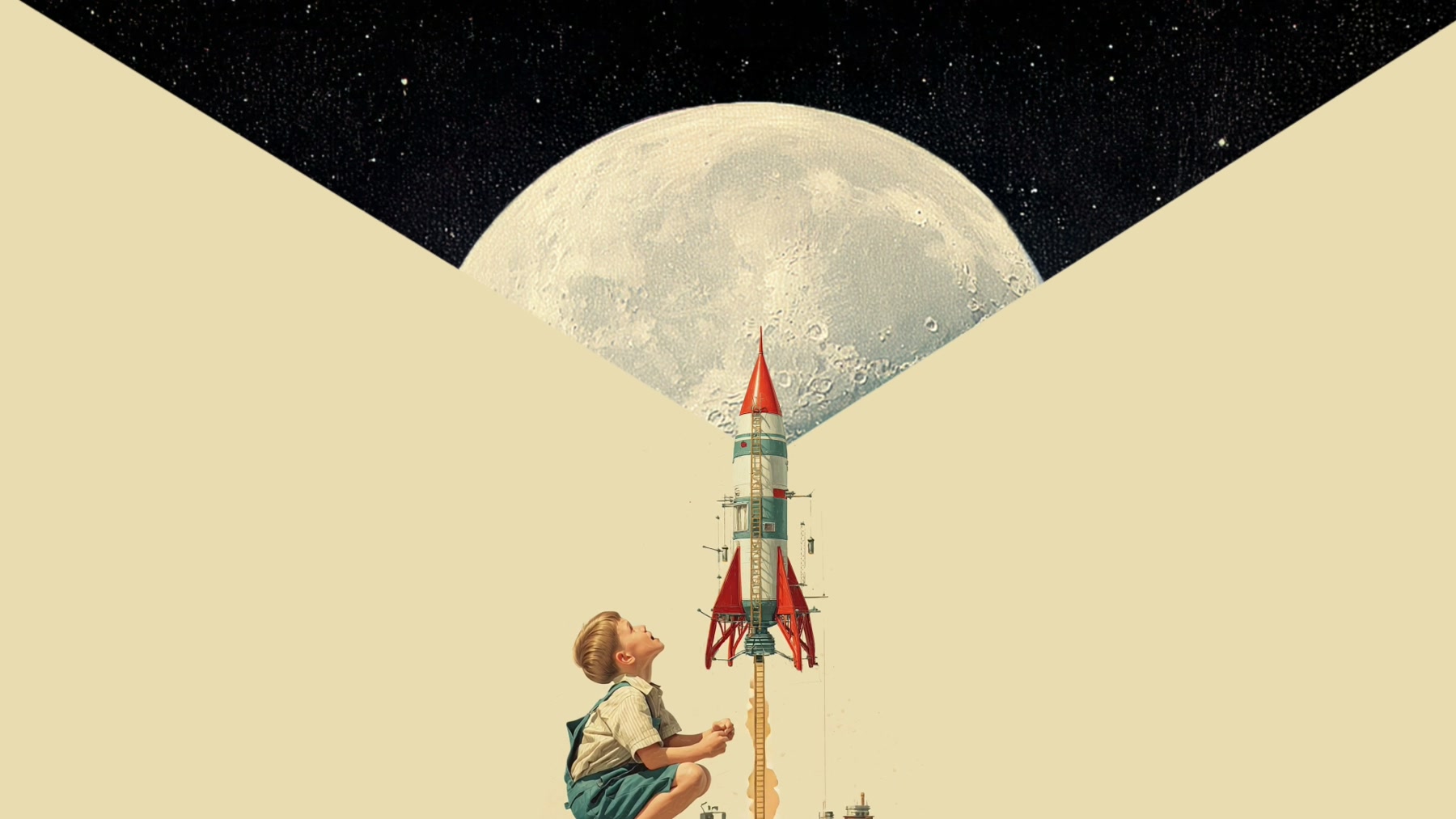
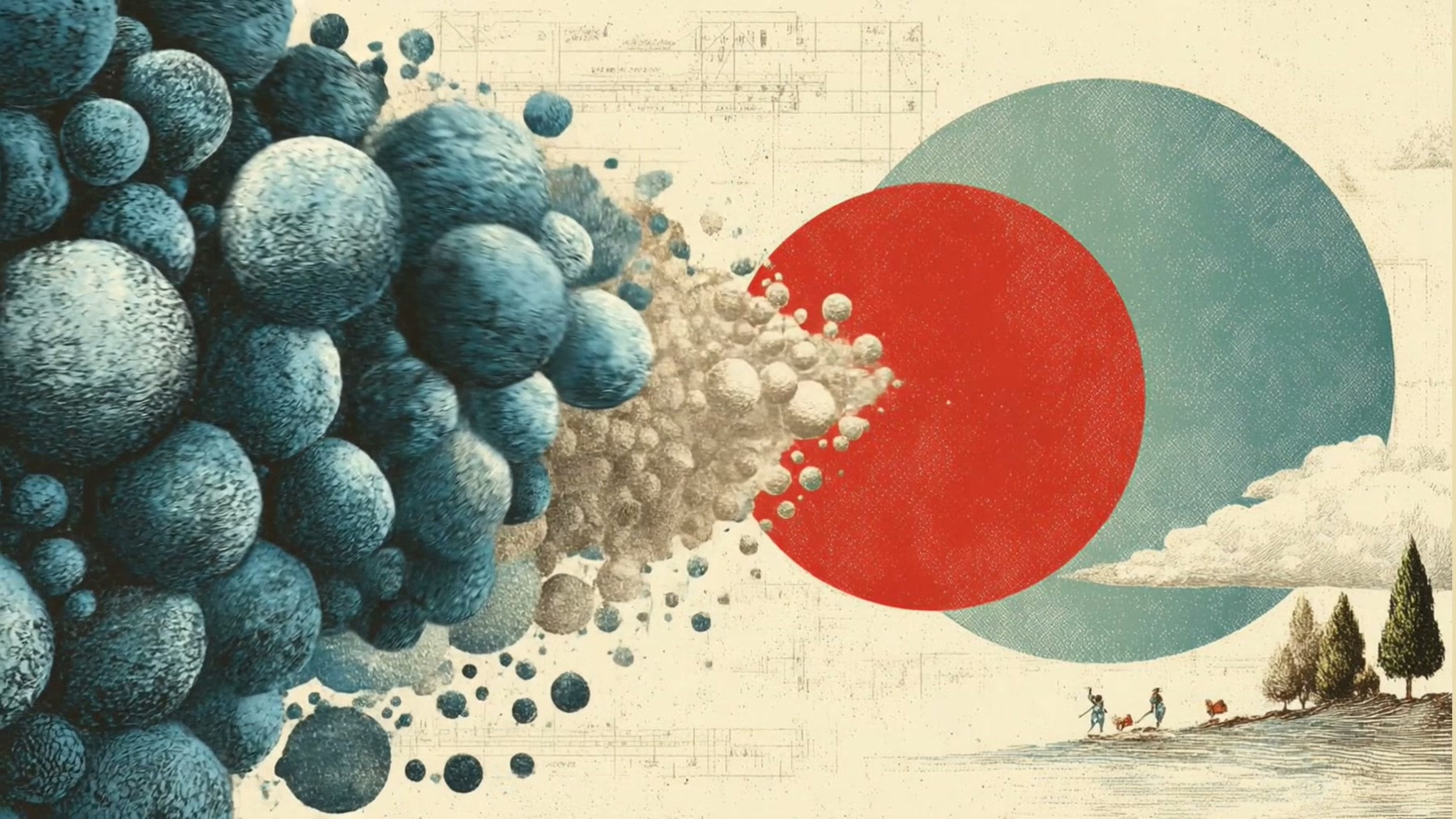
In the 1960s, as NASA prepared to land people on the Moon, serious scientists argued that microbial life might have evolved on the lunar surface — and that if it came back with the astronauts it could contaminate the biosphere and cause a plague worse than any in human history. A network of scientists, officials and civil servants built a quarantine protocol to contain that possibility.
Degroot went through what actually happened, and found that what NASA said in public and what it weighed in private ran the other way from each other — and that the protocol was riddled with failures, many of them never disclosed.
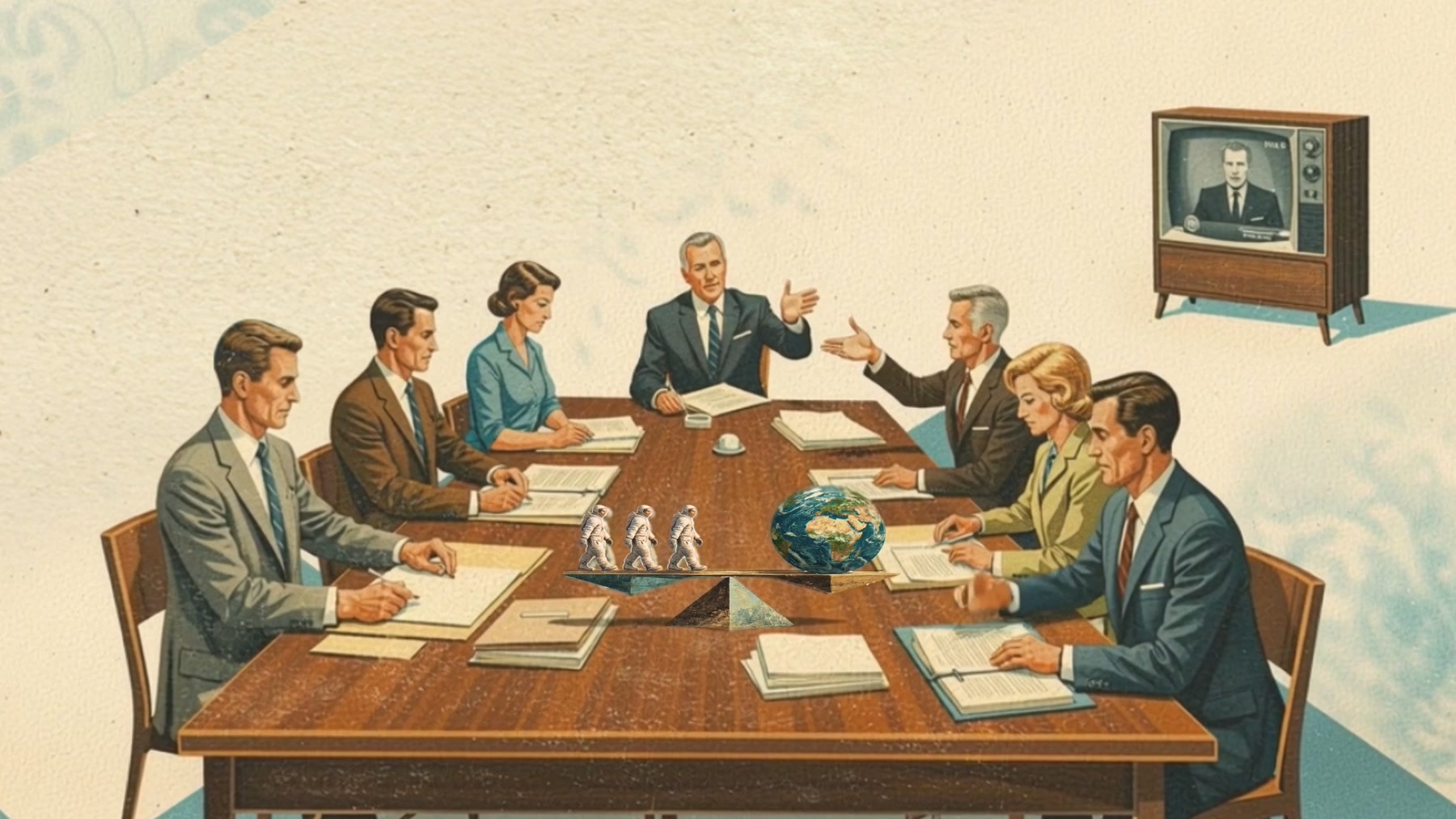
What makes it a serious piece of history rather than a scandal is the conclusion. Nobody was corrupt. The probability really was low. The astronauts were three known, present human beings and the Earth’s risk was theoretical and unprecedented. This is what a rational risk calculus produces — which is exactly why it is worth understanding.
The aim
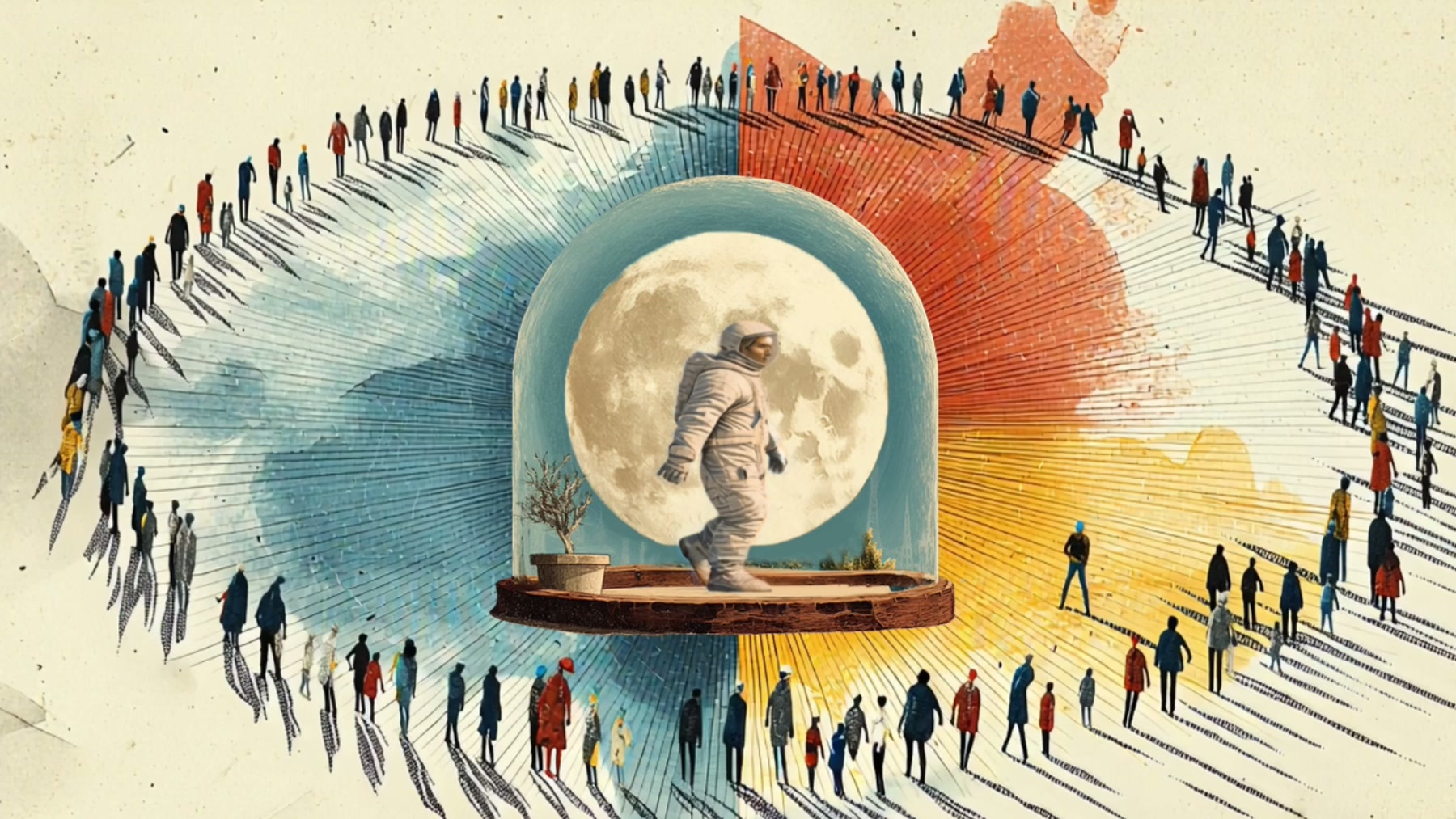
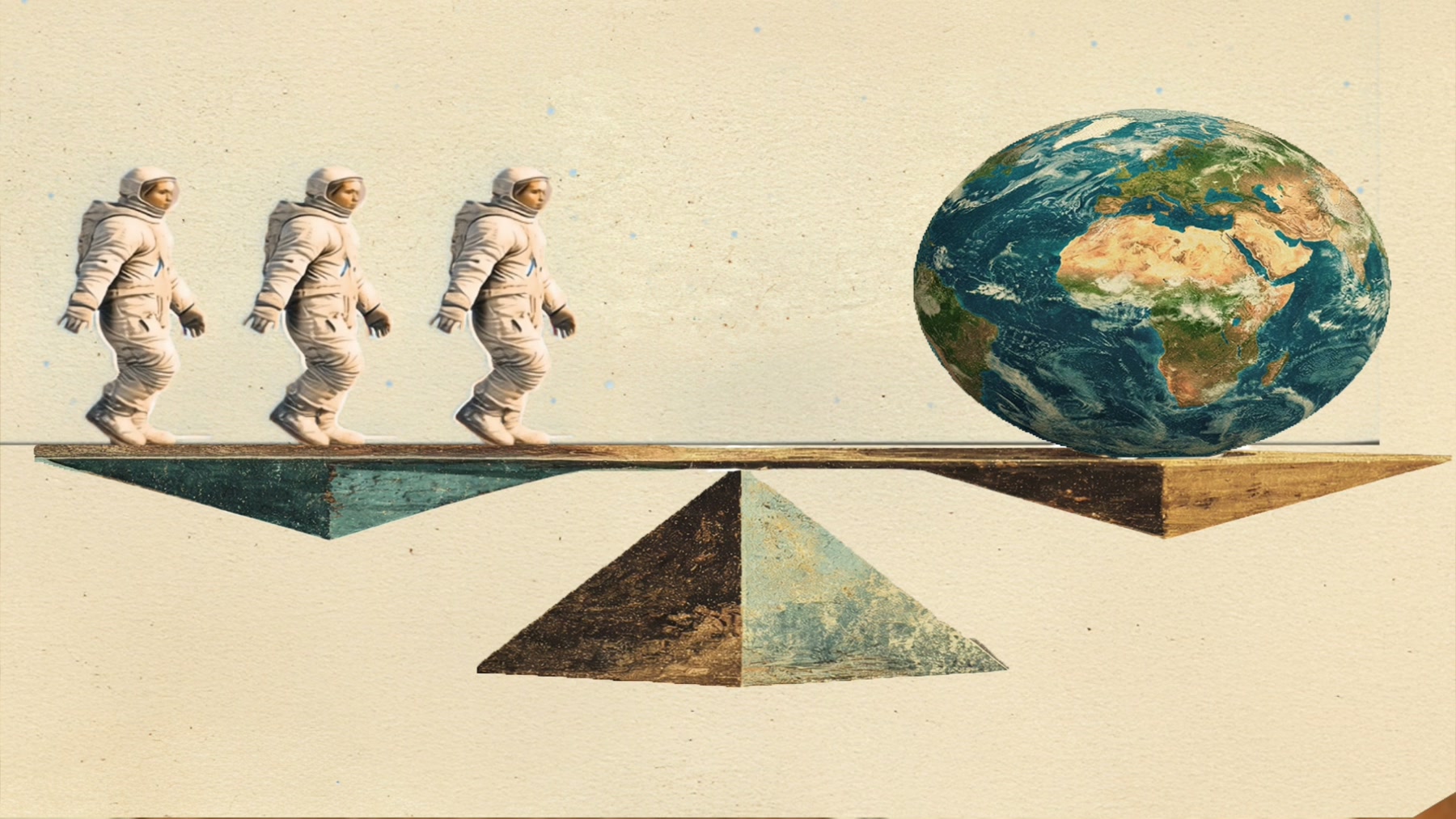
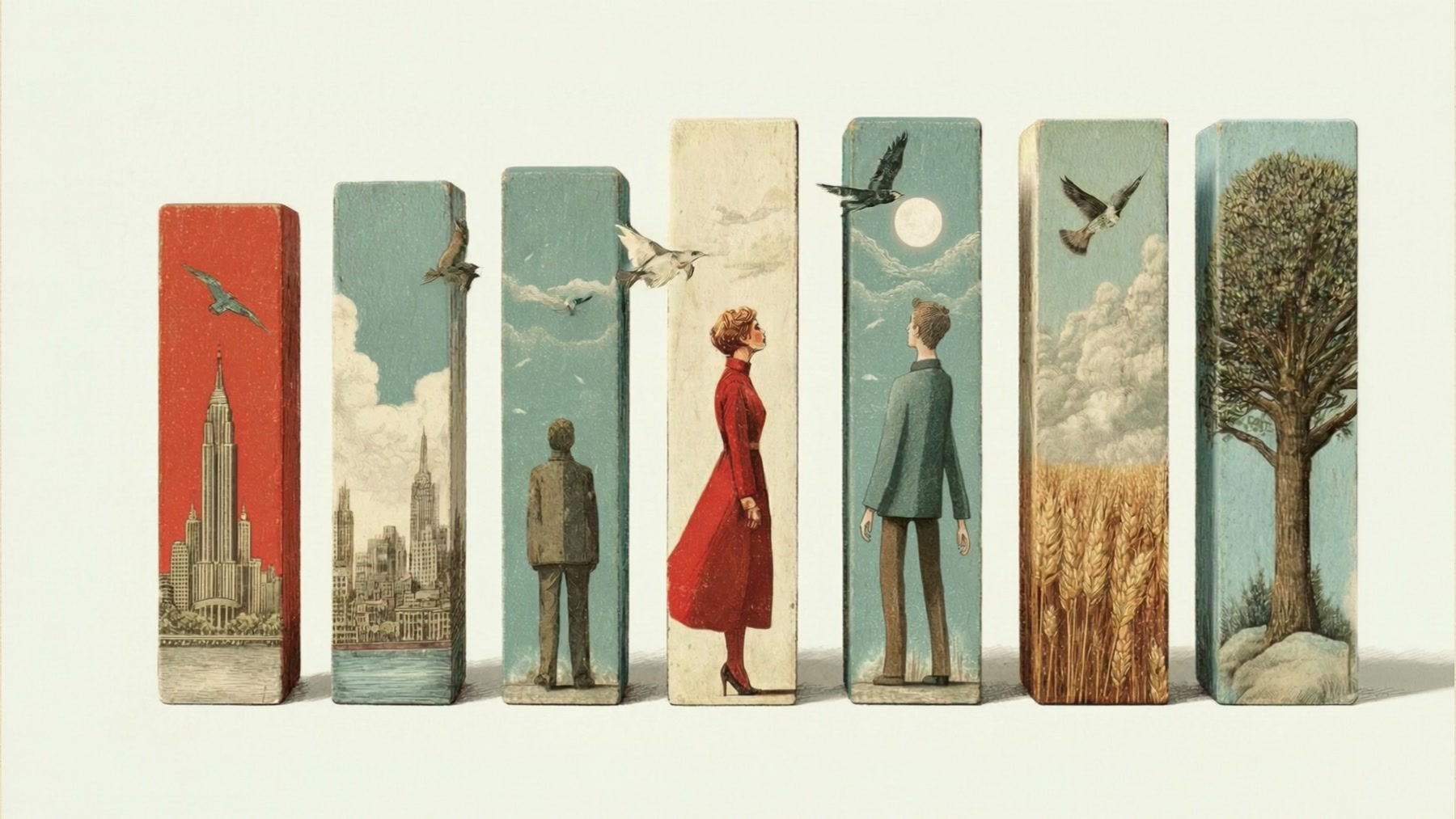
We wanted the film to be about the people, not the procedure — the public and what the public believed, the scientists who speculated, and the officials who had to make the call and absorb the criticism. As Degroot puts it, they gambled the fate of the Earth. So the film shows the Earth, and it shows a great many people, and it stays away from the technical apparatus entirely.
The whole middle of the film is one unbroken chain of transformations, and it carries the argument by itself: the boundary between what was contained and what was told became a broadcast, and then background noise in the room where the decision was made. The stills below follow that chain.
About the laureate
Dagomar Degroot is a historian of environmental change on Earth and across the solar system, and Associate Professor of Environmental History at Georgetown University. The Dan David Prize selection committee was “impressed with Degroot’s highly innovative and timely research on climate history, that provides a novel emphasis on societal adaptation and survival under extreme conditions and successfully integrates insights from the humanities and the sciences, as well as by his commitment to conveying this work to the broader public.”
The Dan David films
Each year the Foundation chooses, with the laureate, the subject of the film they are honoured for, and we turn it into script, image and motion. The laureate sees it for the first time on the evening of the prize — on the big screen, in a room full of people who have come to honour them. Afterwards the films go out on social media, YouTube, Facebook, LinkedIn and more, and on the Foundation’s own site, beside the committee’s reasoning and the laureate’s interview, and some laureates carry them into their own classrooms, to show what it is they work on.