Dan David Foundation · 2026 · Prize ceremony & social media
On R. Isabela Morales, and a town that briefly made room.
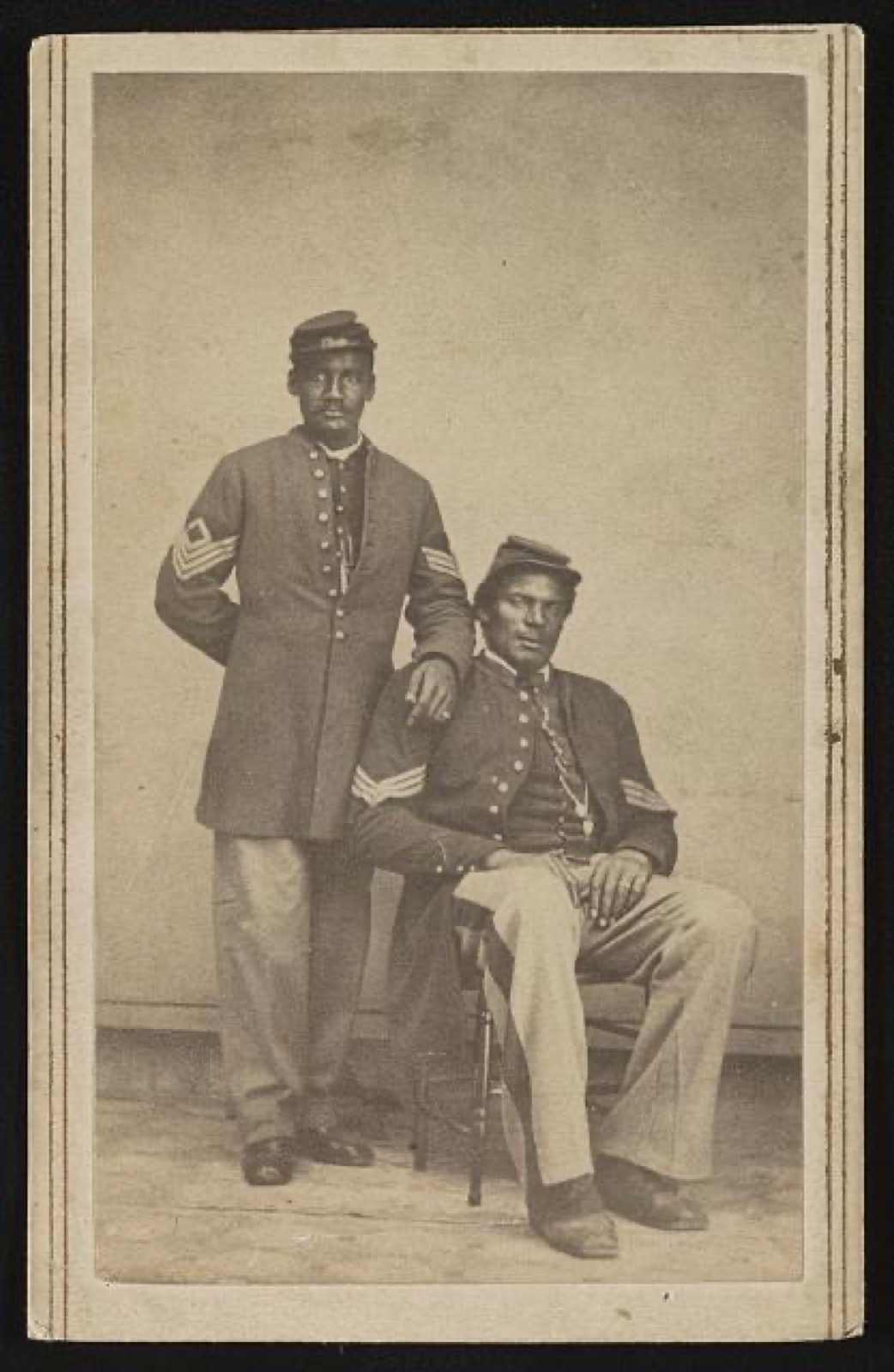
A three-minute tribute on a historian of slavery and emancipation, and on Charles Osborne Townsend — born enslaved in Alabama, freed by the man who was both his owner and his father, and later a barber, investor and ballplayer in a Colorado mining town.
- Client
- Dan David Foundation
- Subject
- Dr. R. Isabela Morales, Princeton & Slavery Project
- Direction
- Daniella Koffler
- Animation
- Moofa Animation Team
- Year
- 2026
The subject
R. Isabela Morales is a historian of slavery and emancipation in the United States, and Editor of the Princeton & Slavery Project. She took her PhD at Princeton in 2019. Her book Happy Dreams of Liberty: An American Family in Slavery and Freedom (Oxford University Press, 2022) follows the descendants of Samuel Townsend — an Alabama planter who freed his enslaved children and nieces in his will — across the American South and West. It won the Frederick Douglass Book Prize, the Tom Watson Brown Book Award, and the Shapiro Book Prize, all in 2023.
The Dan David Prize selection committee was “impressed with Morales’ impactful and rigorous scholarship that illuminates the historical complexities of slavery, and her visionary leadership in public history that bridges the gap between the academy and the public through diverse and accessible narratives.”
The aim
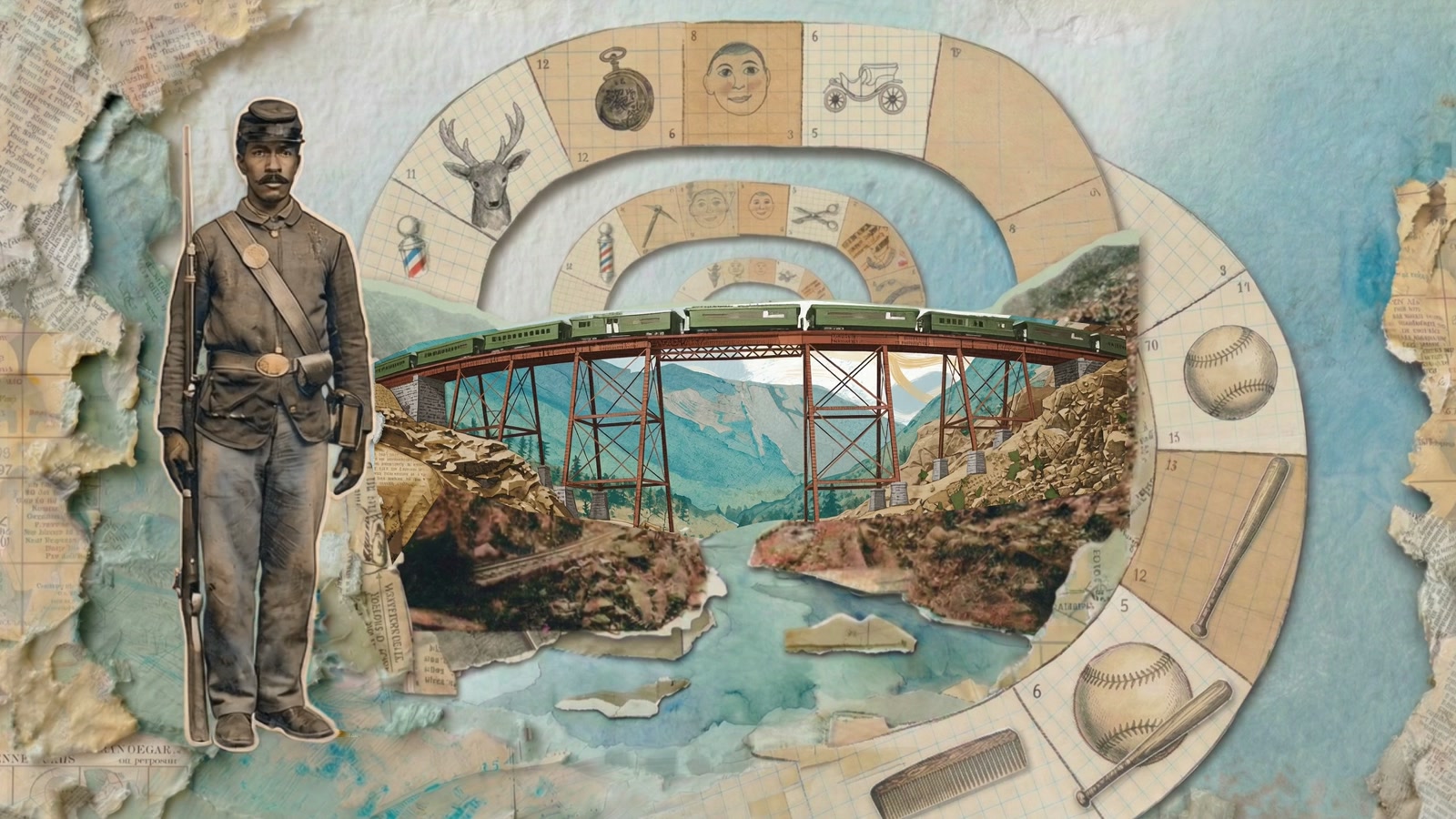
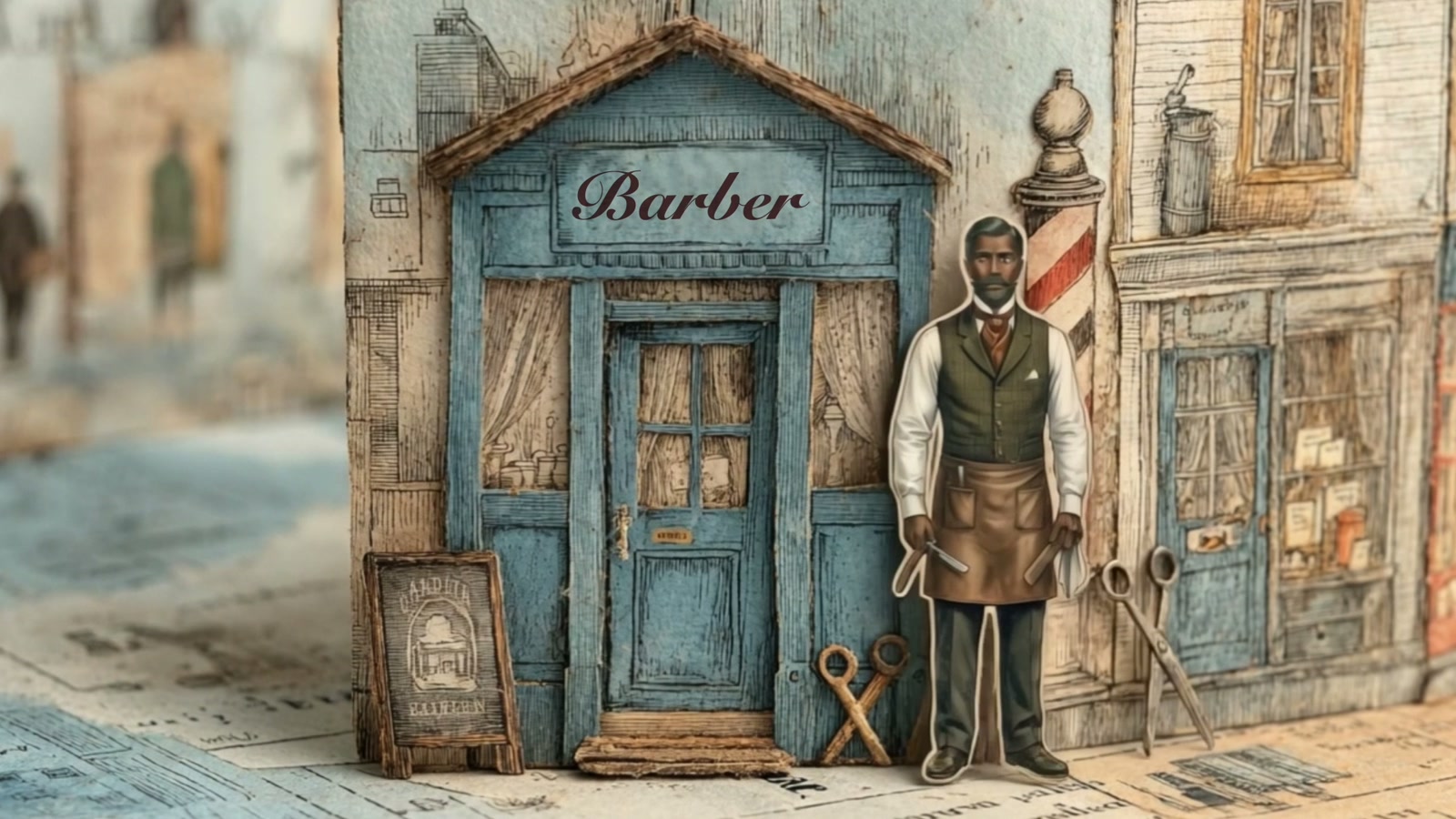
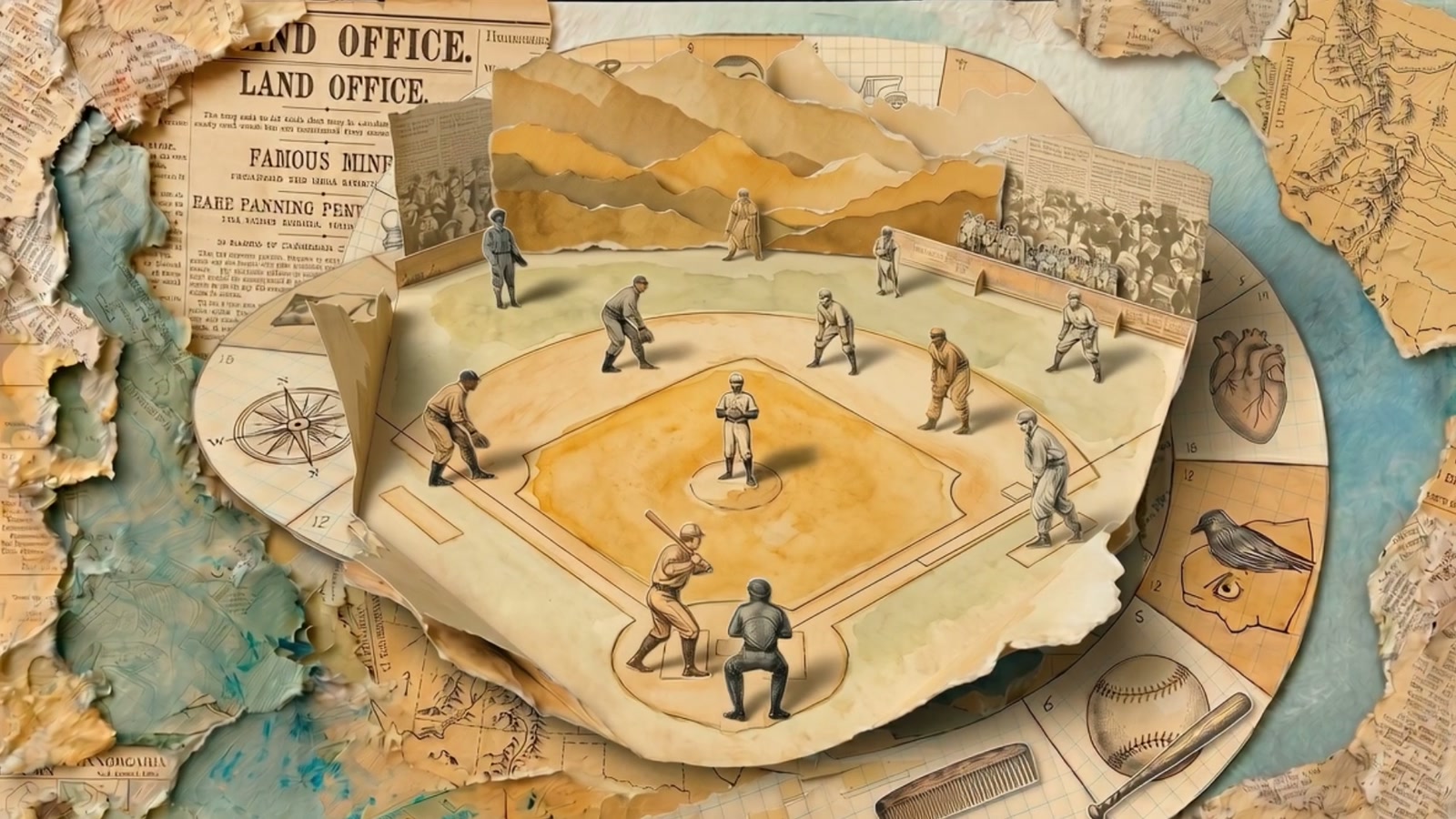
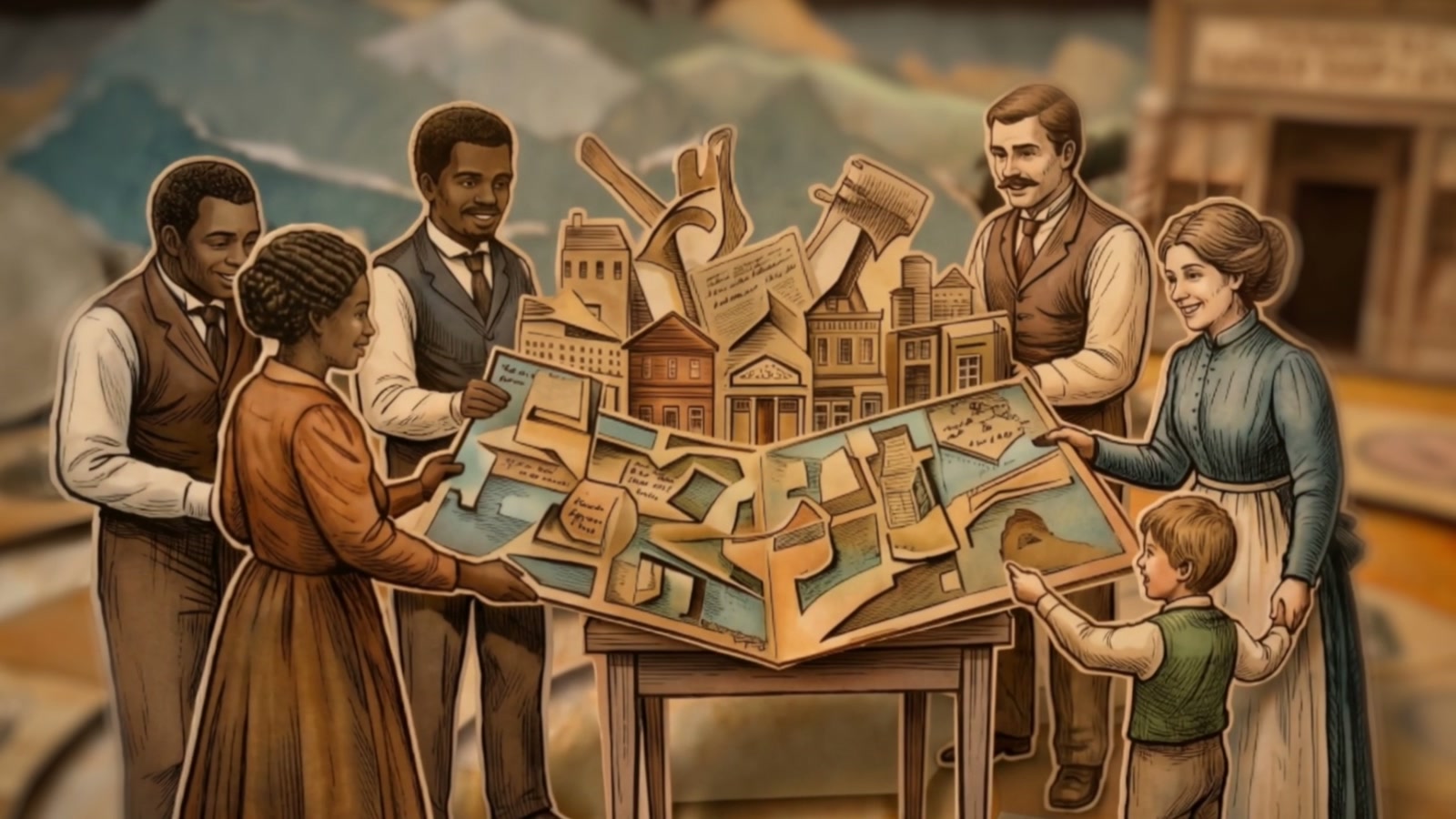
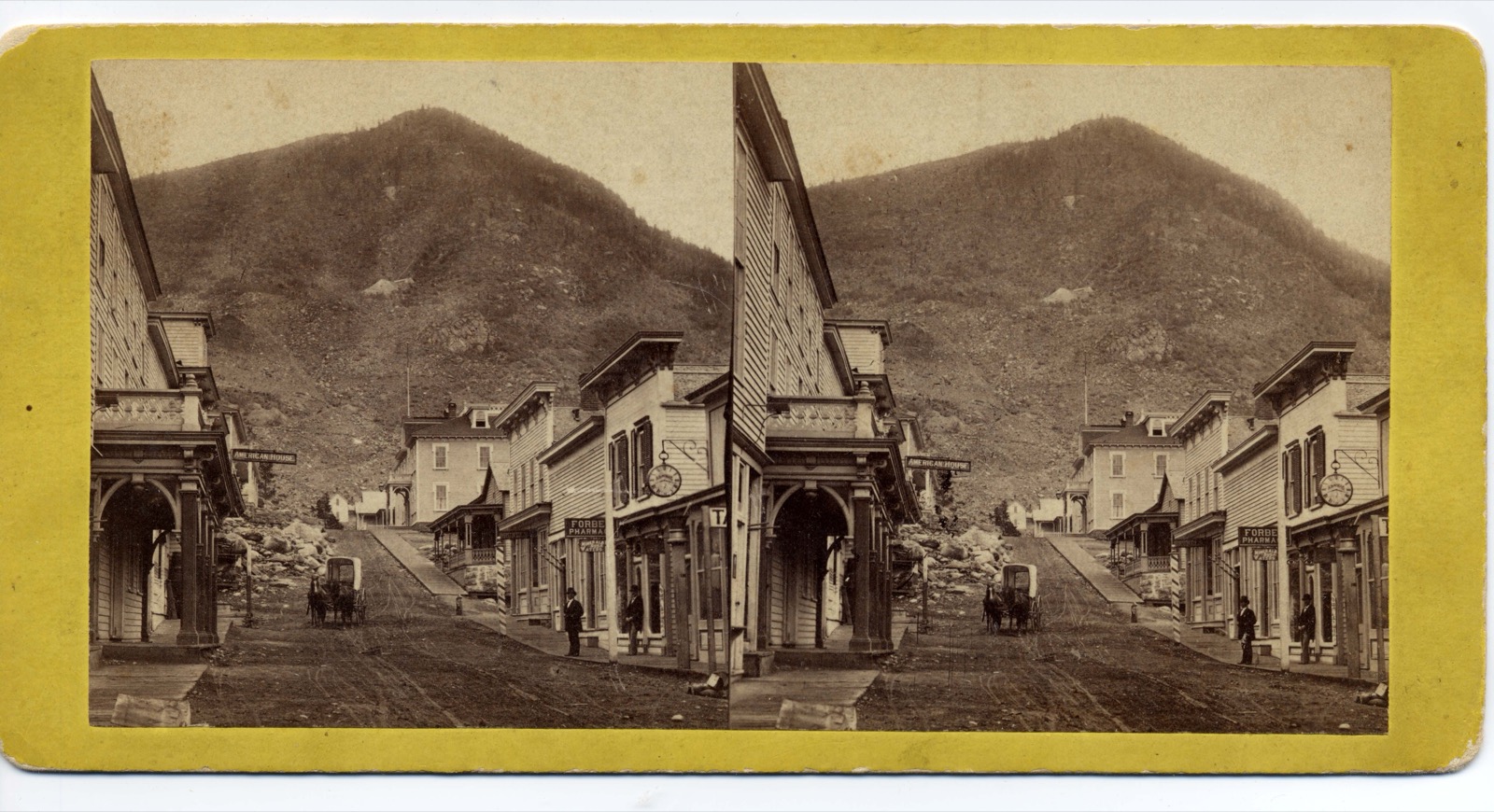
Morales makes a claim about nineteenth-century America that is genuinely radical. In Georgetown, Colorado, Black and white settlers went into business together and played on the same baseball team. Townsend ran a barbering business, invested in silver mining, and lived with a degree of social and political access that was unavailable to people of colour almost anywhere else in the country. The reason is not that the town was without prejudice. It is that in Georgetown, white residents directed that hostility elsewhere — at Chinese migrant labourers and at Native Americans. The town made room for him because it had chosen a different “other”.
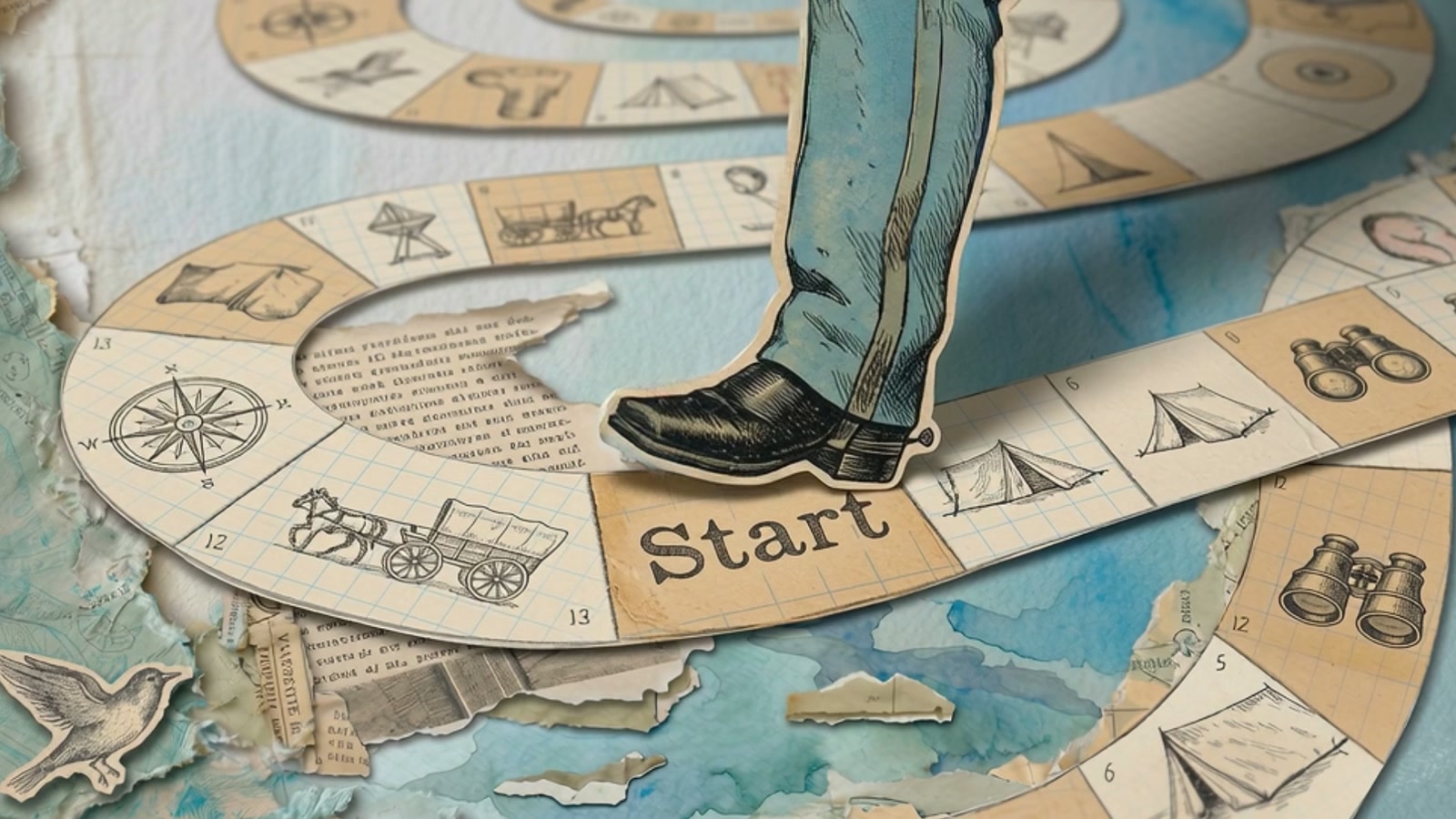
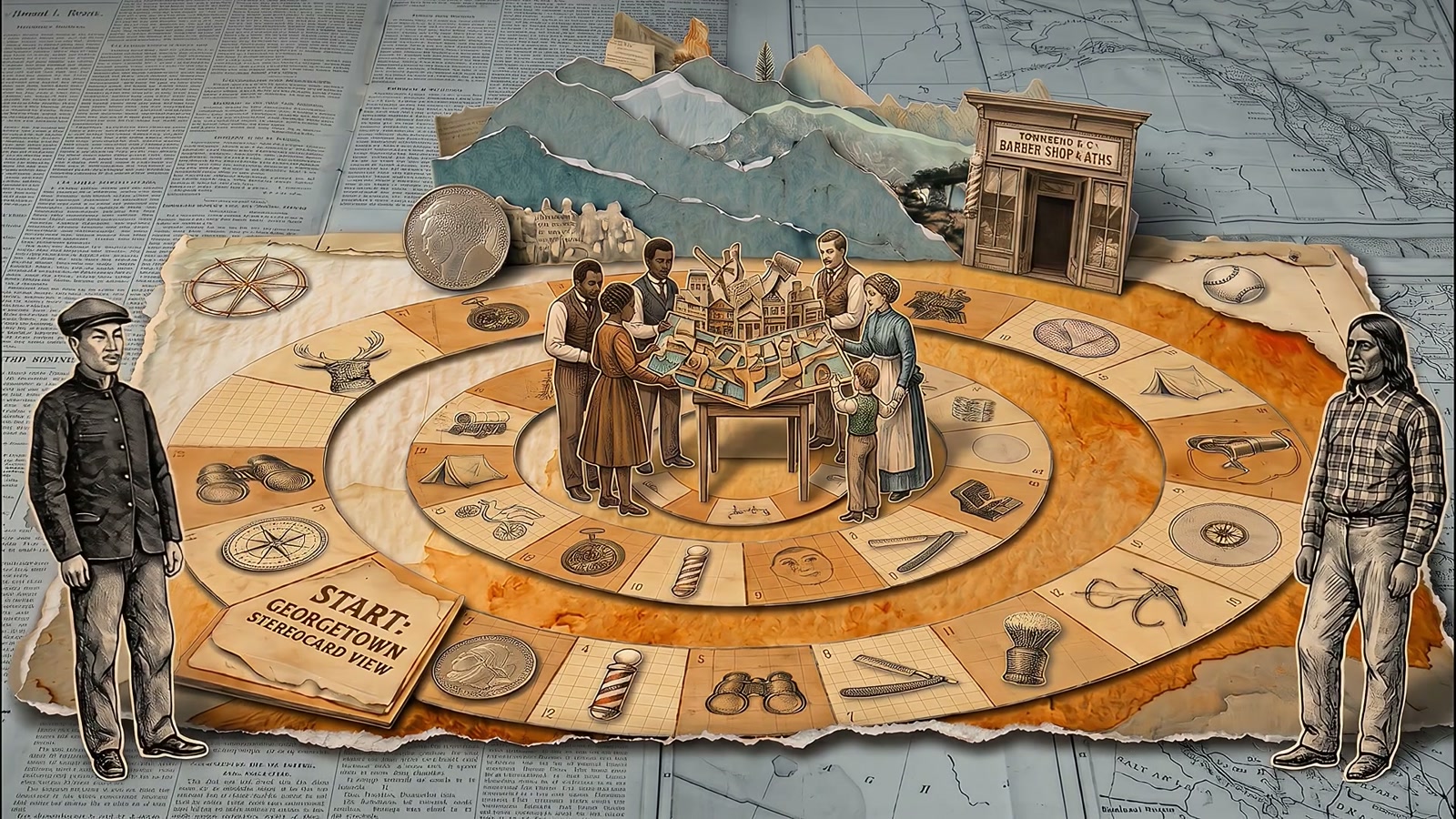
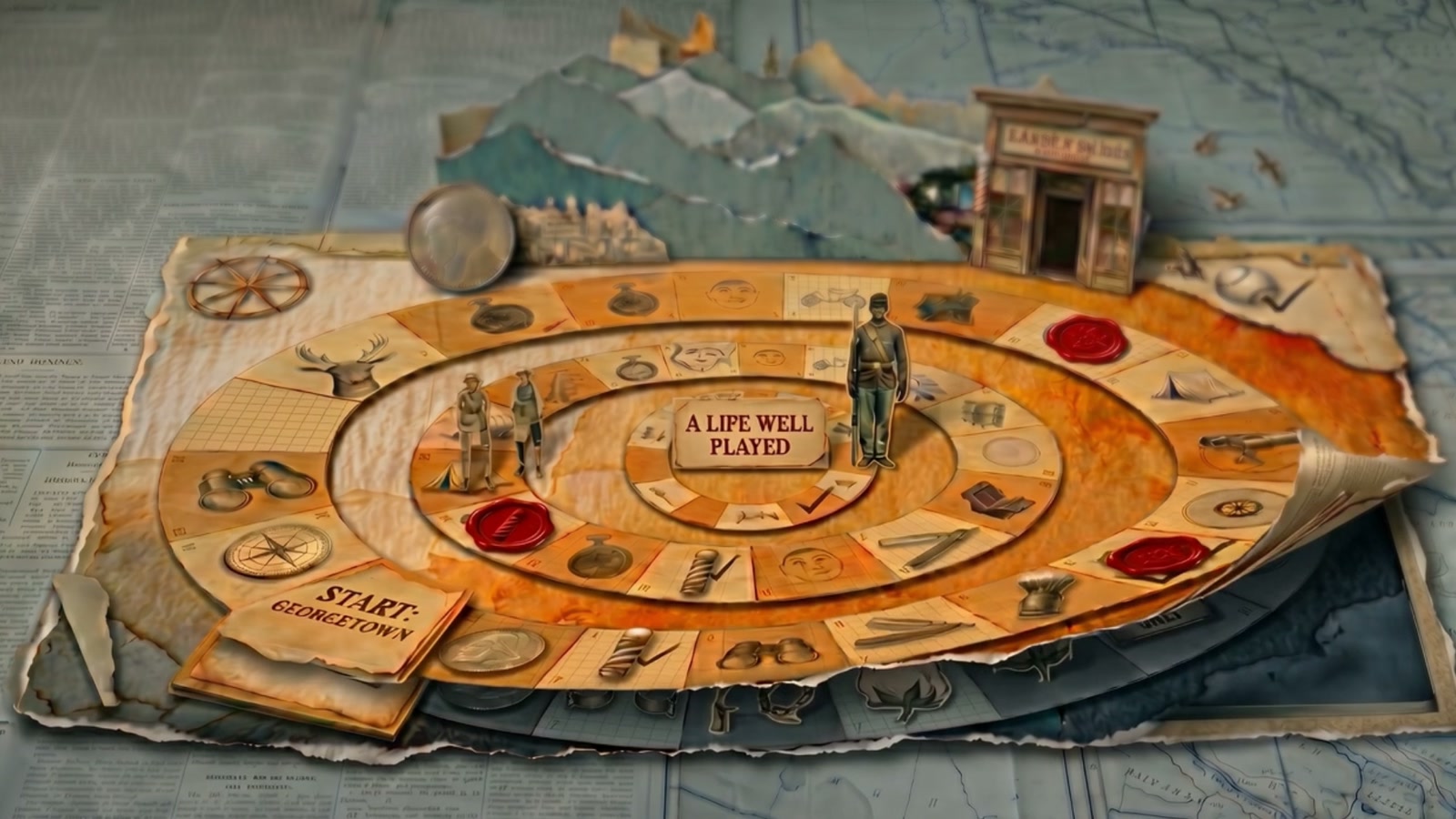
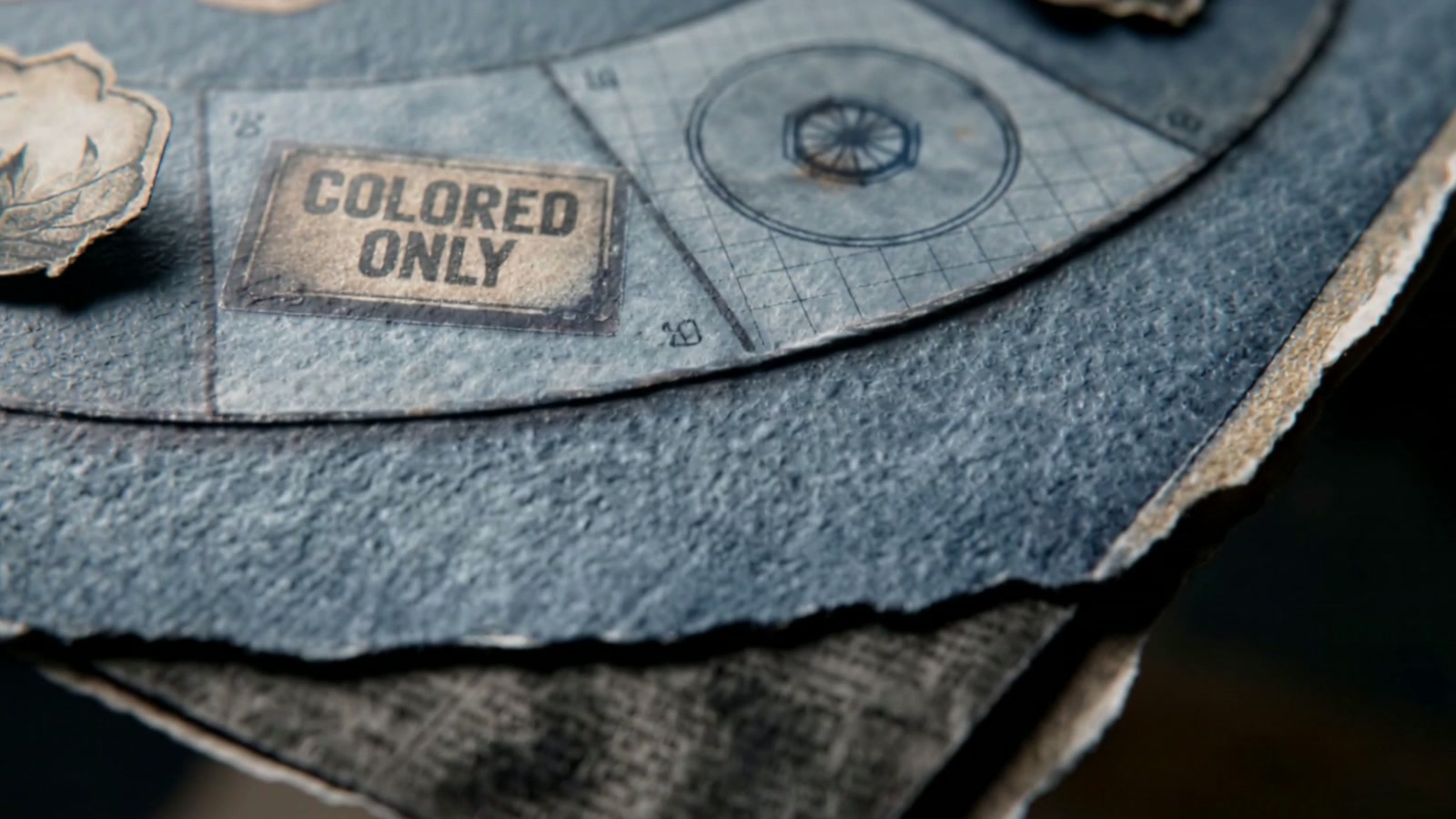
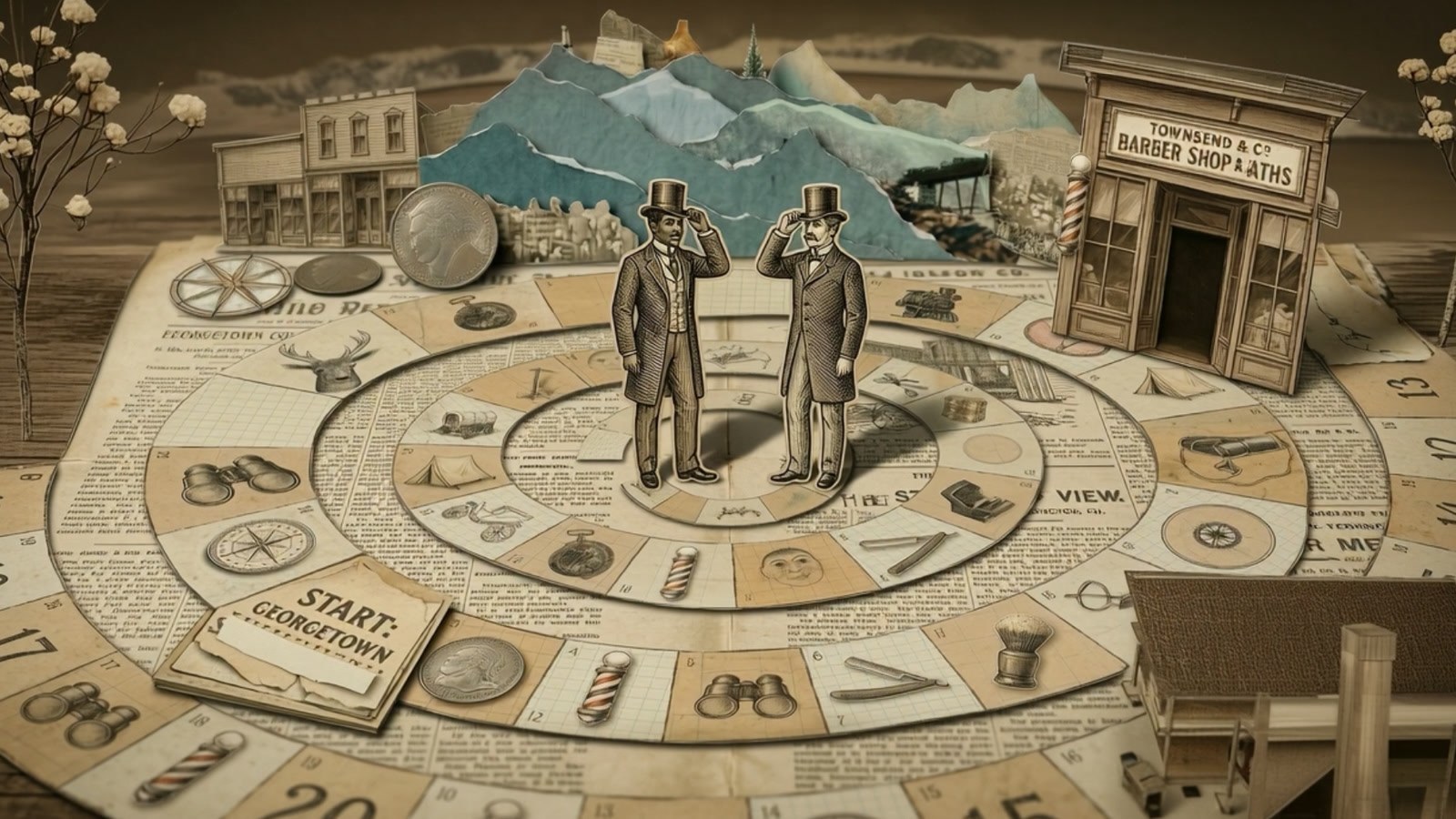
That is a hard argument to animate. It contradicts what we are used to hearing about the period in the United States, and it would be too easy to turn it upside down. So we decided to make the film a game, one game among many. Townsend’s life is one path around one board, a particular sequence of squares that could be landed on in that town, in those years. It is a small, singular universe, and a rare one. Other games were played at the time, more common ones. Most people who were not white in that era “played” by an entirely different set of rules, on a different board, and the film ends on that other board.
The Dan David films
Each year the Foundation chooses, with the laureate, the subject of the film they are honoured for, and we turn it into script, image and motion. The laureate sees it for the first time on the evening of the prize — on the big screen, in a room full of people who have come to honour them. Afterwards the films go out on social media, YouTube, Facebook, LinkedIn and more, and on the Foundation’s own site, beside the committee’s reasoning and the laureate’s interview, and some laureates carry them into their own classrooms, to show what it is they work on.