The subject
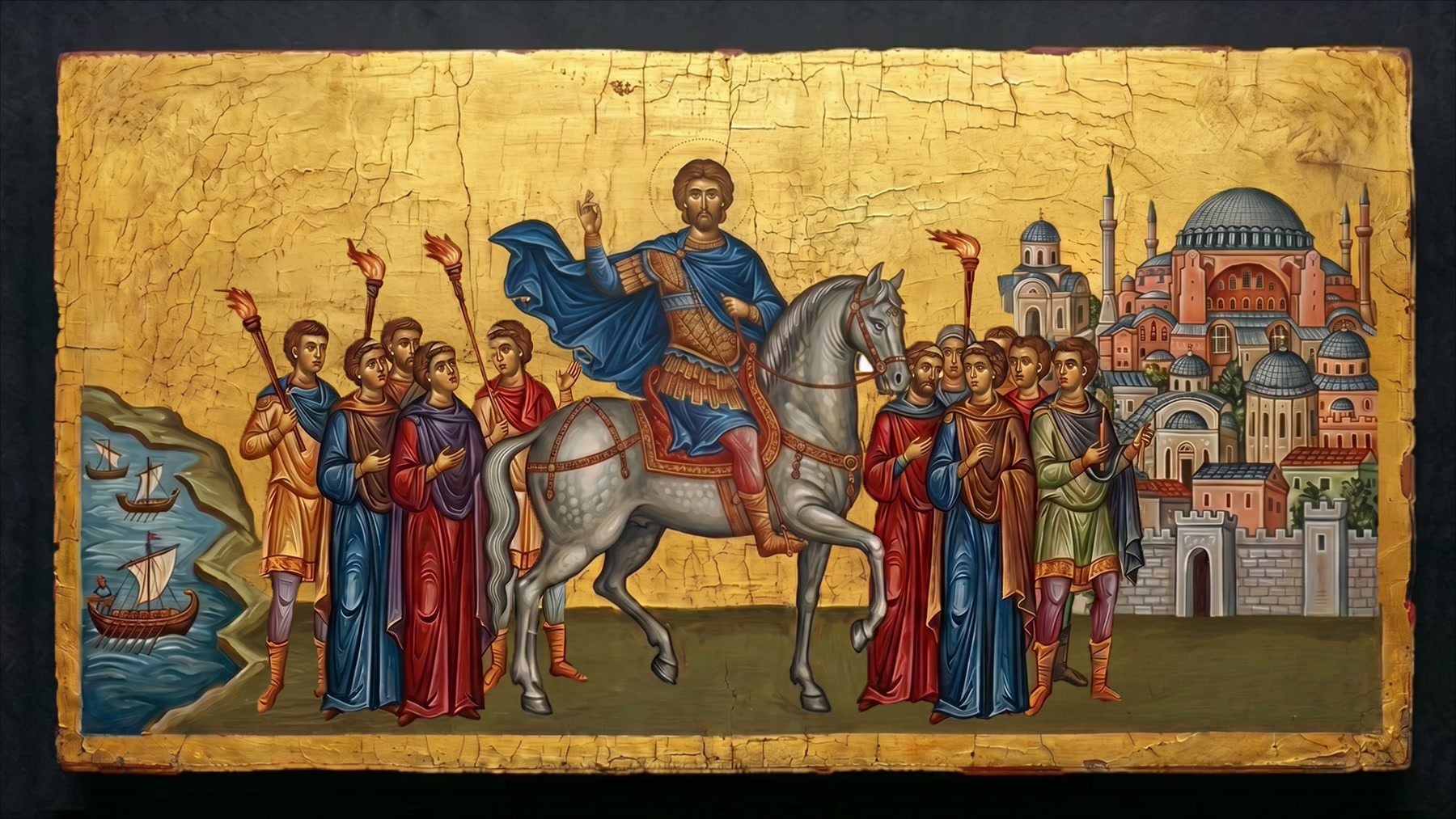
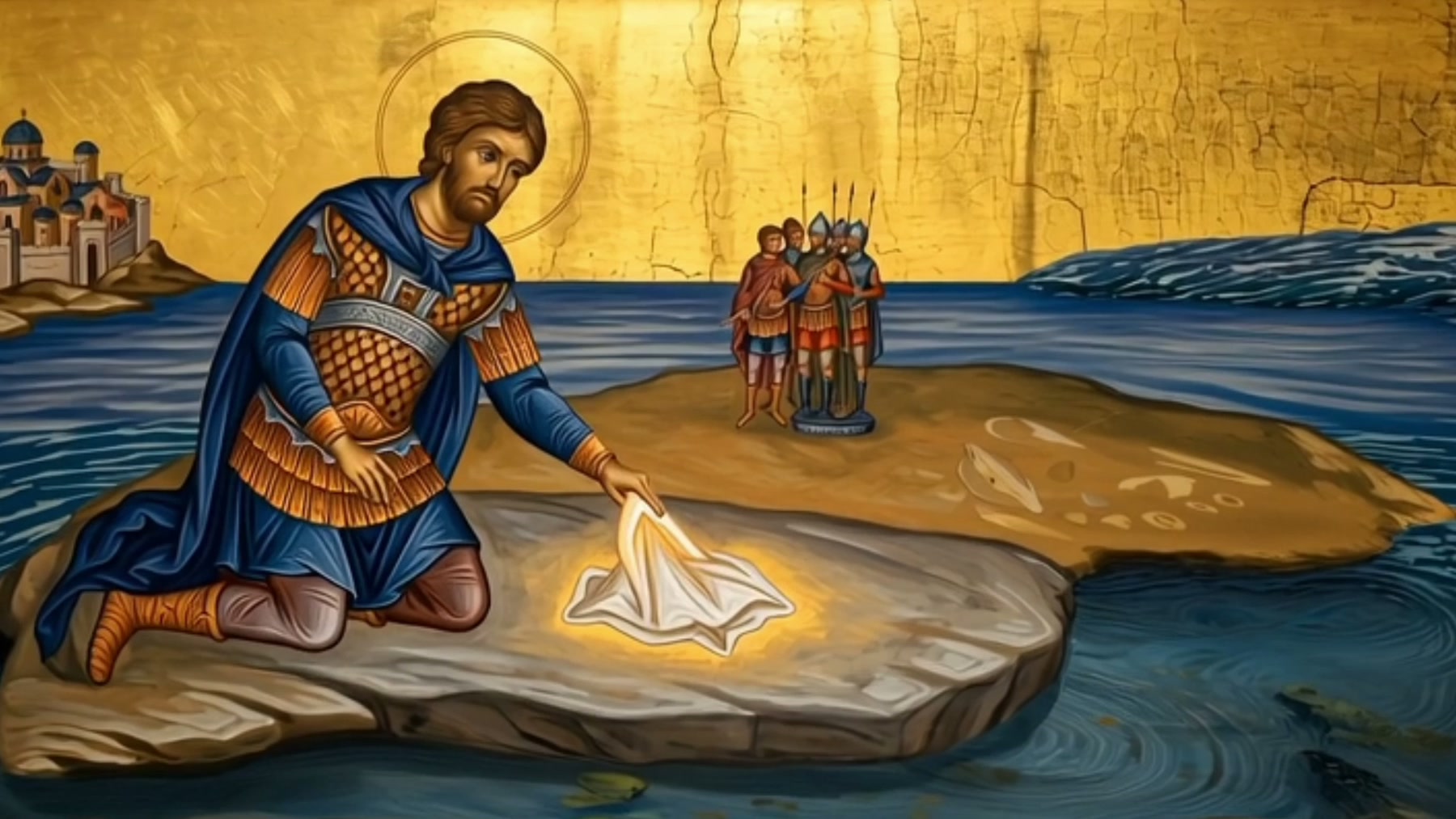
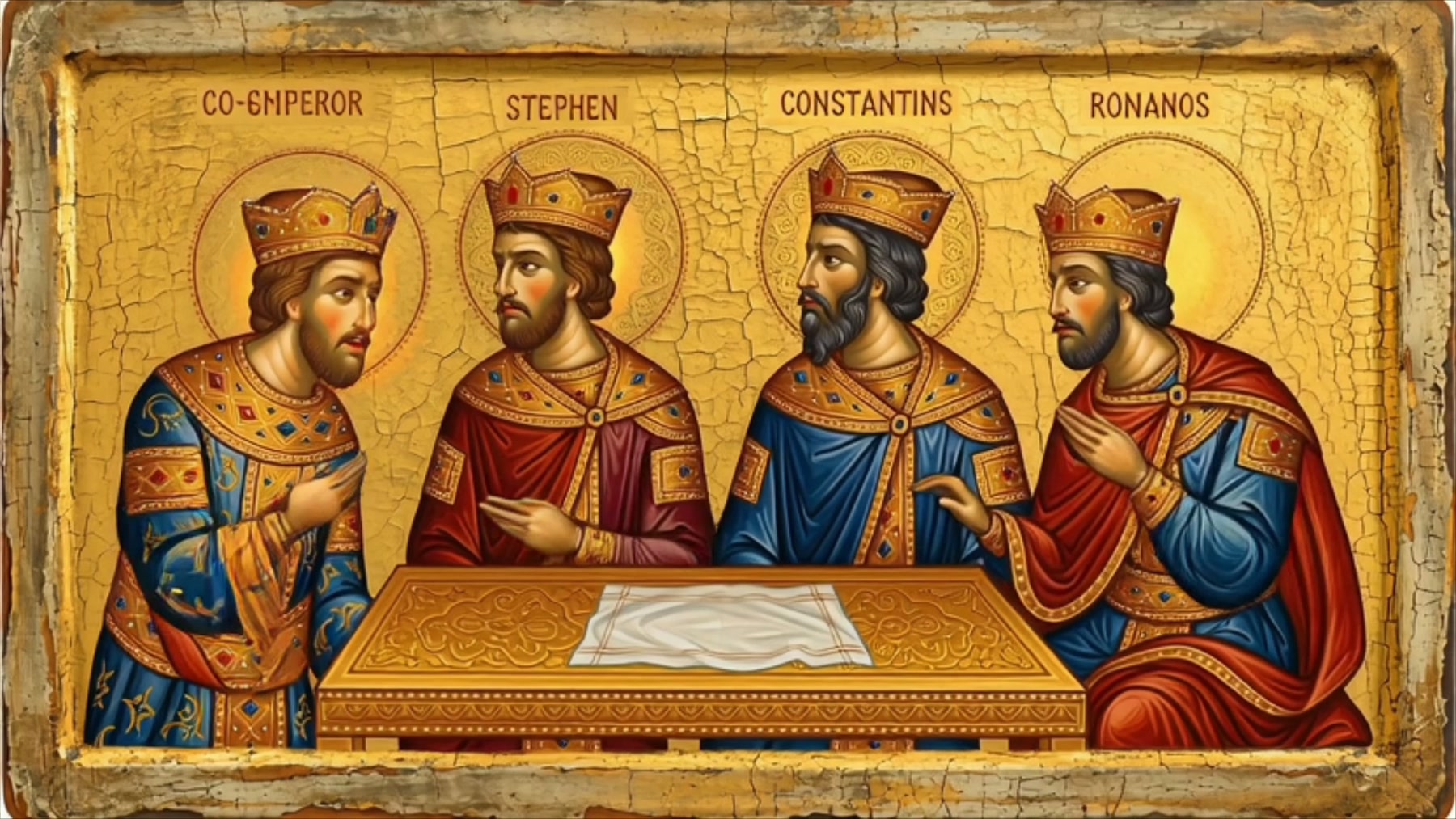
In 944 an imperial official named Theophanes rode from Constantinople to the Sagaros River to collect a mysterious object: the Mandylion, a cloth on which, tradition held, the face of Jesus had appeared without anyone painting it. Four men examined it: the Emperor, his two sons and his co-emperor. The sons saw almost nothing, only the vague outline of a face. The co-emperor saw the eyes of Jesus, and his ears.
Betancourt uses that disagreement over what is seen to open a much longer history: what people mean when they say an image was made “not by human hands”. It sounds medieval and remote. It is not. By the early twentieth century, factories were advertising bread and pistons as untouched by human hands, and the phrase had become a promise rather than a miracle. And it is with us again now, in the way we talk about images produced by systems we cannot see into.
The vanishing hand
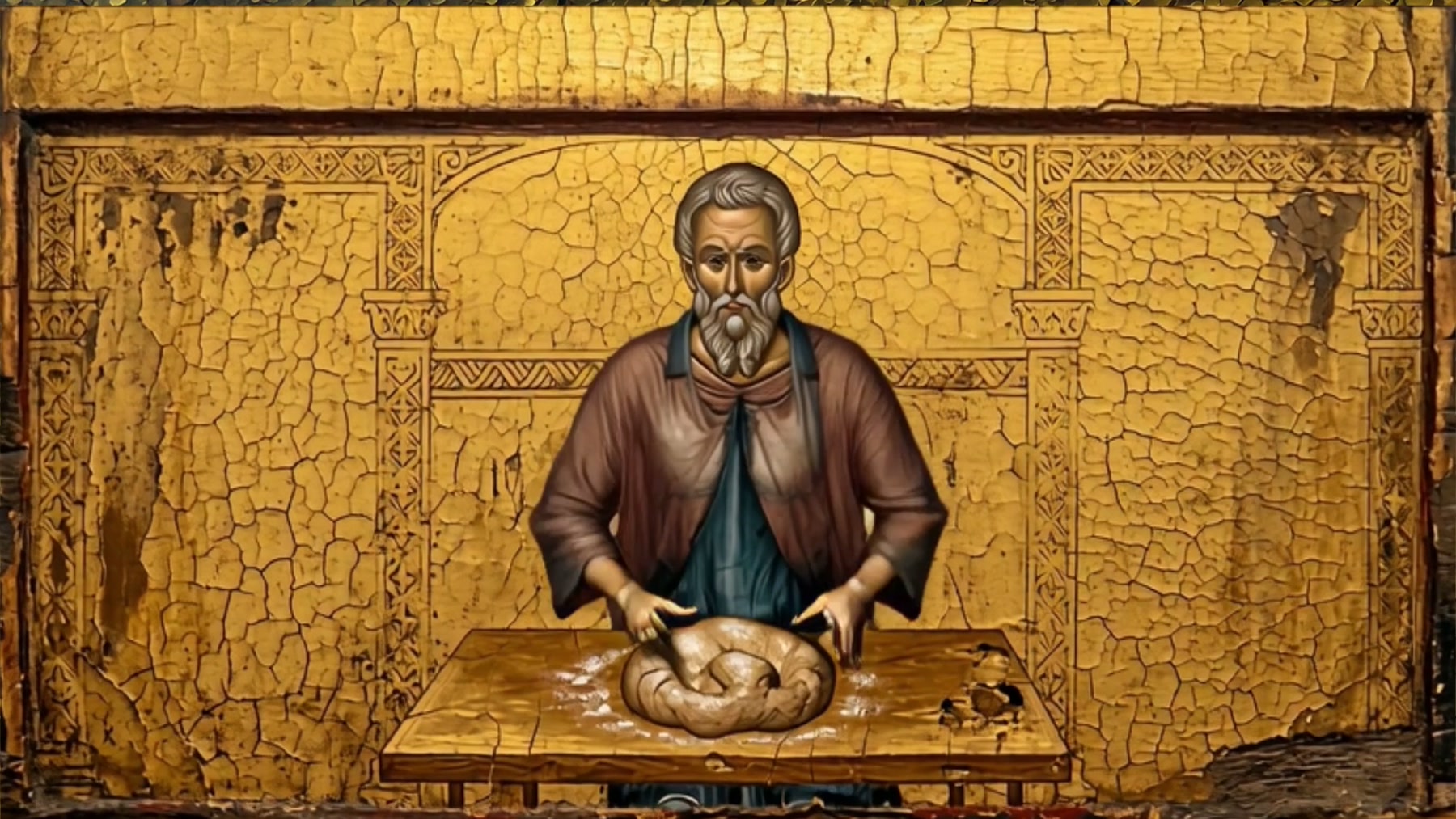
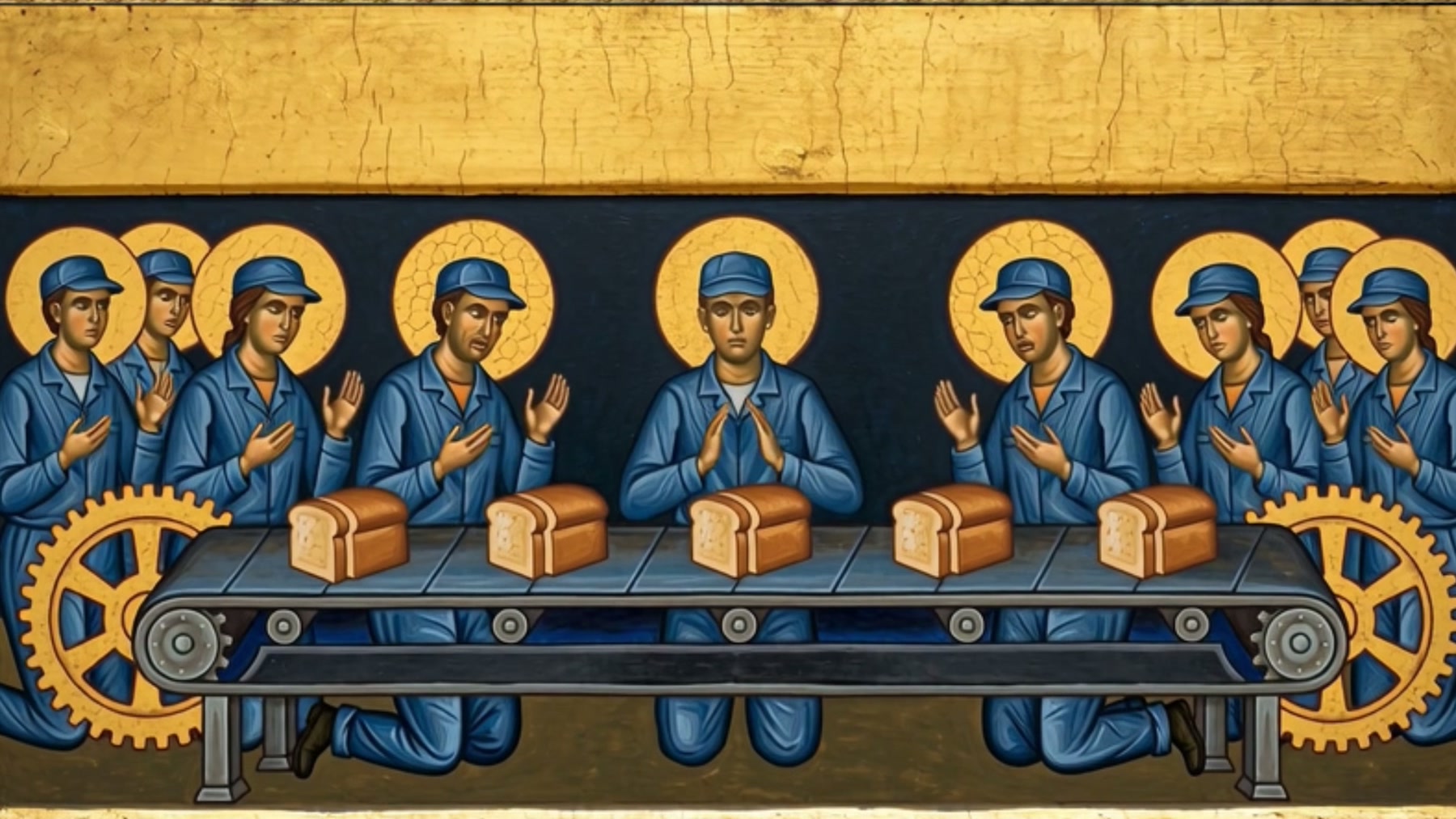
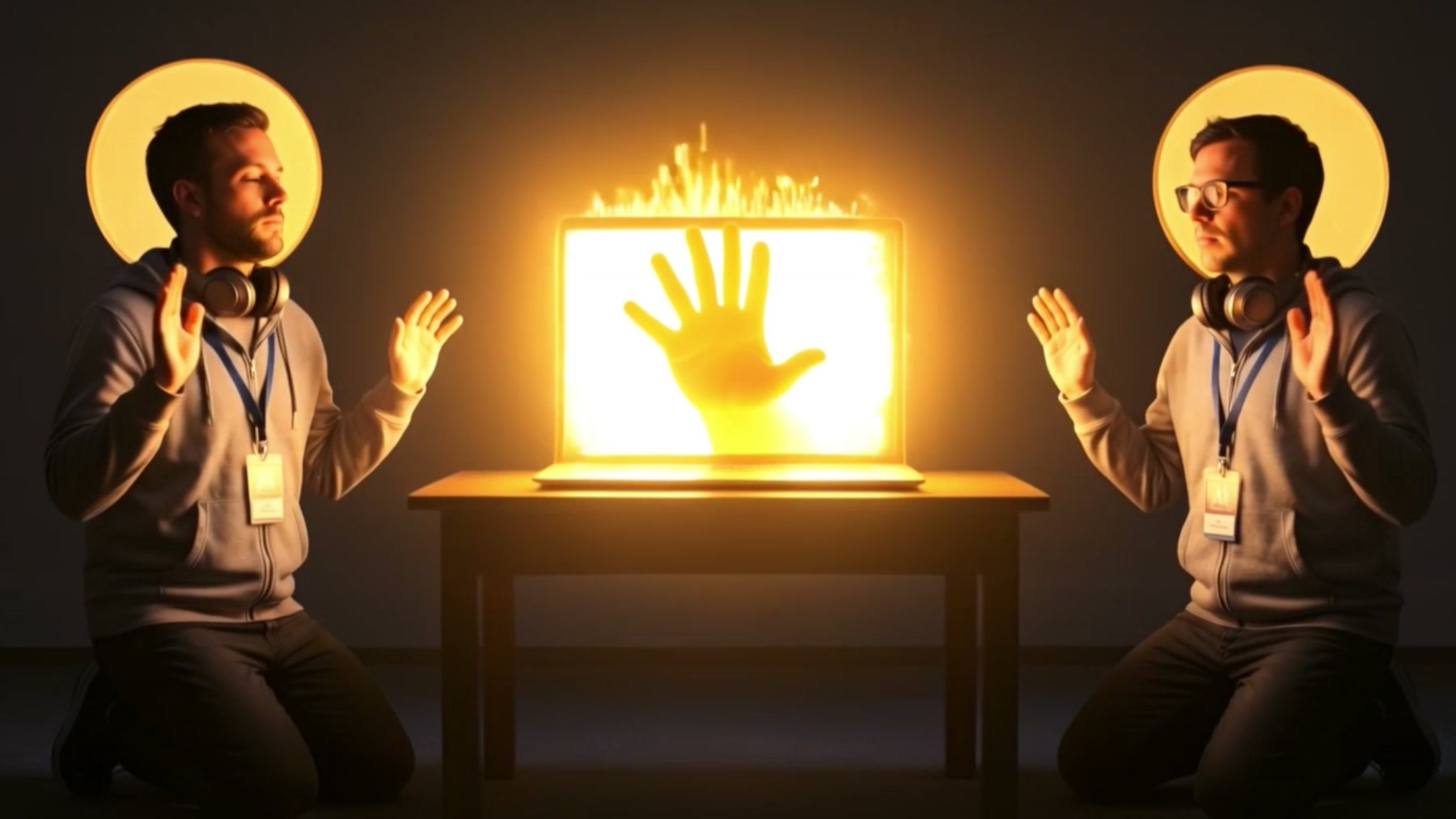
The film is built on one repeating gesture. In each era a hand reaches in to make something — and then fades out of the frame while the work continues without it. The painter’s hand on the panel. The emperor’s son’s hand above the cloth. The baker’s hands mid-knead. The factory worker’s gloved hand above the belt. The designer’s hand at the prompt field.
Everything is painted after Byzantine icons, in oxblood and blue on cracked gold leaf, the twentieth-century factory and the laptop included. The film does not claim that these things resemble each other. It claims that each time, exactly the same claim is made again.
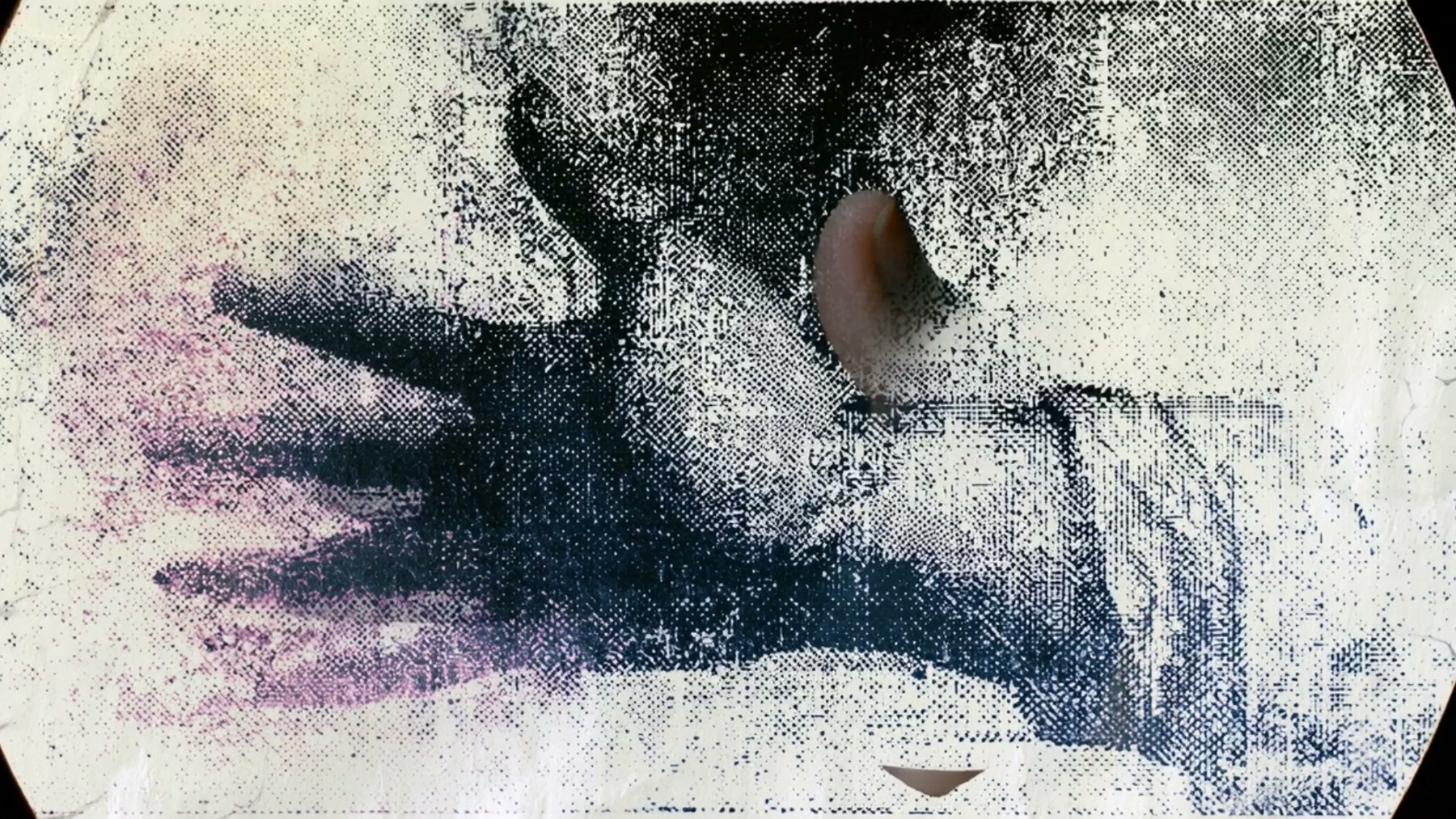
The copied hand is also an argument from art history. The copy of a copy — the image that loses something every time it is reproduced, from Warhol’s silkscreens to a page run through the photocopier again — is how the discipline has long asked what is lost, and what is made, when no hand touches the work. That is what the photocopy sequence is doing. It takes the century of the conveyor belt, where untouched by human hands was a boast, and plays it as a stop-motion made with photocopies, so that the degrading image is the argument, frame by frame.
About the laureate
Roland Betancourt is a historian of Byzantine art and its afterlives in contemporary culture. The Dan David Prize selection committee described him as “a highly creative cultural thinker whose expansive research offers unique perspectives on the Byzantine empire as much as on Disney parks and the modern world, and whose work has reshaped the discipline of art history.”
The Dan David films
Each year the Foundation chooses, with the laureate, the subject of the film they are honoured for, and we turn it into script, image and motion. The laureate sees it for the first time on the evening of the prize — on the big screen, in a room full of people who have come to honour them. Afterwards the films go out on social media, YouTube, Facebook, LinkedIn and more, and on the Foundation’s own site, beside the committee’s reasoning and the laureate’s interview, and some laureates carry them into their own classrooms, to show what it is they work on.