Yad Vashem · Our Story · 2020
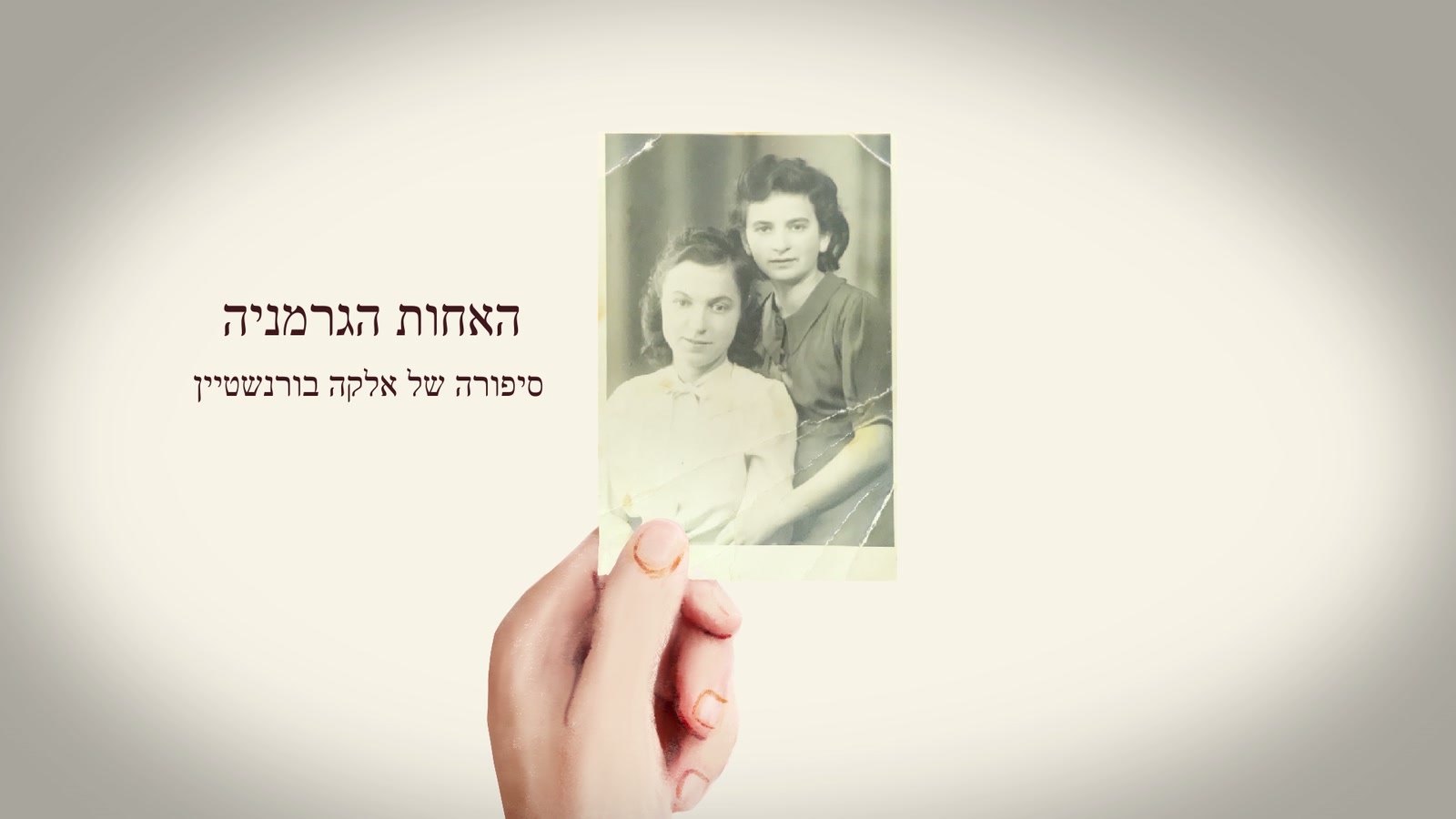
The German Nurse
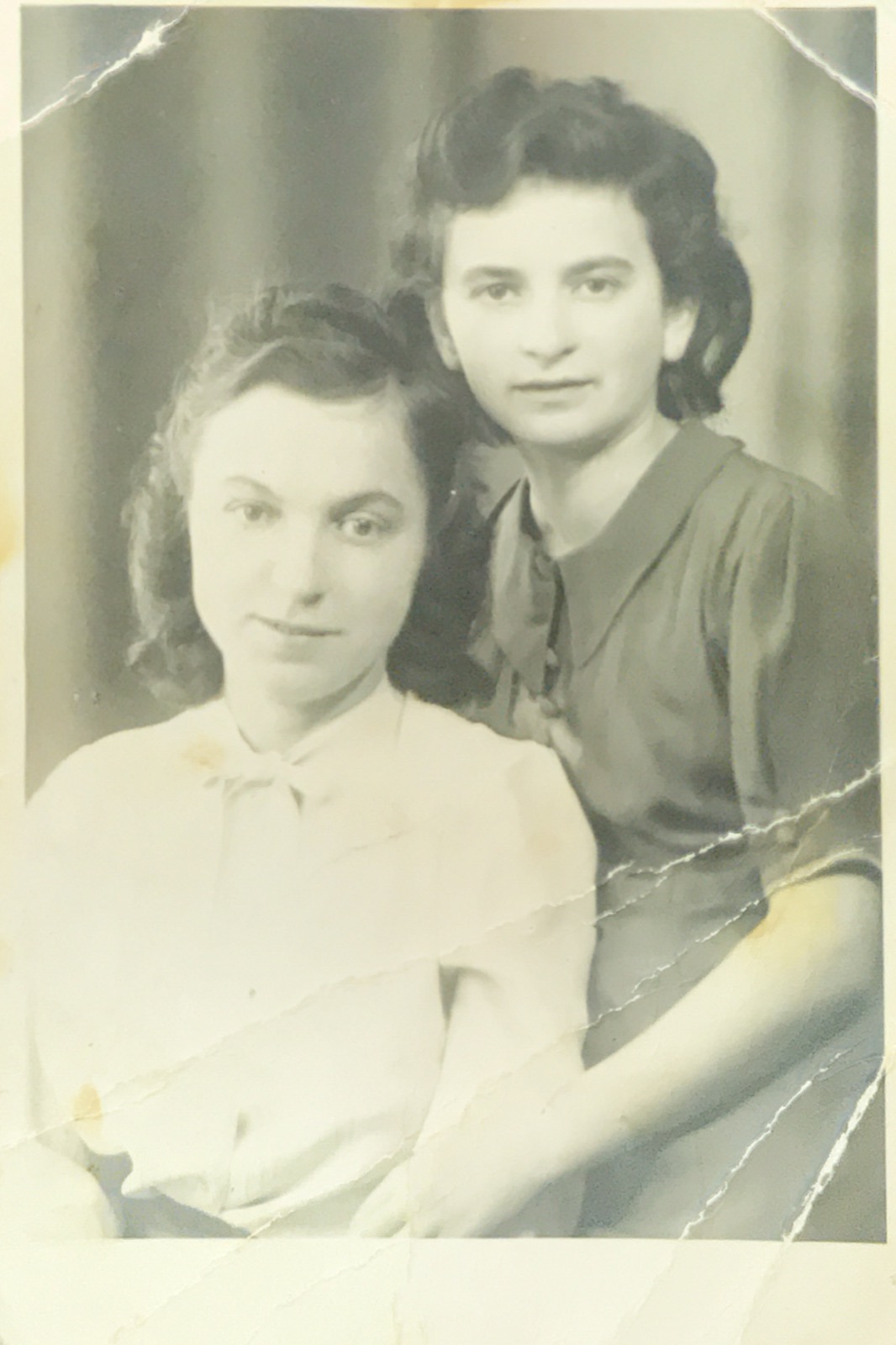
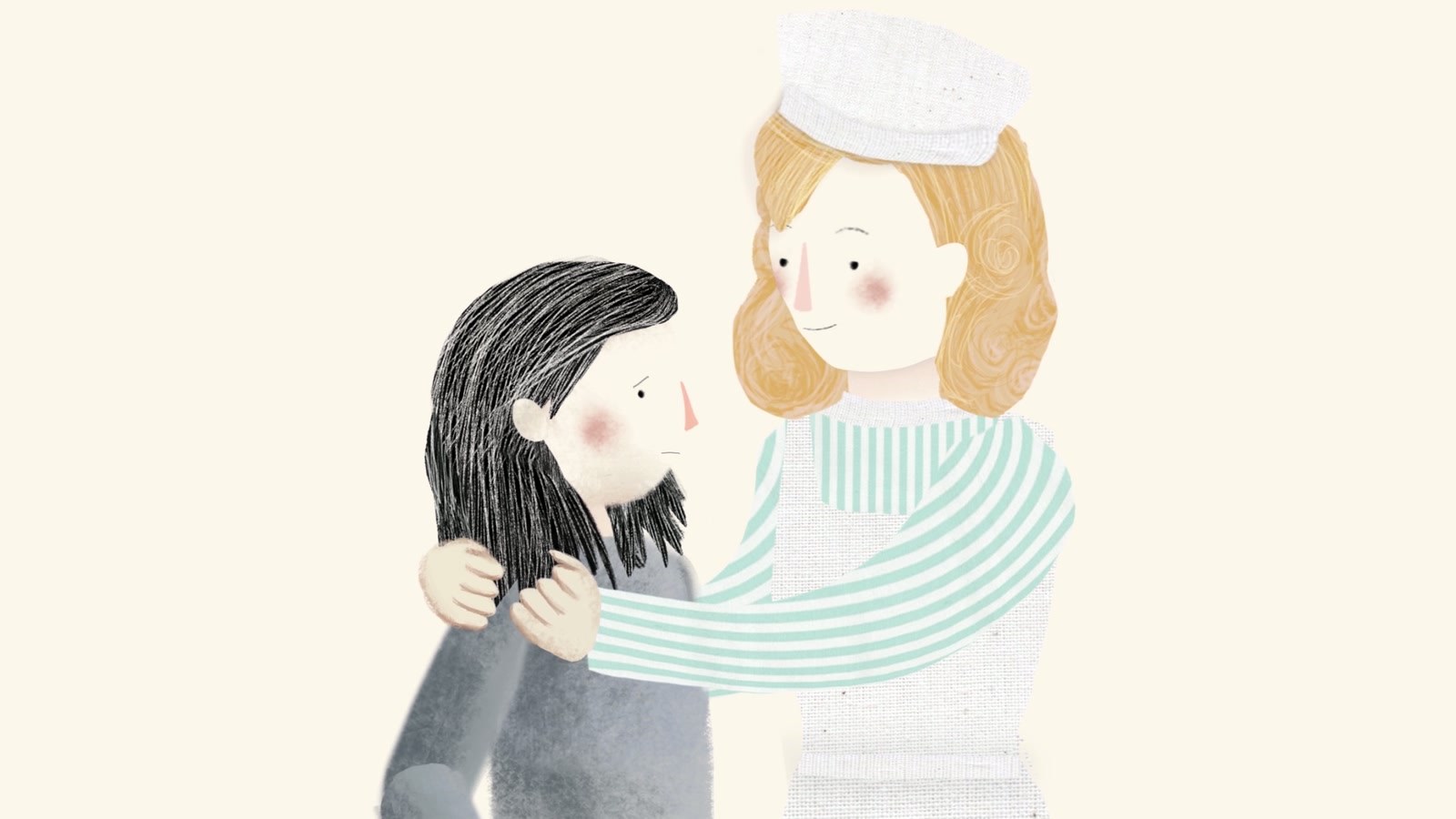
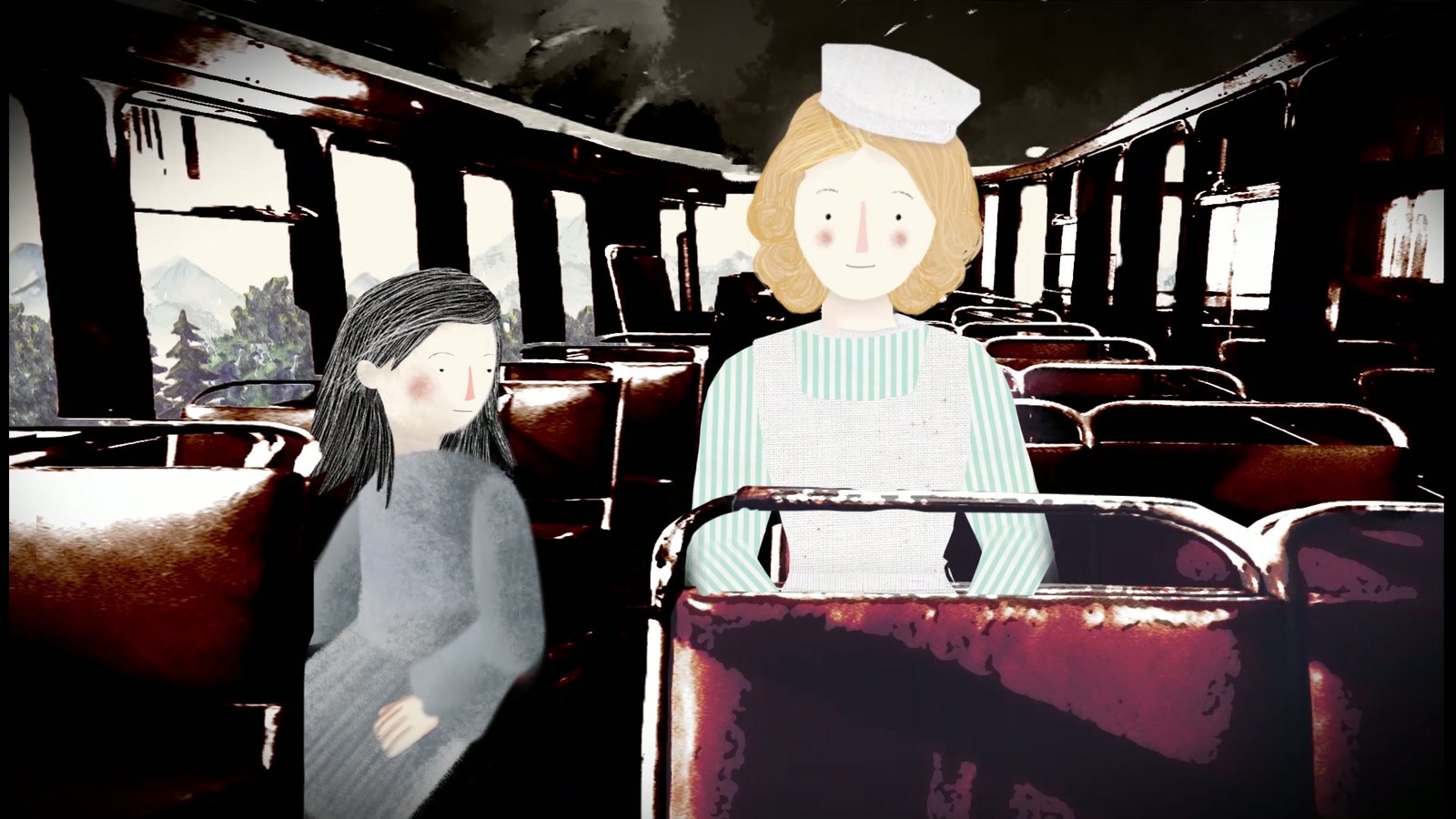
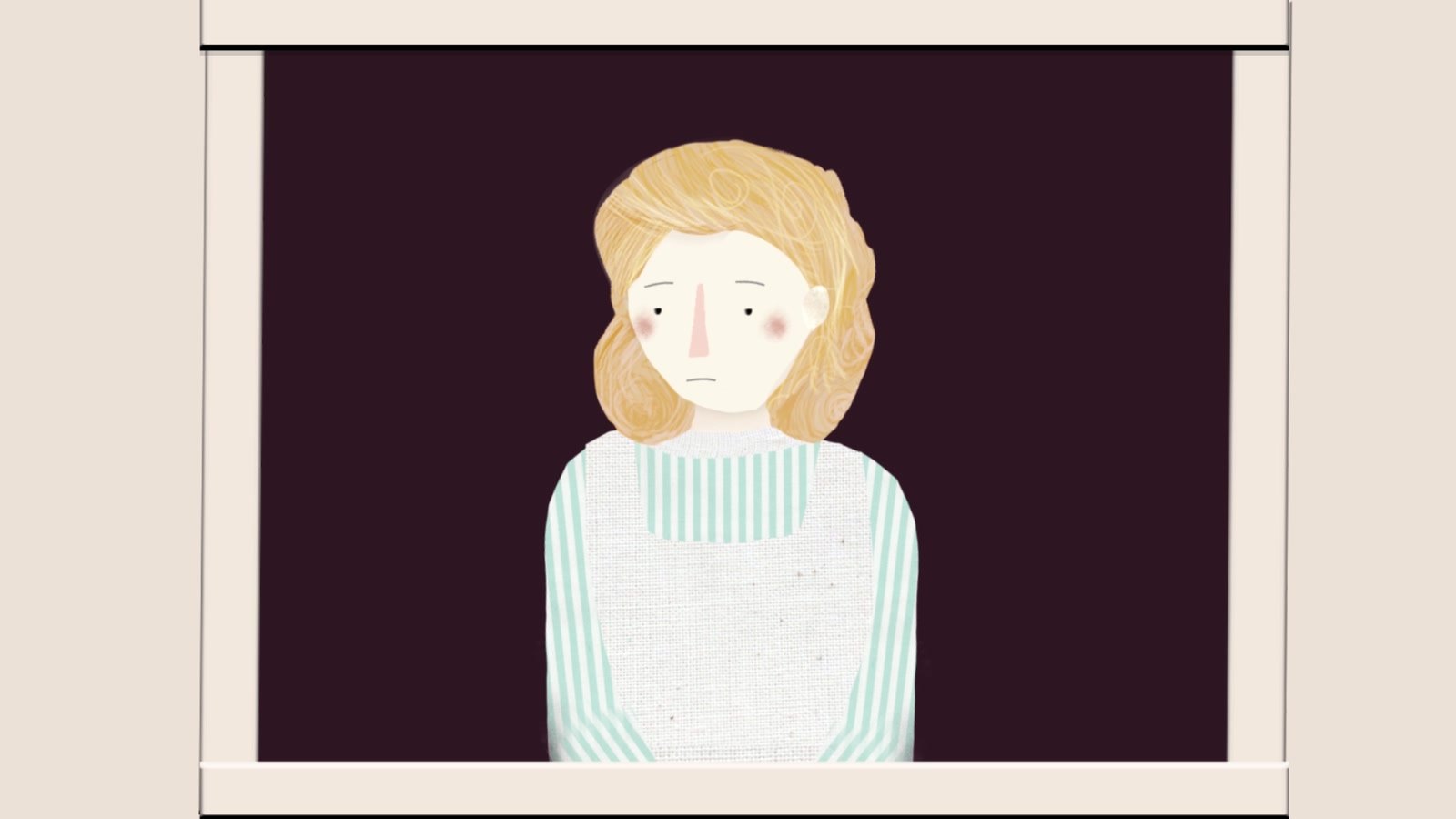
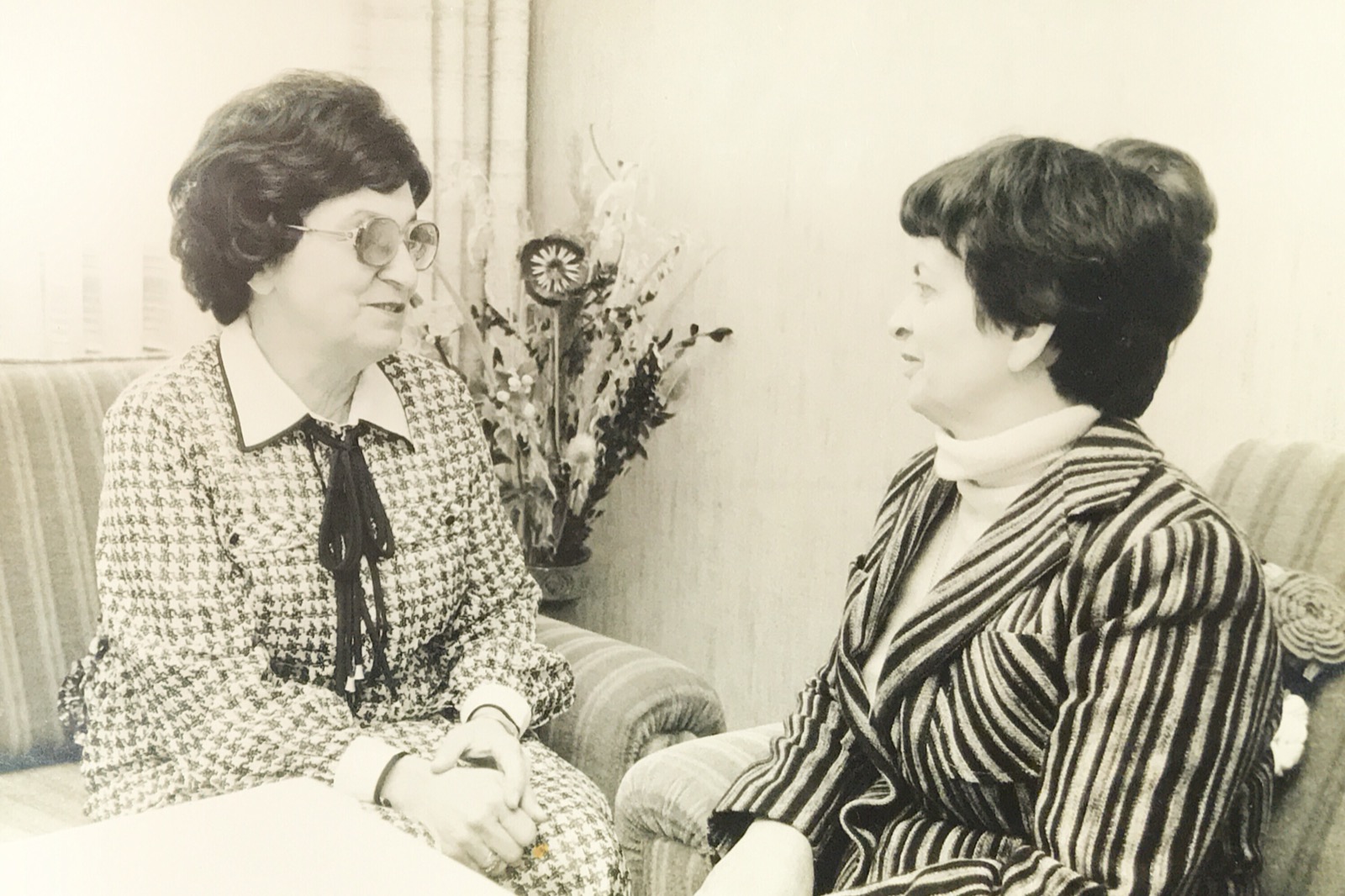
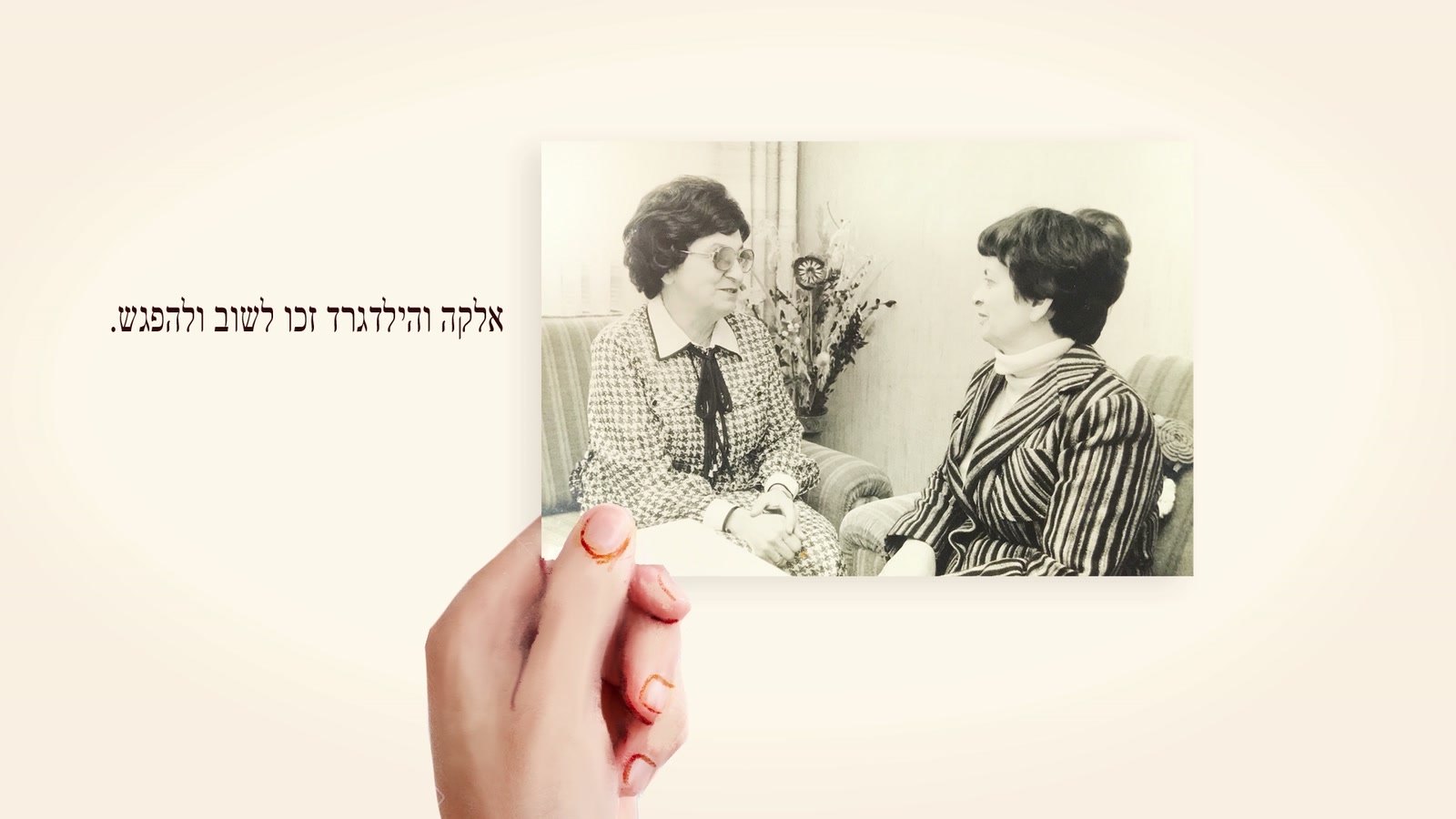
Elka Burnstein survived the war, she says, because everywhere, even in the worst places, people were kind to her. The kindest was a German nurse she met in a refugee camp in Germany, Hildegard Neugebauer.
- Client
- Yad Vashem, the World Holocaust Remembrance Center
- Project
- Our Story, twelve films by six filmmakers
- Direction, art direction & screenplay
- Daniella Koffler
- Music & sound
- Eitan Shefer
- Archive film
- Filmarchiv Austria
- Runtime
- 5:07 · English subtitles
Elka Burnstein
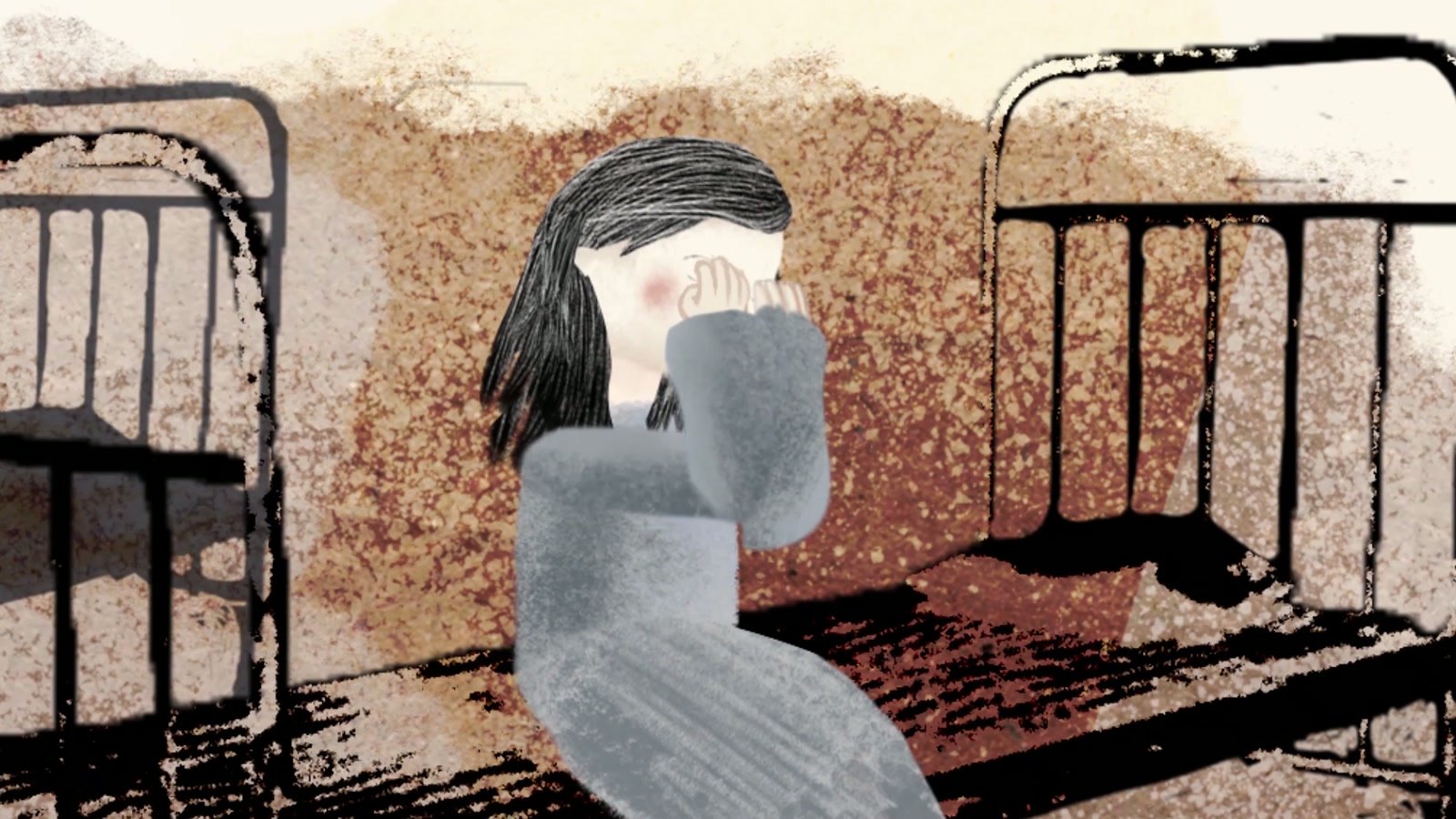
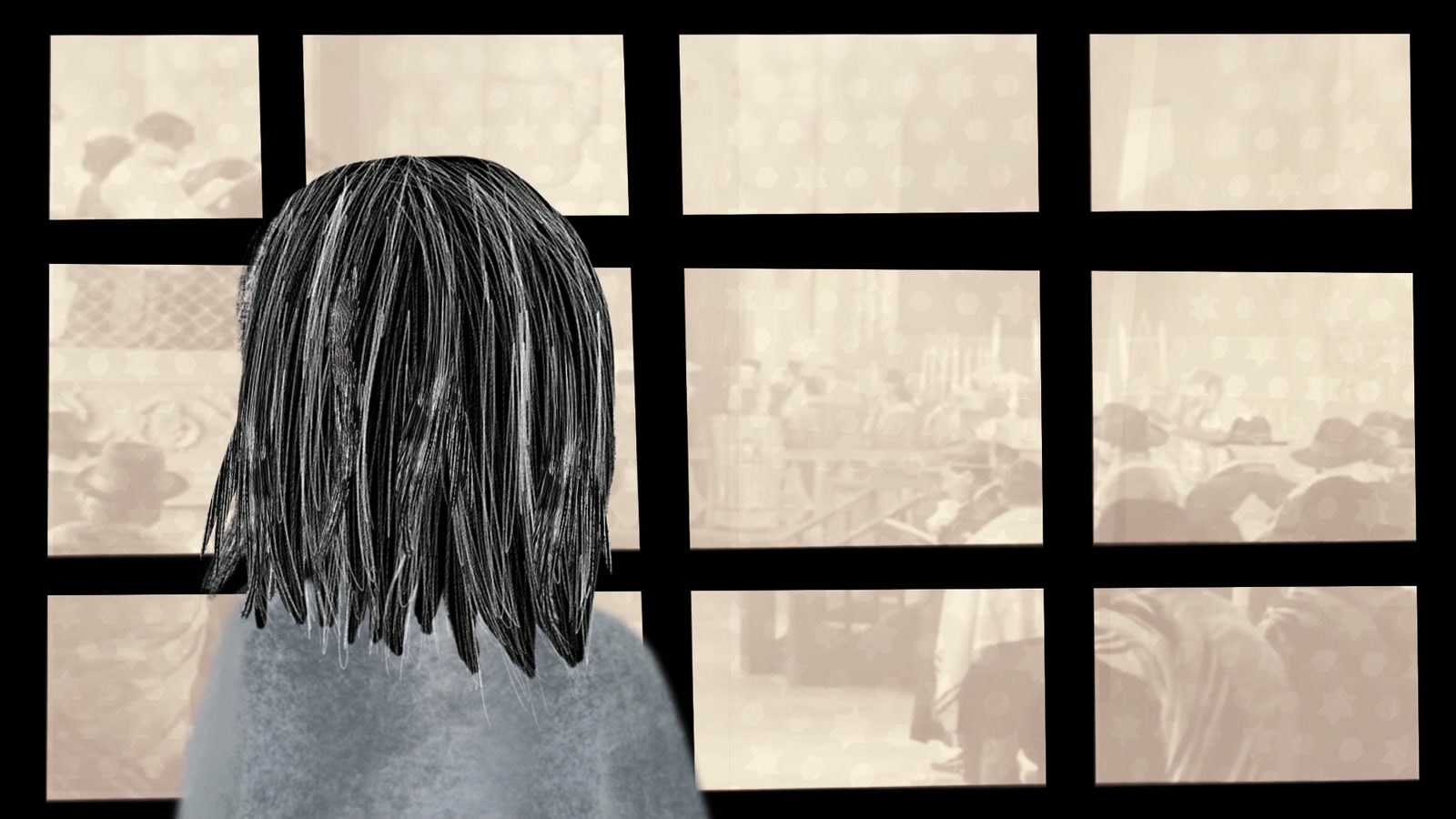
Elka was already an orphan when she arrived in Auschwitz. She did forced labour at a German camp called Hochweiler and marched in the death marches. In 1944, in a displaced persons camp in Germany, she woke one morning to find that everyone had been taken away in the night. Then she saw Hildegard.
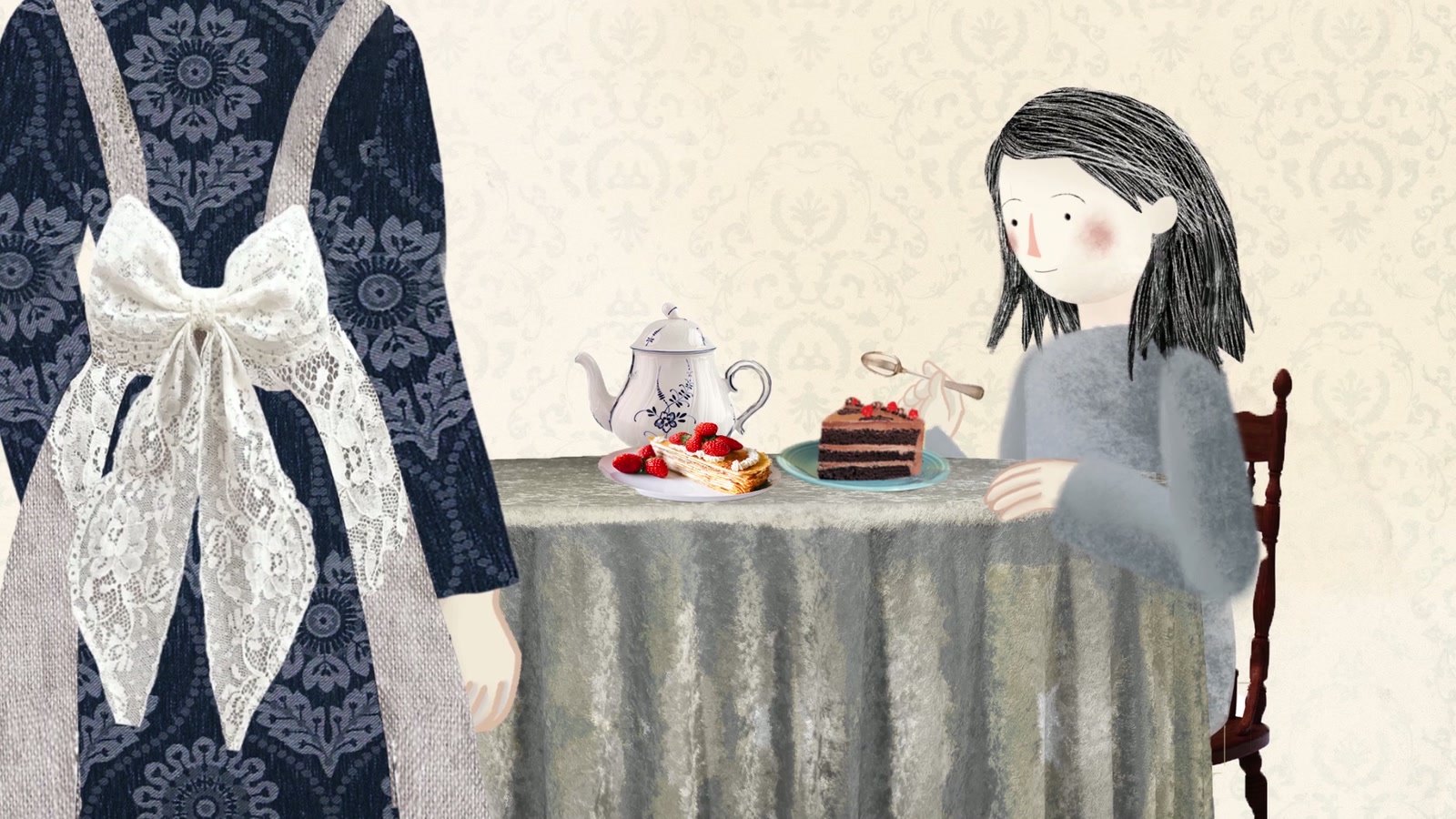
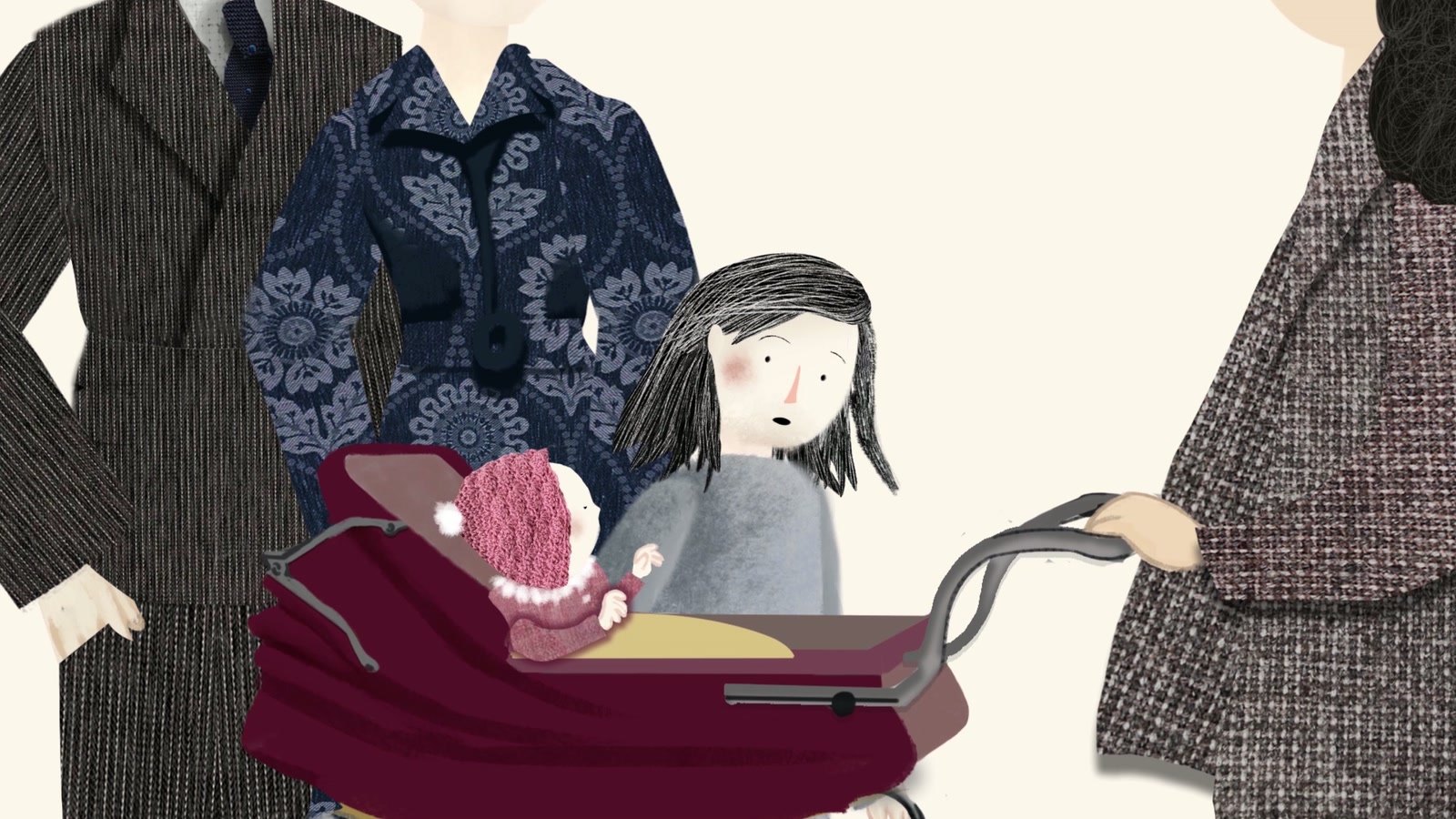
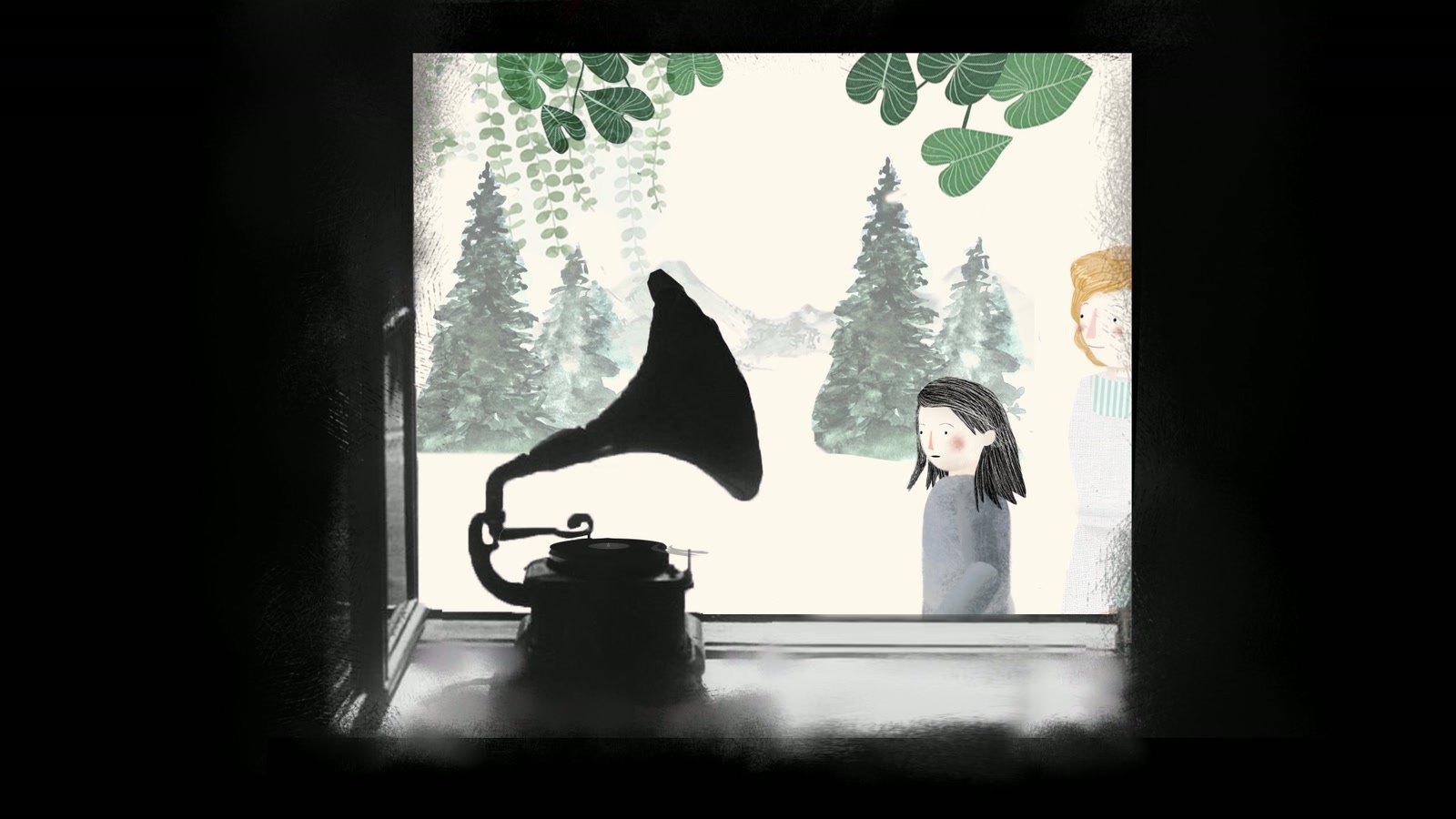
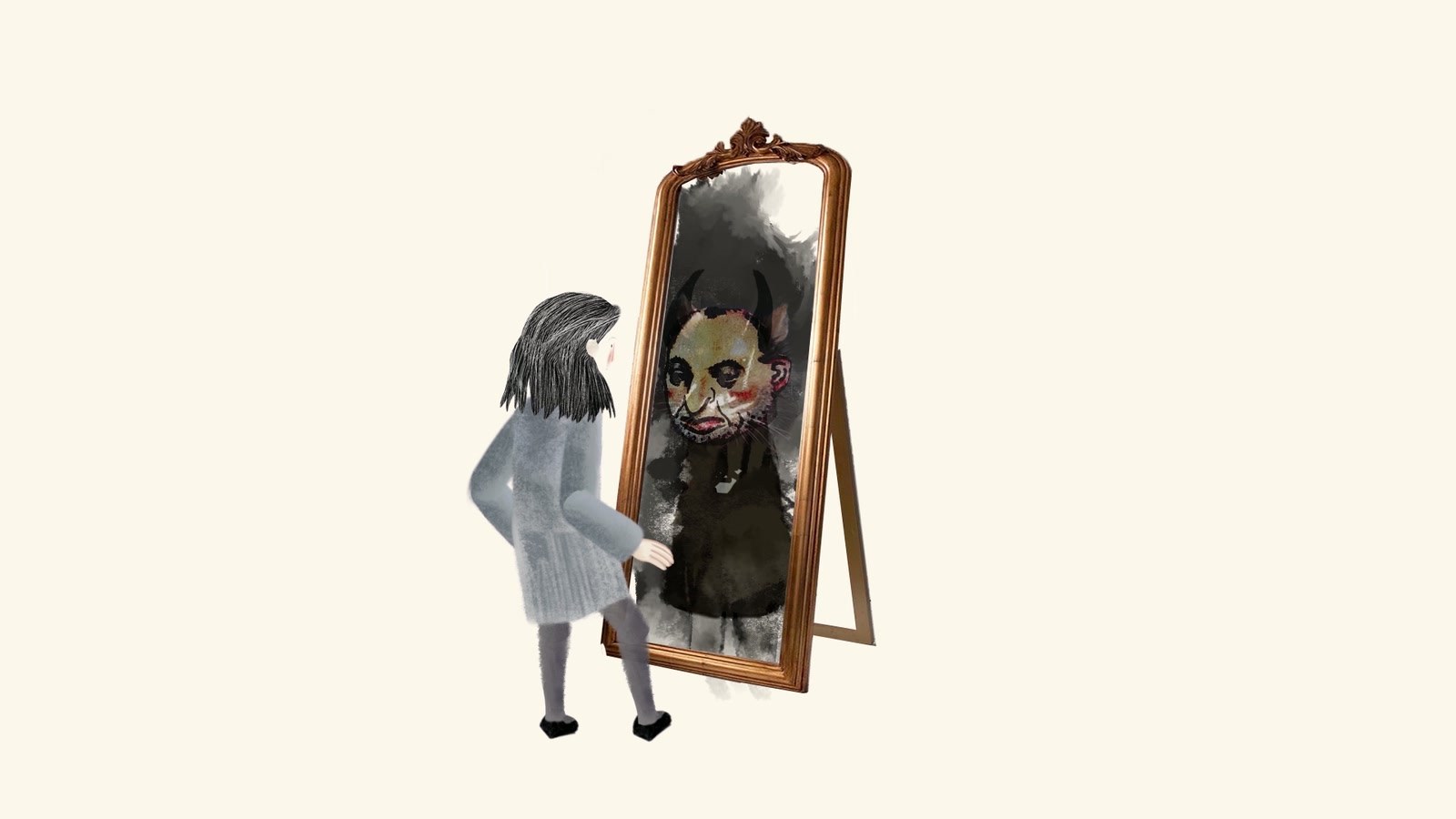
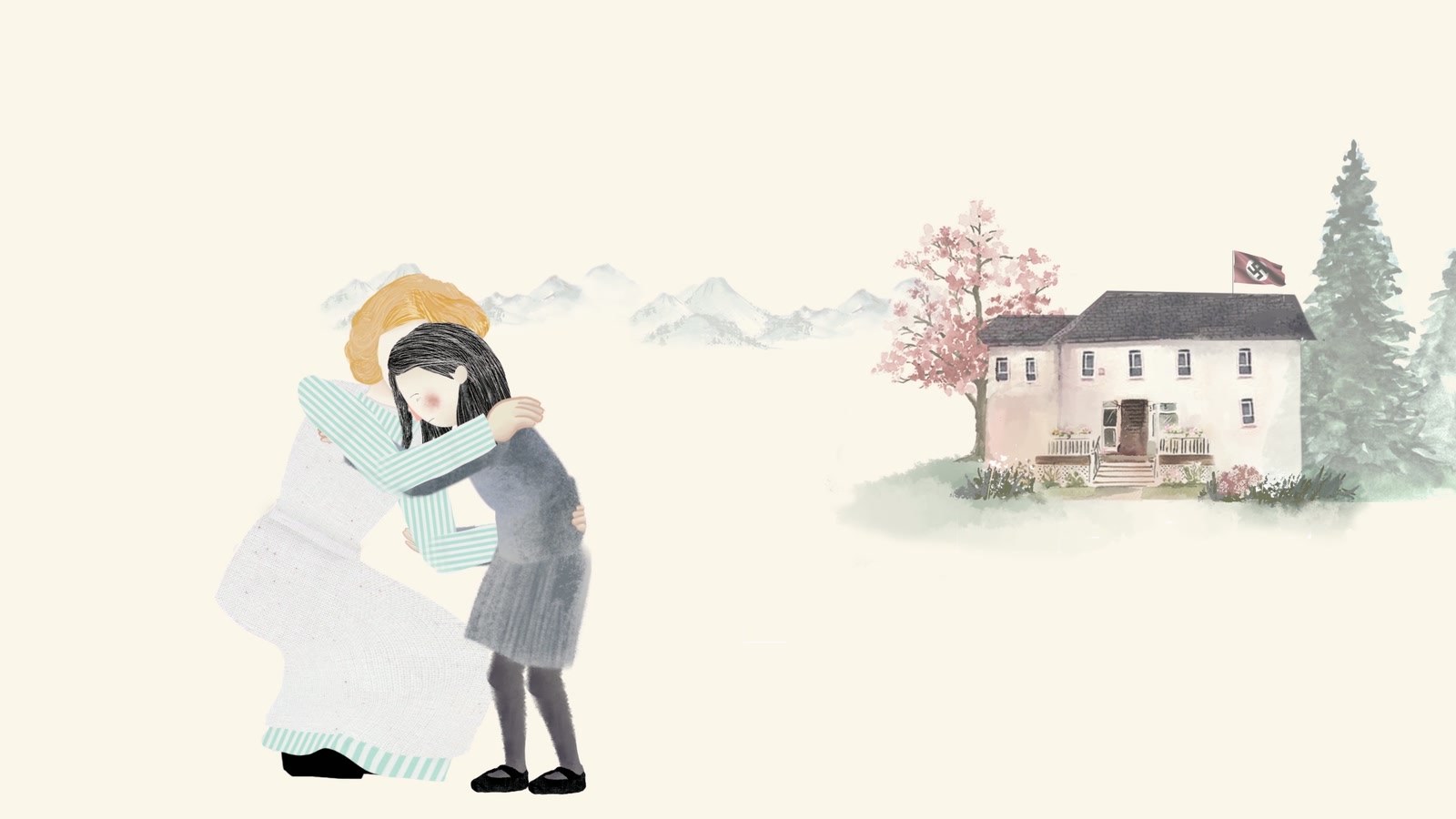
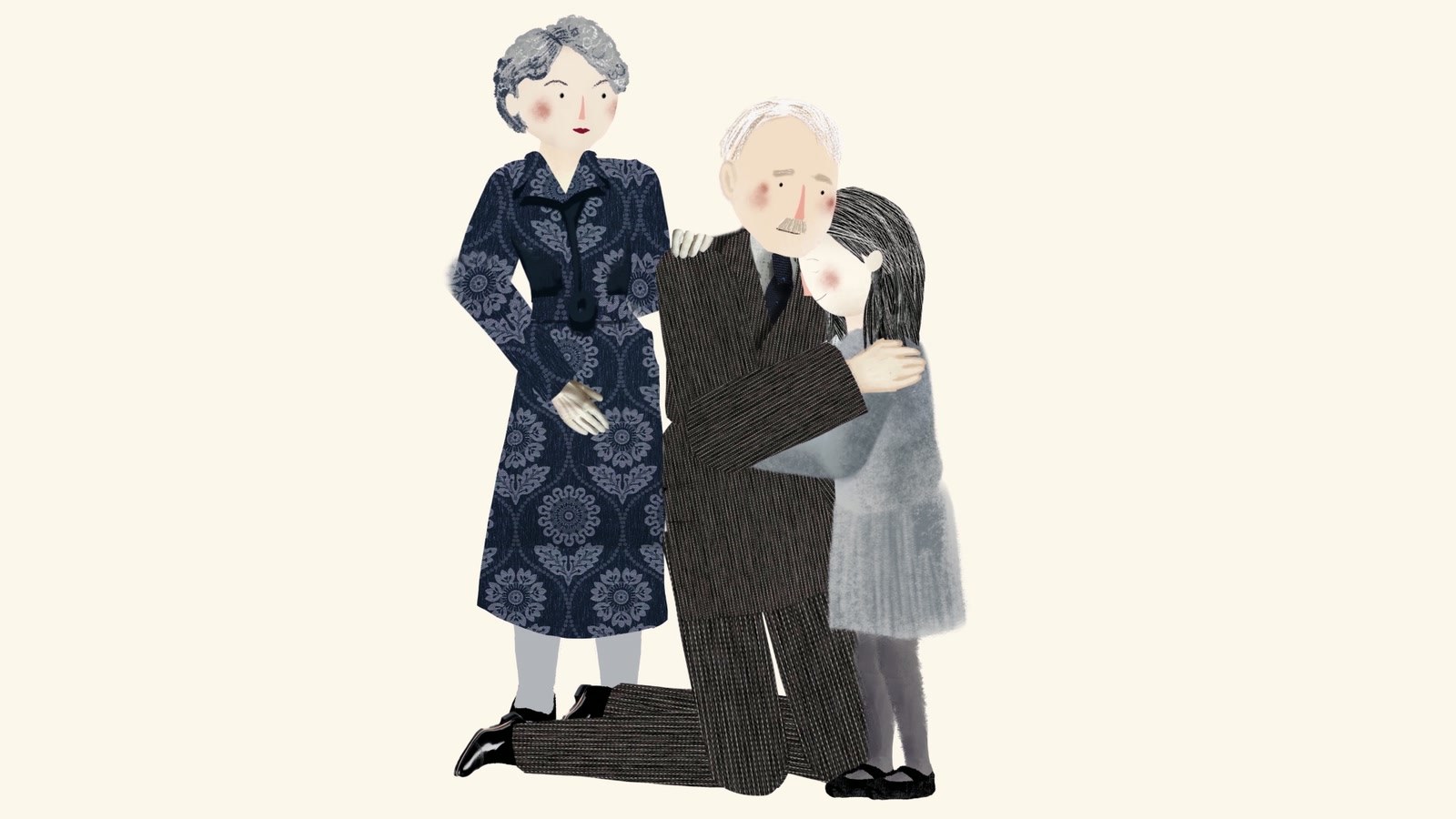
Hildegard took her home, to her parents in a German village, and was a mother to her. Elka told them her name was Ellie Carl, and that she had lost her parents when Dresden was bombed. The film is the story of that home, of the kindness she found in it and of the secret she kept there. When we met Elka the first impression was of a woman of enormous charm, and of an exceptional sharpness.