Dan David Foundation · 2024 · Prize ceremony & social media

On Kathryn Olivarius, and the city that priced a life before it arrived.

A two-and-a-half-minute tribute on a historian whose work made yellow fever a force in the political and economic history of the nineteenth-century American South, and immunity itself a form of capital.

Client
Dan David Foundation
Subject
Prof. Kathryn Olivarius, Stanford University
Direction
Daniella Koffler
Animation
Moofa Animation Team
Year
2024
Kind
Ceremony film
The subject

Kathryn Olivarius is Associate Professor of History at Stanford University. Her book Necropolis: Disease, Power, and Capitalism in the Cotton Kingdom (Belknap Press of Harvard, 2022) reads antebellum New Orleans through a single brutal fact: in a city where yellow fever killed roughly half of those it struck and left the survivors immune, having survived the disease became a kind of capital.

Olivarius coined the term immunocapital for the way fever survival functioned as creditworthiness, marriageability, employability, even a form of property. The Dan David Prize honored her for making epidemiology and the body central to the political and economic history of slavery and the cotton economy.

The aim

Olivarius tells the story of an entire economic system through a single life. This is a move the best twenty-first-century historians make often, and it is a hard one: the lives of thousands cannot really be told, but what we remember, as humans, is one story standing for a whole society. The film followed her method. We built our central figure, Ralph Roanoke, from the ground up, because no image of him survives, and let him carry the arc a statistical table never could.

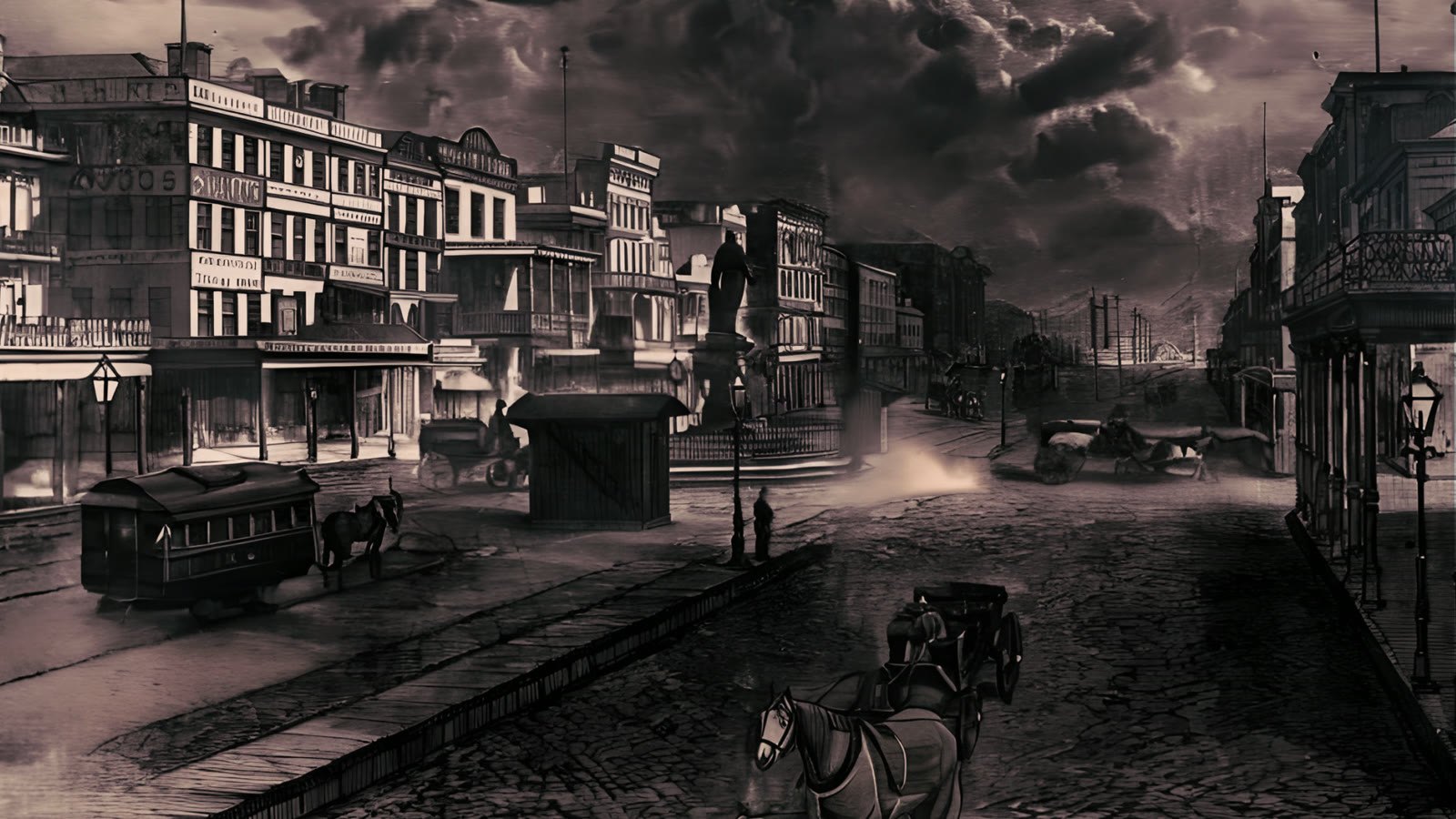
The film's other decision was to animate the real period illustrations, the newspaper engravings of the yellow-fever wards, rather than invent our own. We wanted the viewer to see, in front of their eyes, what it was to be condemned to a possible death you could do nothing to prevent. And then the stranger, colder turn in Olivarius's argument, the one that lands very differently after a pandemic of our own: if you survived the fever, you gained a status. An "acclimated citizen" could get credit, marry, be trusted, do almost anything in New Orleans. Survival was not luck. It was capital. The film had to hold both the horror and that brutal logic in the same two and a half minutes.

Source material
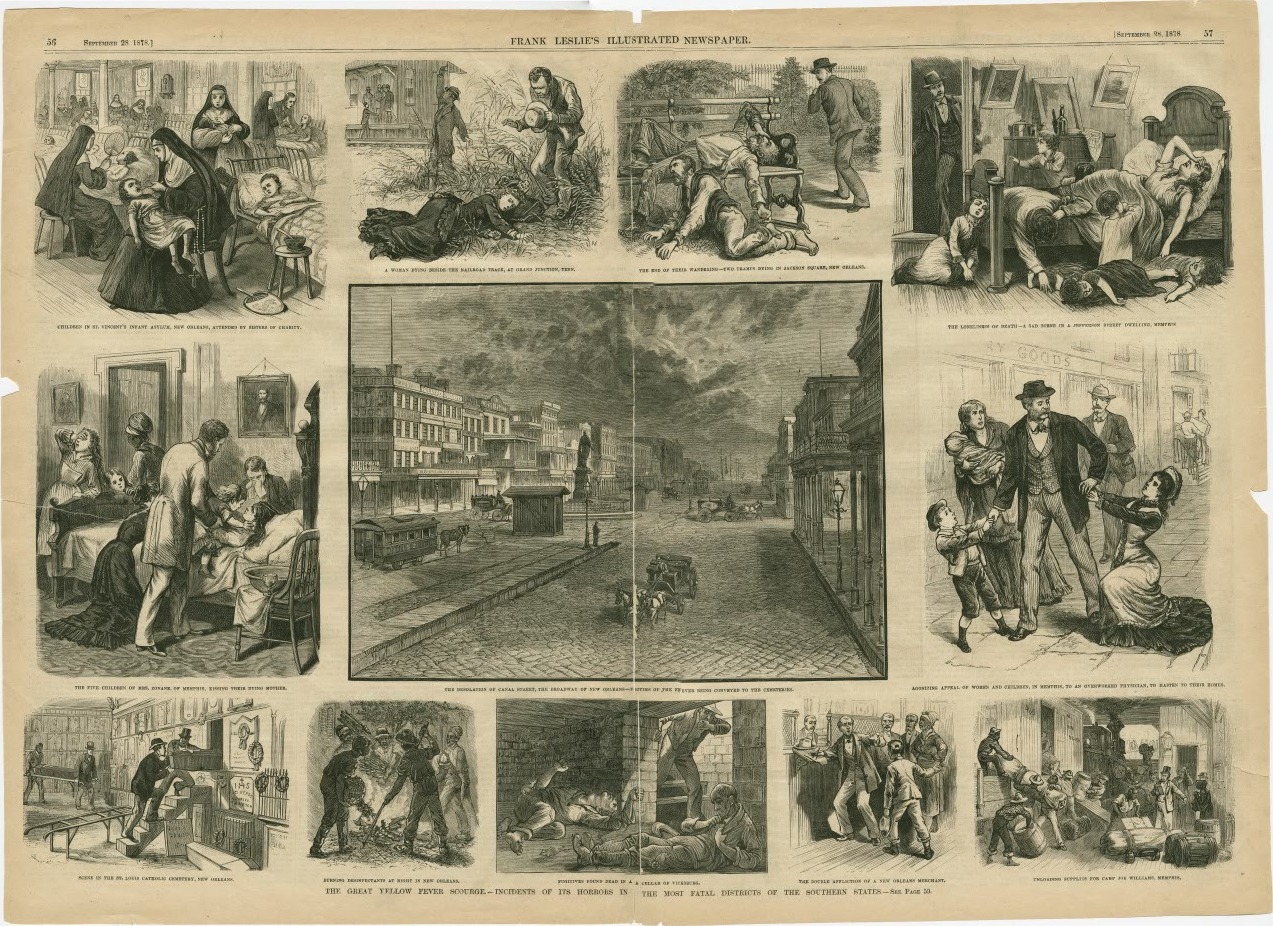
Frank Leslie's Illustrated Newspaper, The Great Yellow Fever Scourge, 1878
"The Great Yellow Fever Scourge — Incidents of Its Horrors in the Most Fatal Districts of the Southern States." Frank Leslie's Illustrated Newspaper, 28 September 1878. Wood engraving. A central view of Canal Street, New Orleans, ringed by twelve vignettes of the epidemic across New Orleans, Memphis, and Vicksburg. The Historic New Orleans Collection (1981.216). Public domain. This was the period source we animated to build the world of the film.
What we did with it
Film still: an animated 1850s New Orleans street under a dark sky
The city, animated from the page. Rather than illustrate the fever from scratch, the film set the original 1878 newspaper engravings in motion, so the viewer feels what it was to stand in a New Orleans summer that "ravaged the city."
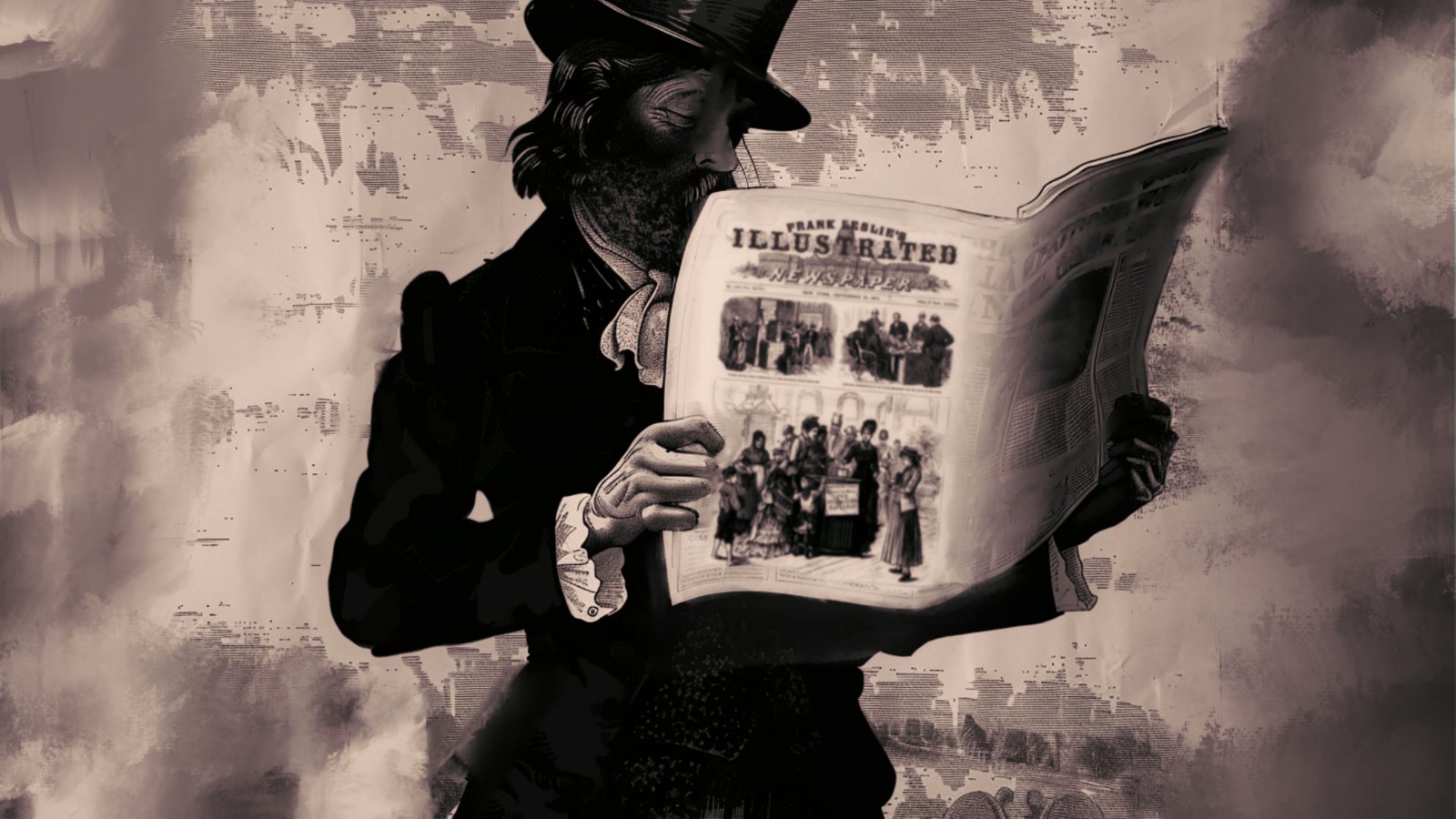
Film still: a man in a top hat reading Frank Leslie's Illustrated Newspaper
The newspaper

The film opens on the paper itself.

A man reads Frank Leslie’s Illustrated Newspaper, and the page he is holding becomes the film.

Taken apart, scene by scene

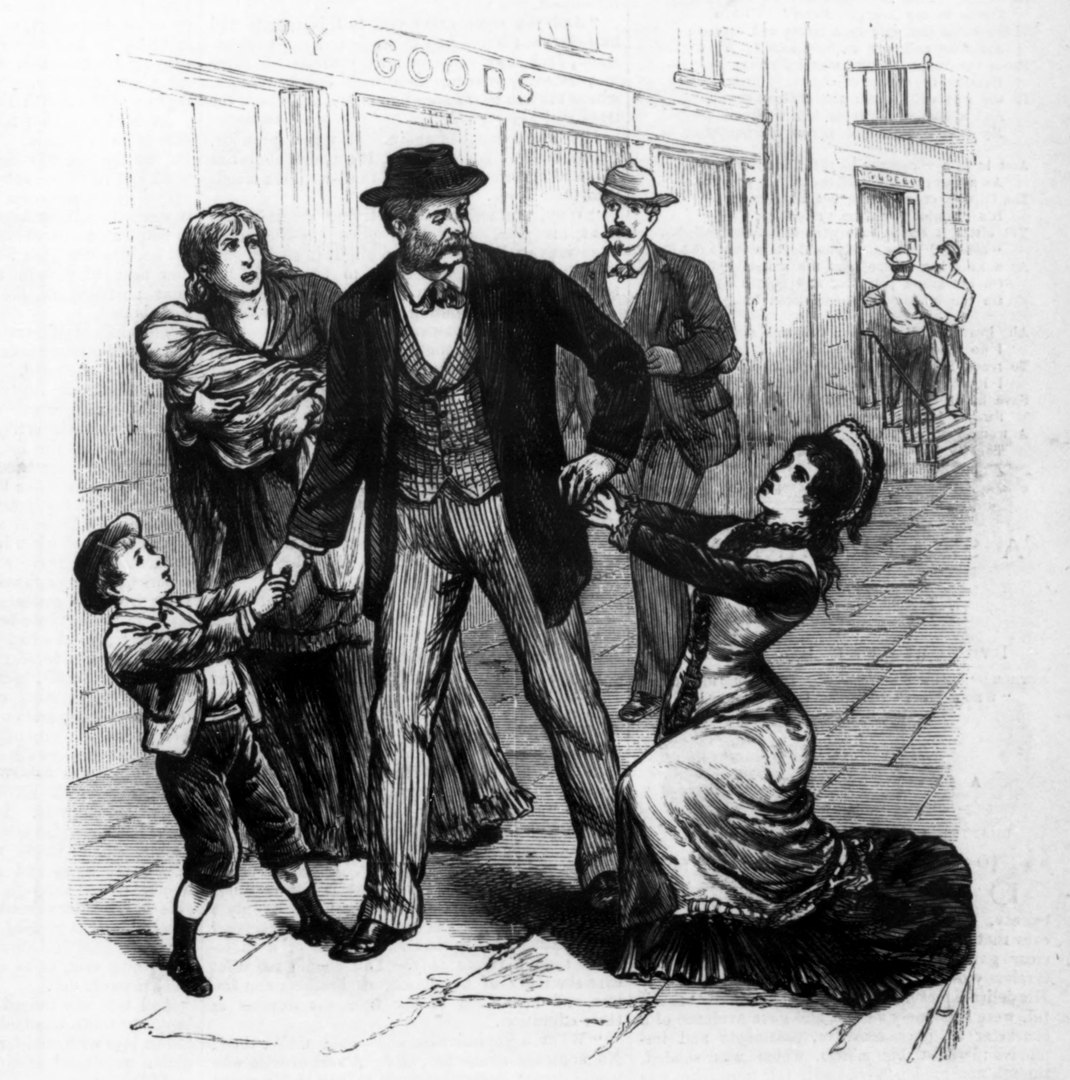
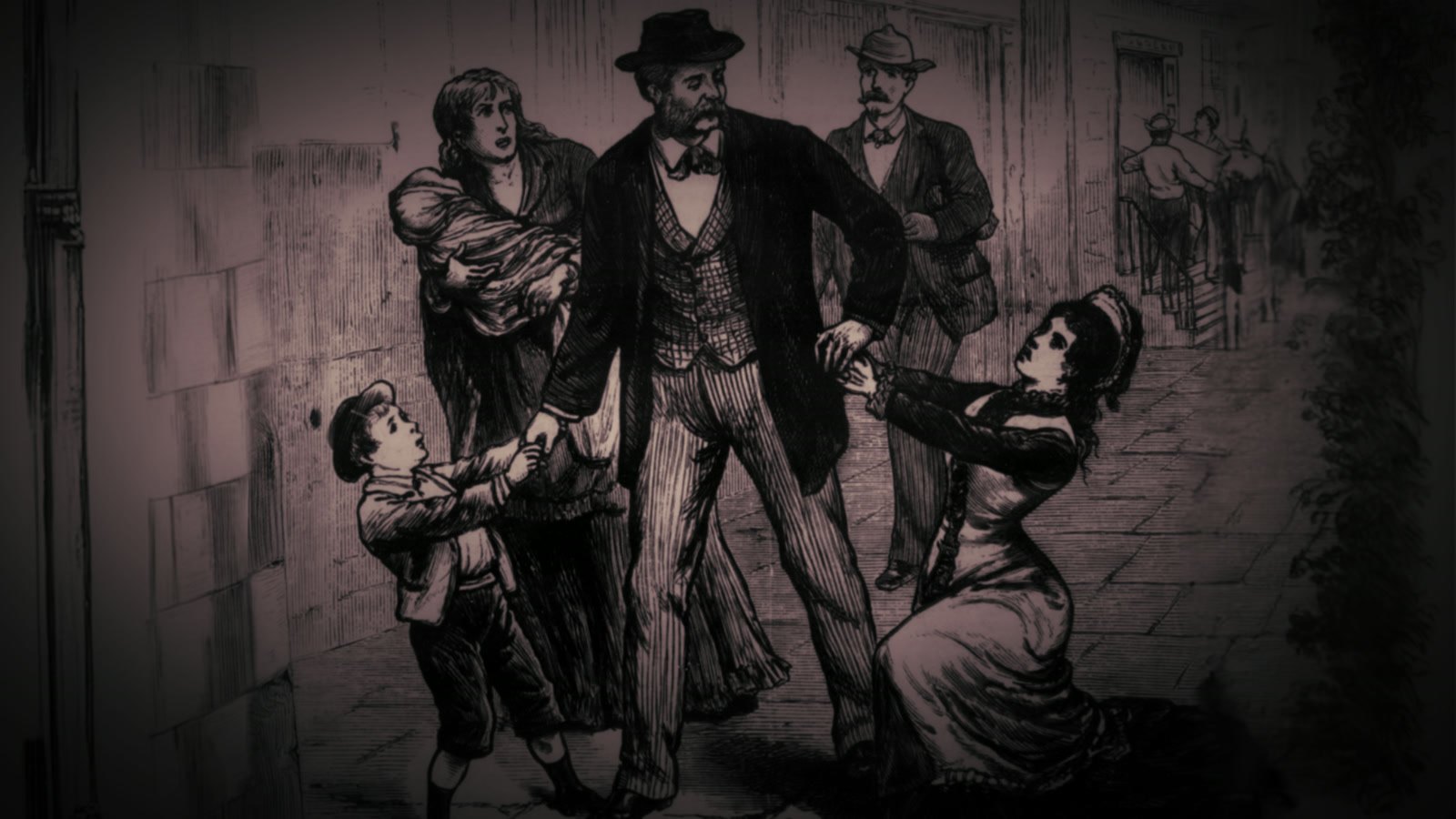
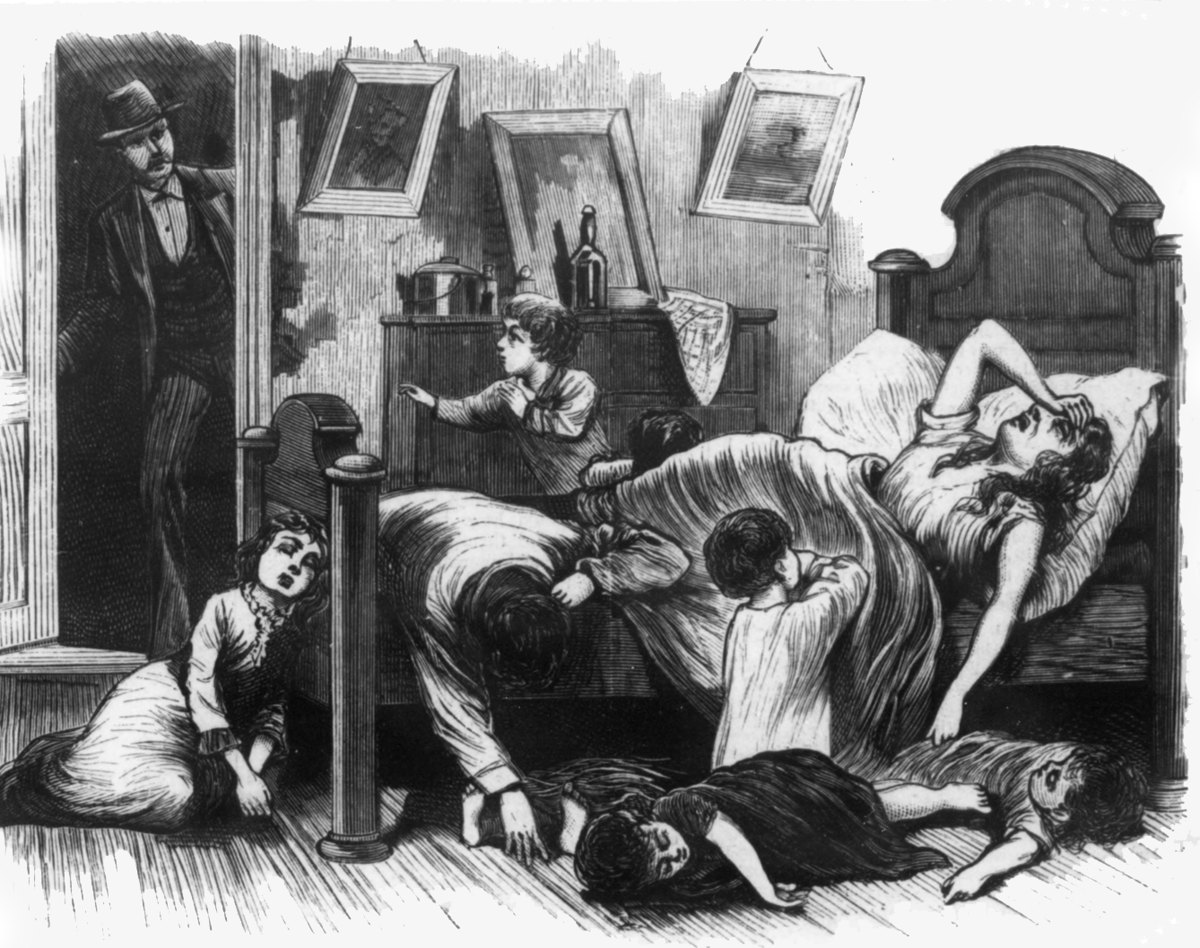
Most of the film comes out of that single newspaper page. Its vignettes were taken out one by one and set in motion.

Engraving from the 1878 newspaper page: a man held back by a pleading woman and children in a street
On the pageA man held back by a pleading woman and children in the street.
Film still: the same street scene, animated
In the filmThe same people, lifted off the page and set in motion.
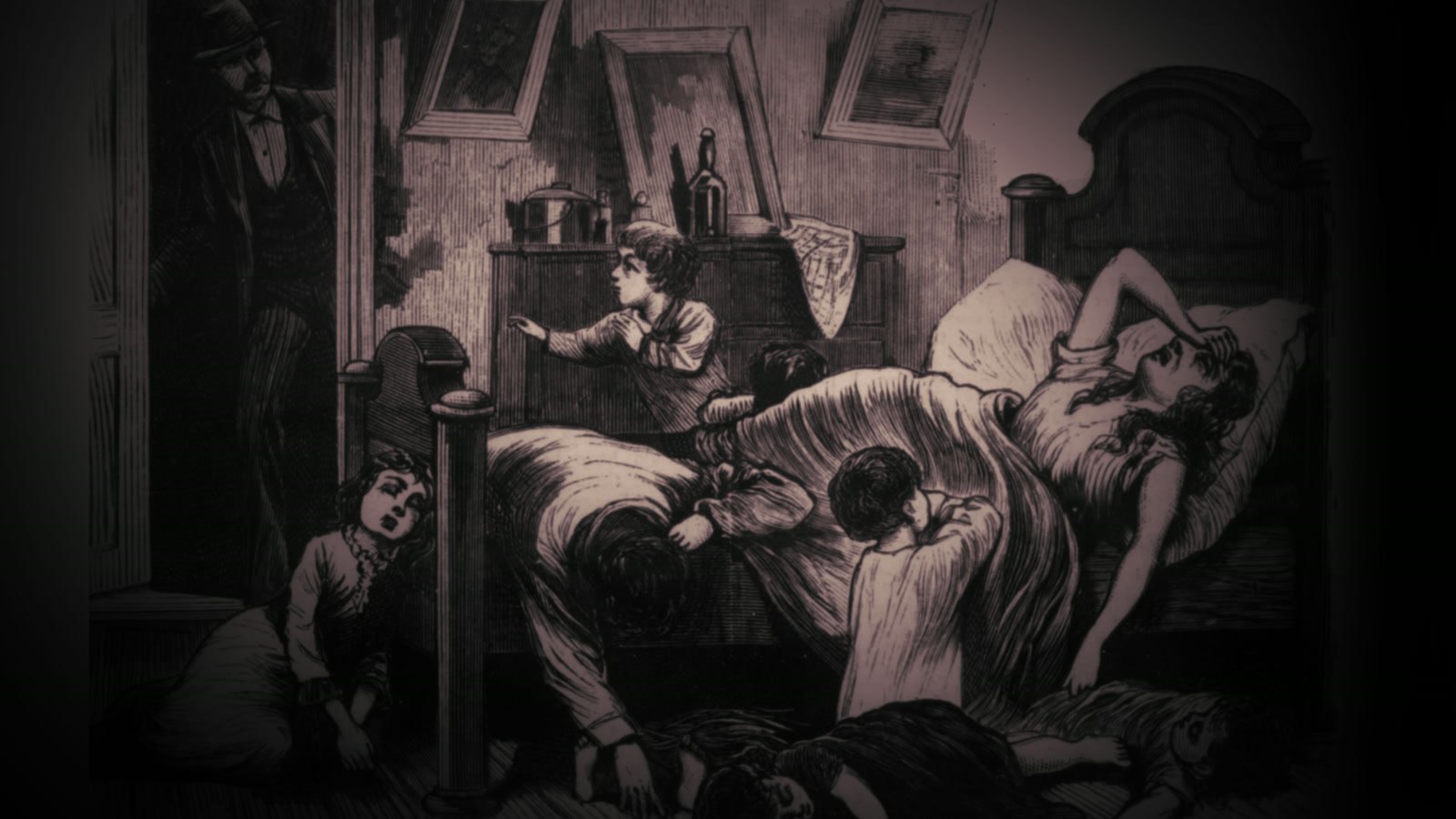
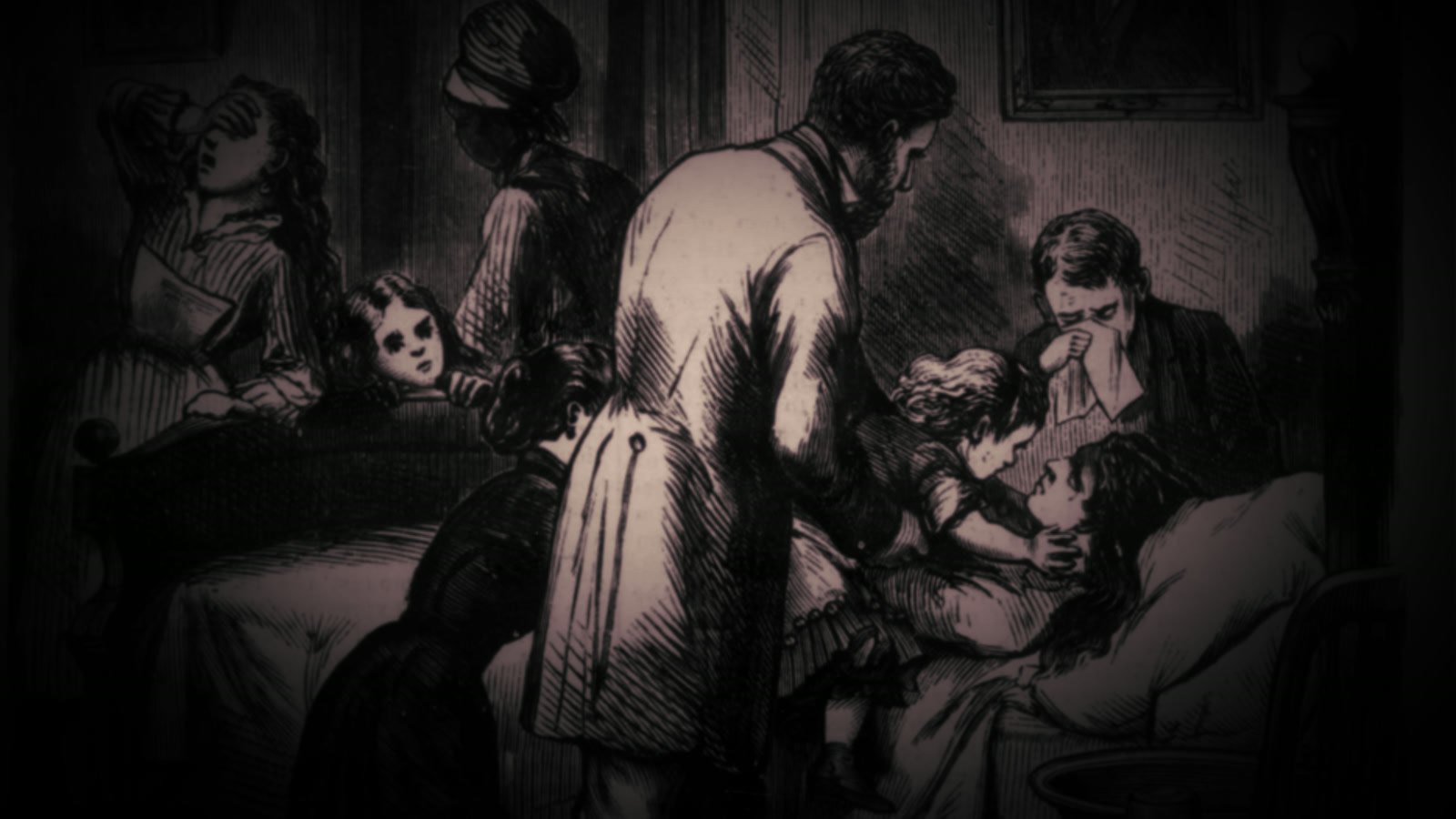
Engraving from the 1878 newspaper page: a mother collapsed in bed with her children around her
On the pageA mother collapsed in bed, her children around her.
Film still: the same bedroom scene, animated
In the filmThe room, the bed and the children, as the engraving drew them.
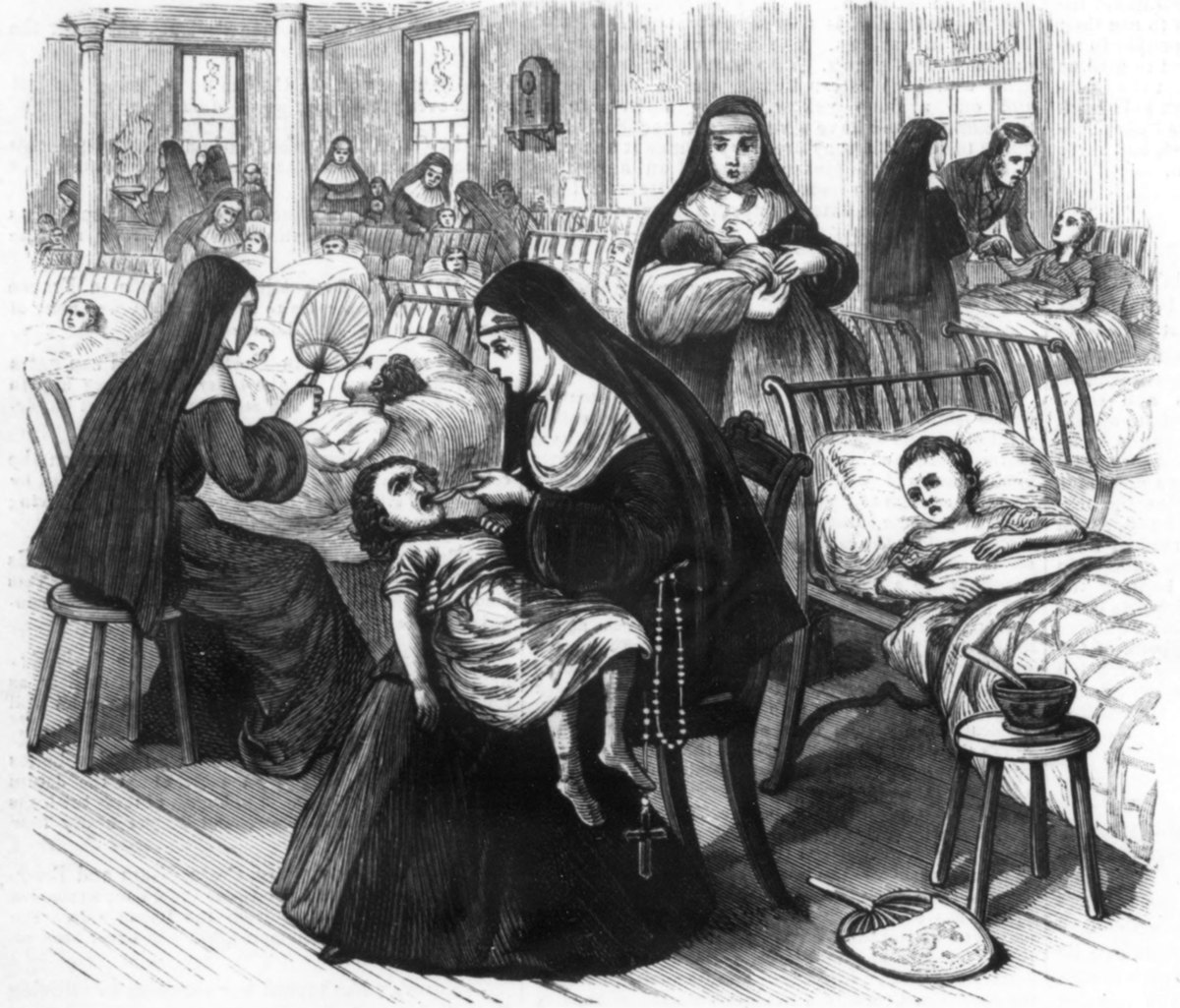
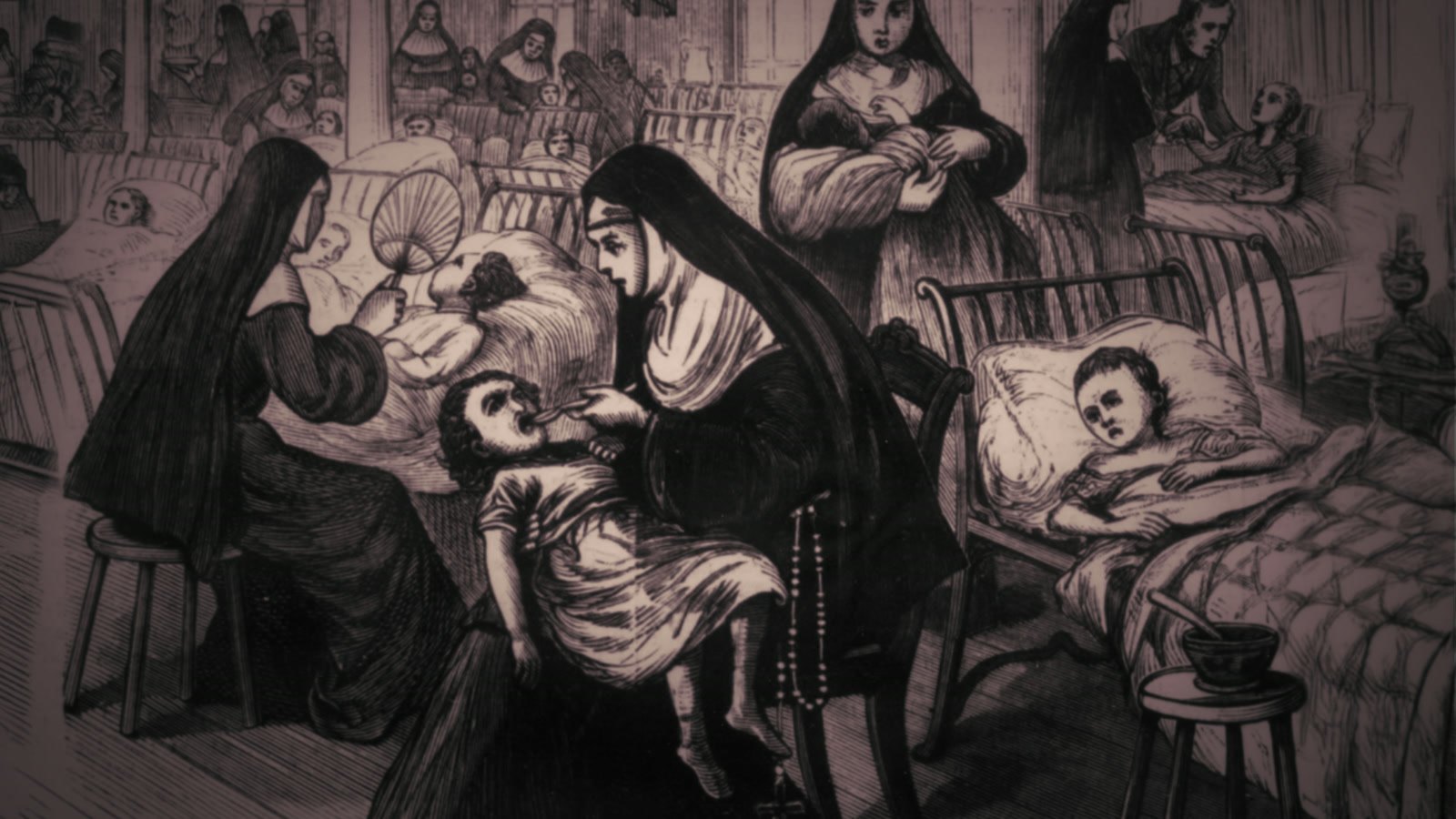
Engraving from the 1878 newspaper page: nuns tending sick children in a ward
On the pageNuns tending the sick in a fever ward.
Film still: the same ward with nuns, animated
In the filmThe ward, with the nuns at the bedsides.
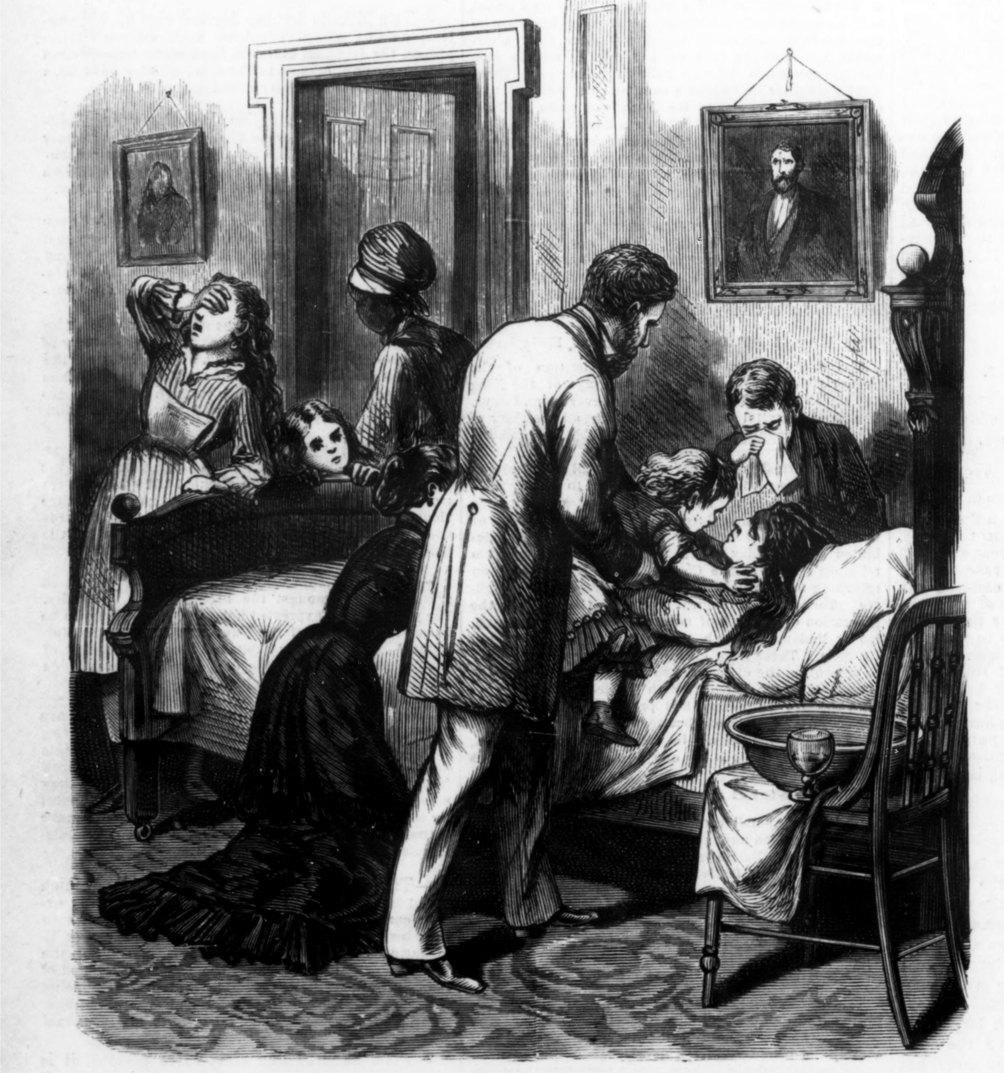
Engraving from the 1878 newspaper page: a family gathered at a deathbed
On the pageA family gathered at a deathbed.
Film still: the same deathbed scene, animated
In the filmThe deathbed scene, brought into the film.
Source material
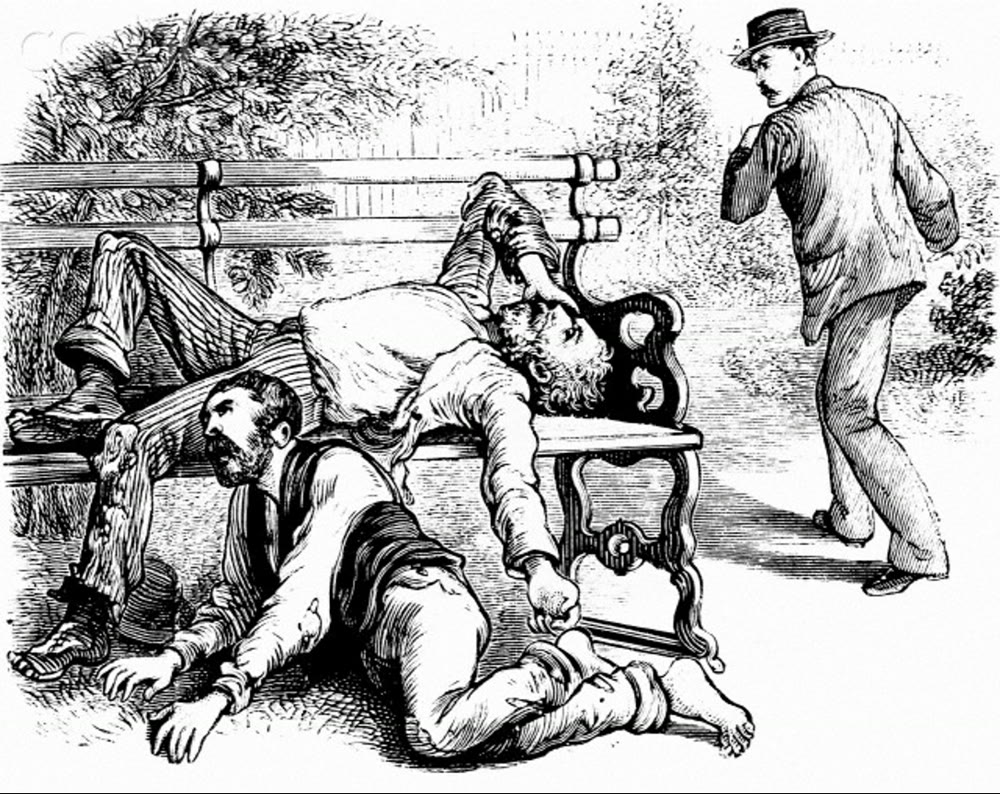
Engraving of men dying on a park bench during the yellow fever epidemic
Detail: the fever's dead and dying, from the 1878 Frank Leslie's spread. A single vignette from the newspaper page, men collapsed in a public square as the epidemic ran unchecked. The Historic New Orleans Collection (1981.216). Public domain. Not a portrait of any one person, but the fate the city priced in advance.
What we did with it
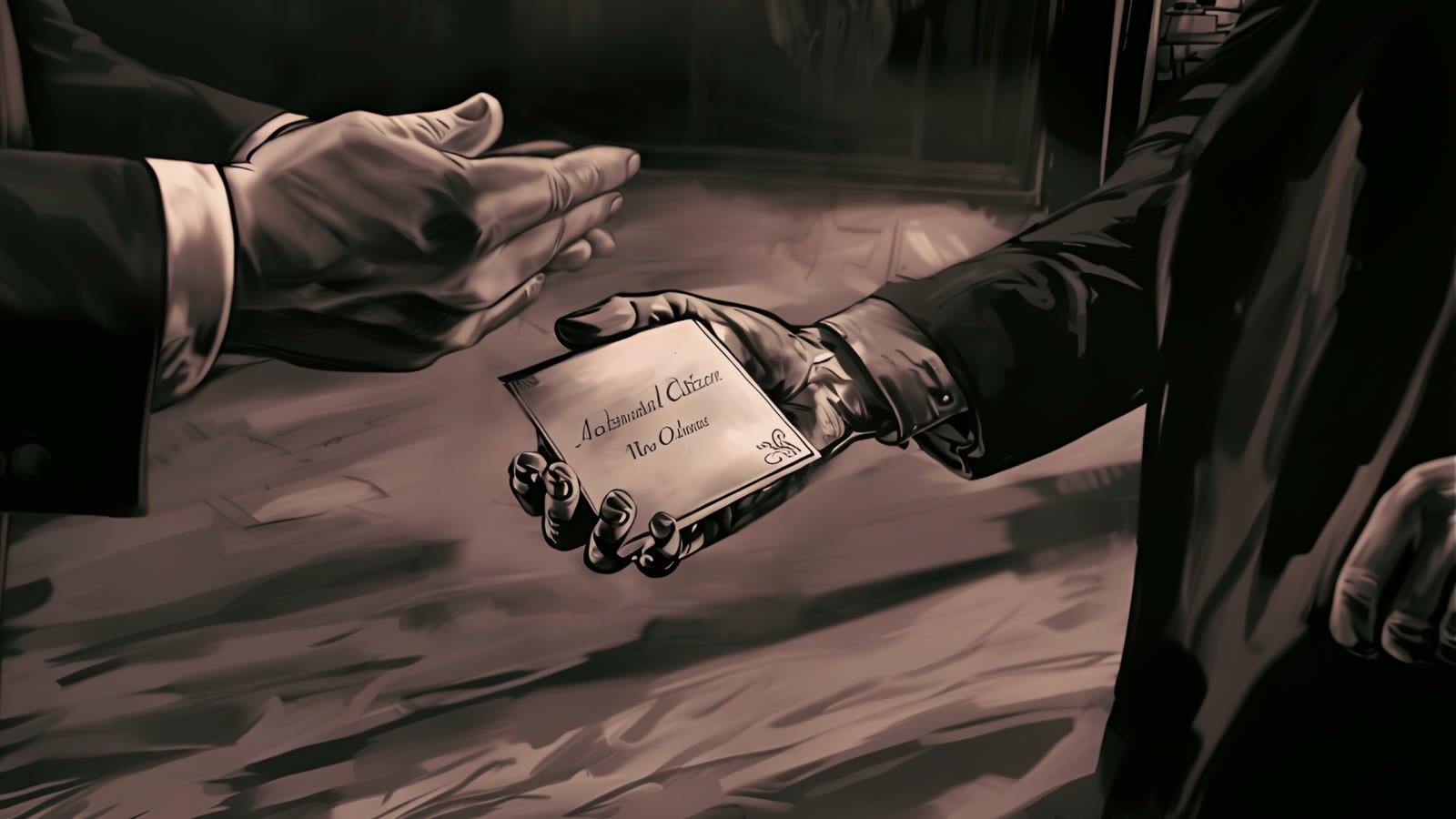
Film still: a hand passing an 'Acclimated Citizen' card
The reward for surviving: an "Acclimated Citizen" card. The film's image of immunocapital made literal. Having lived through the fever, the survivor is handed a credential that opens the social and economic life of the city, the exact currency Olivarius's work uncovered.
The Dan David films

Each year the Foundation chooses, with the laureate, the subject of the film they are honoured for, and we turn it into script, image and motion. The laureate sees it for the first time on the evening of the prize — on the big screen, in a room full of people who have come to honour them. Afterwards the films go out on social media, YouTube, Facebook, LinkedIn and more, and on the Foundation’s own site, beside the committee’s reasoning and the laureate’s interview, and some laureates carry them into their own classrooms, to show what it is they work on.
Get in touch

Have a prize that deserves this kind of care?

Tell us about it →