Dan David Foundation · 2025 · Prize ceremony & social media
On Dmitri Levitin, and the roommate who kept a notebook.
A film about John Wickins, who shared a room with Isaac Newton at Trinity College for twenty years, and about his notebook, recently rediscovered, which shows a very different Newton from the solitary genius of lore.
- Client
- Dan David Foundation
- Subject
- Dr. Dmitri Levitin, All Souls College, University of Oxford & University of Utrecht
- Direction
- Daniella Koffler
- Animation
- Moofa Animation Team
- Year
- 2025
The subject
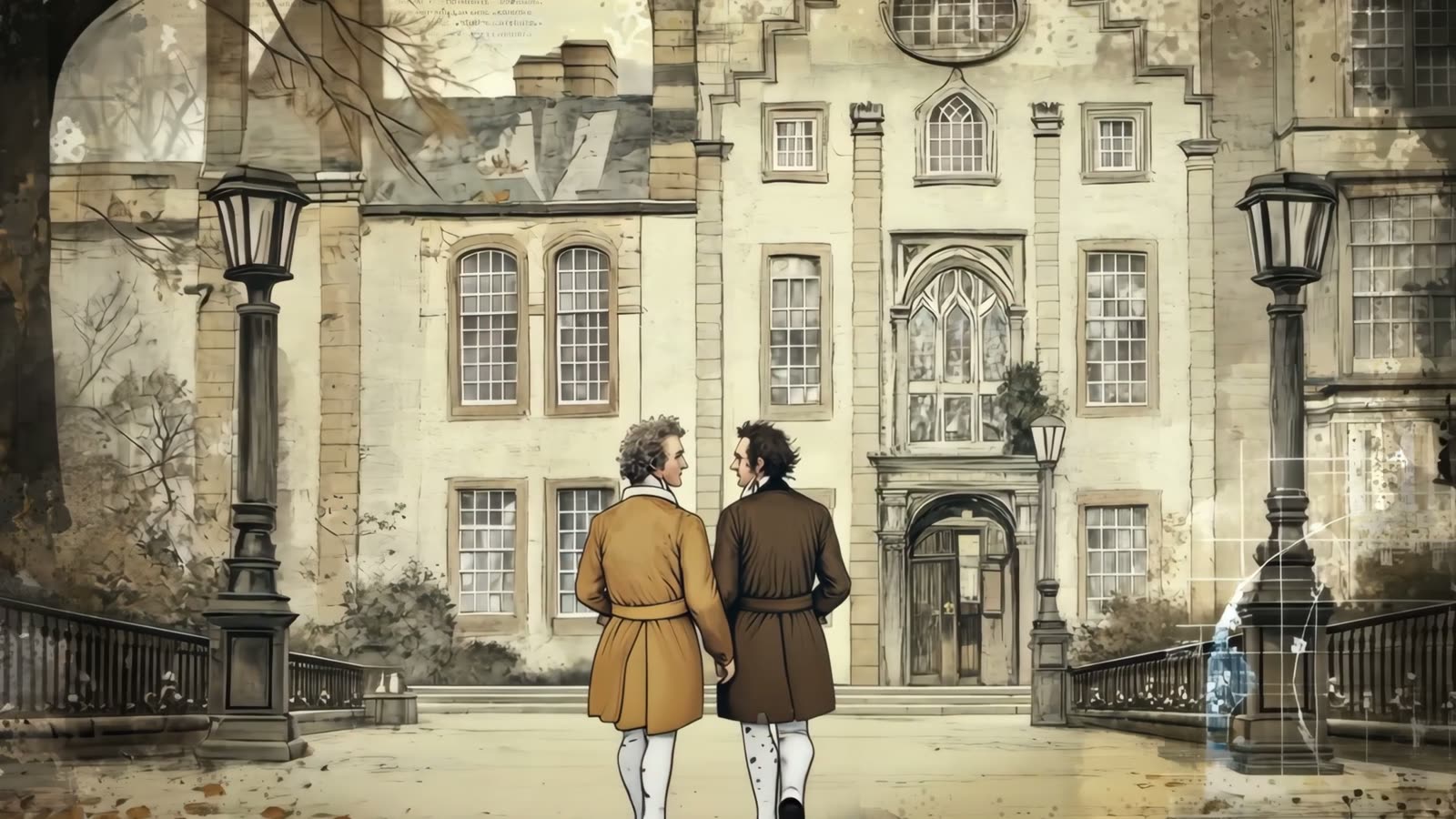
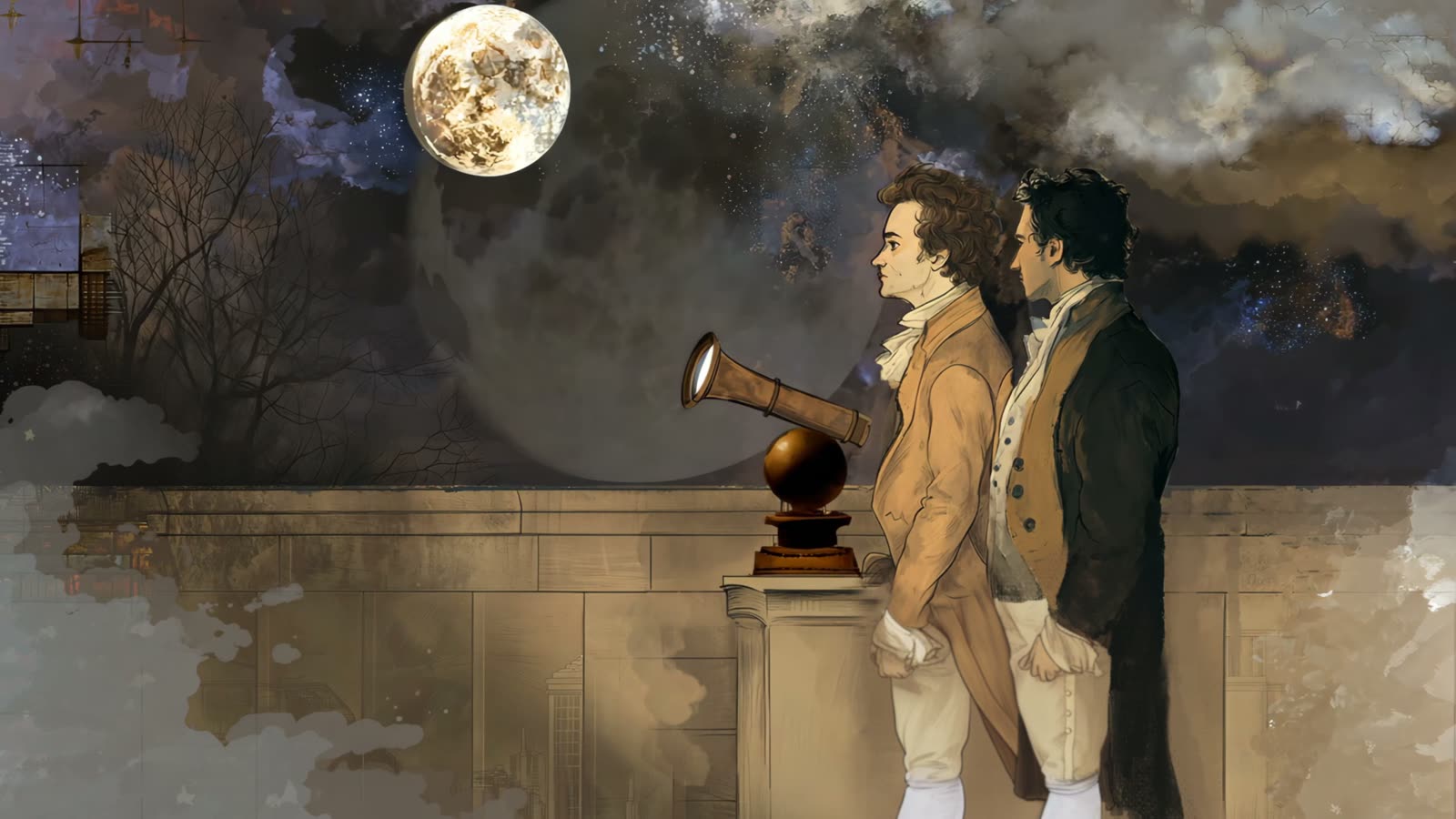
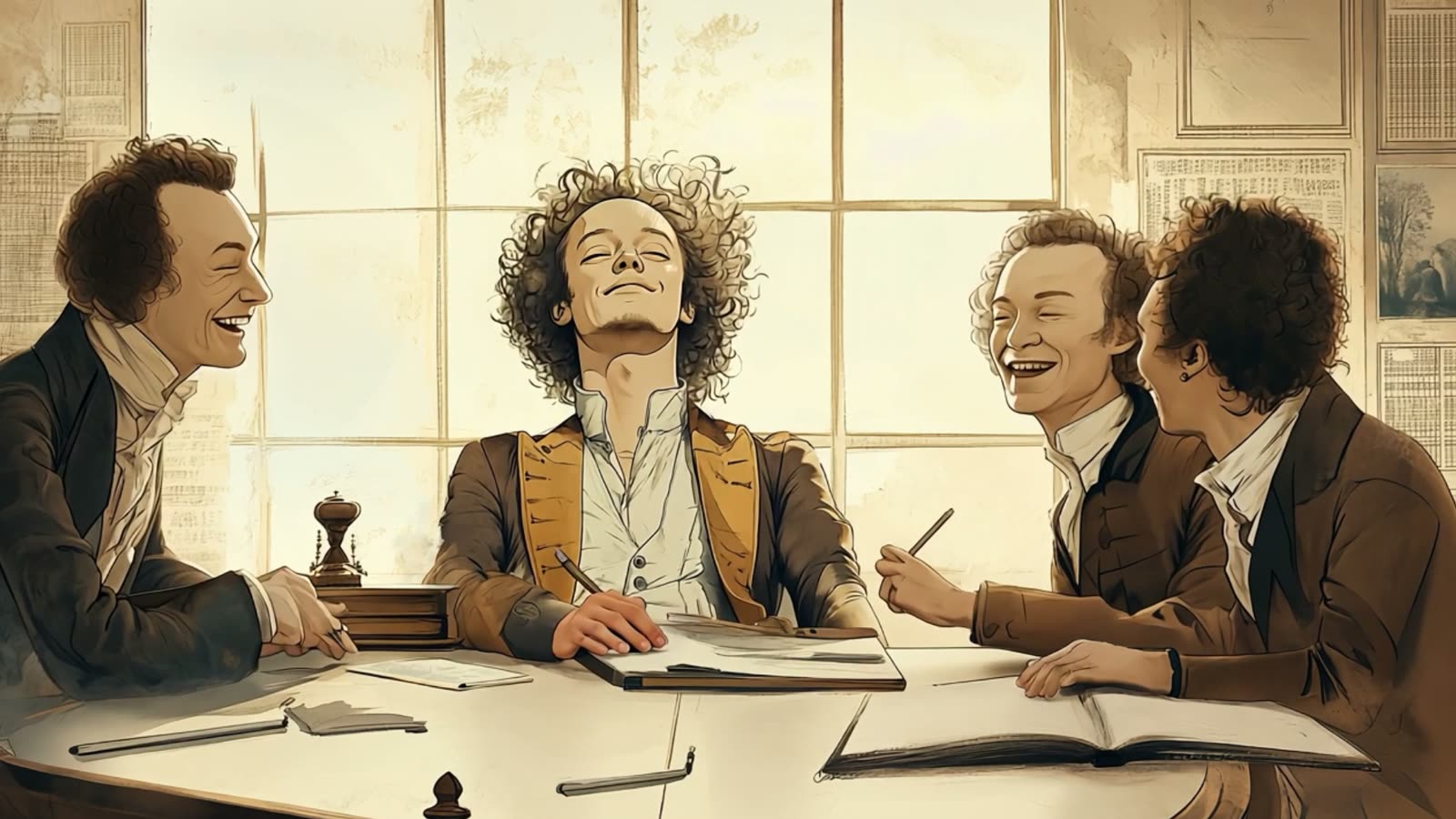
In 1662 John Wickins, a student at Trinity College, Cambridge, moved in with a new roommate: another young student by the name of Isaac Newton. Both became Fellows of the college, and they shared the room for the next twenty years.
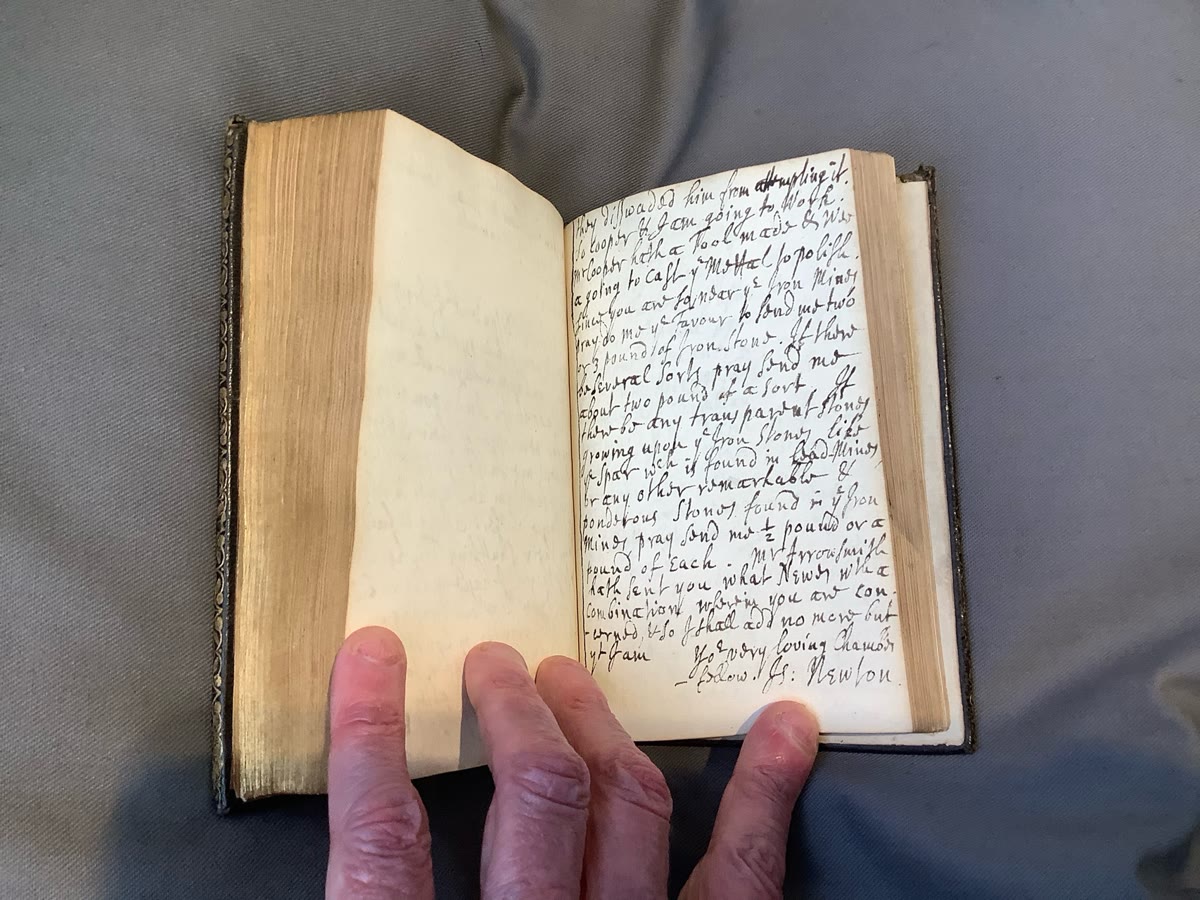
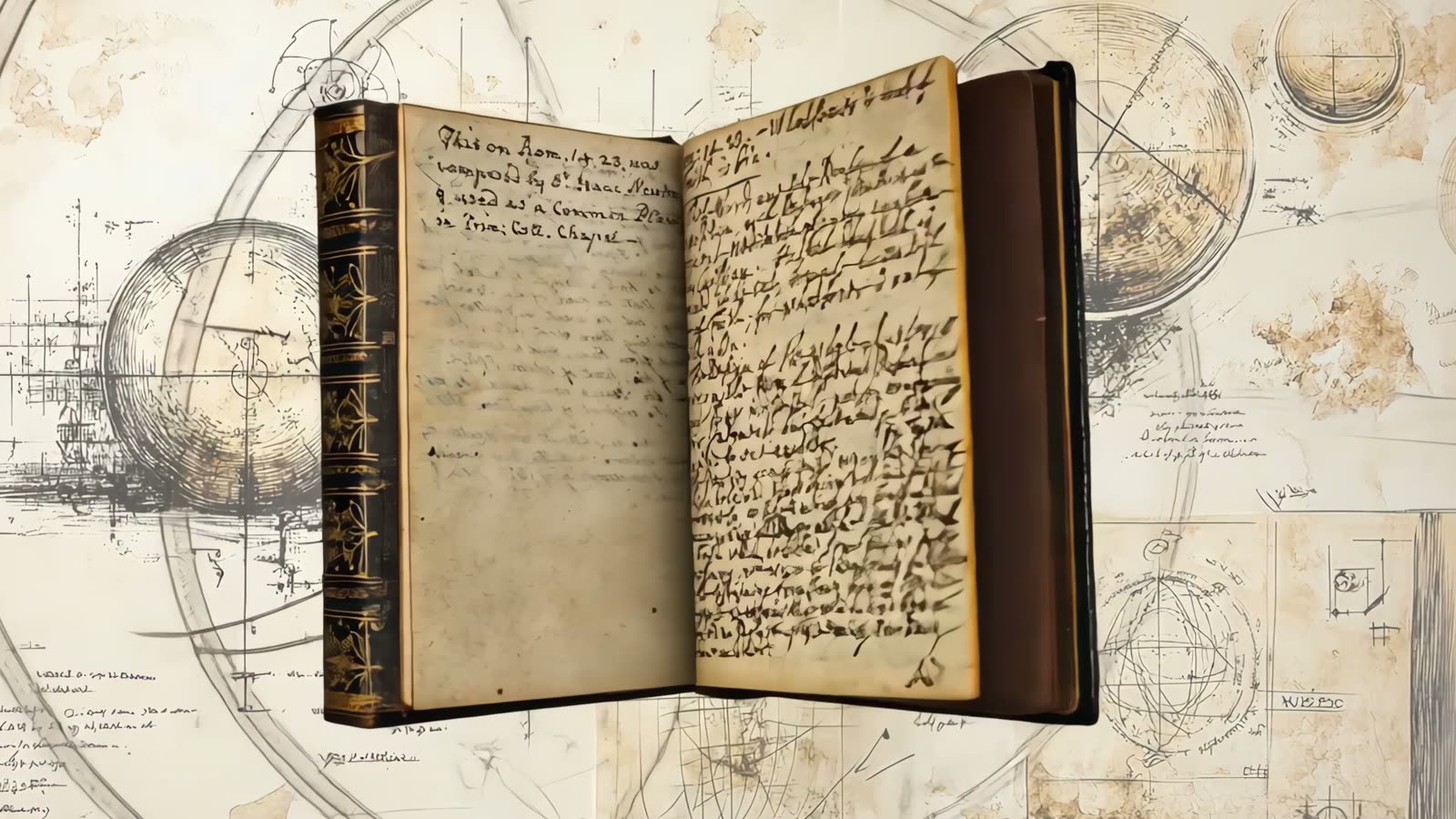
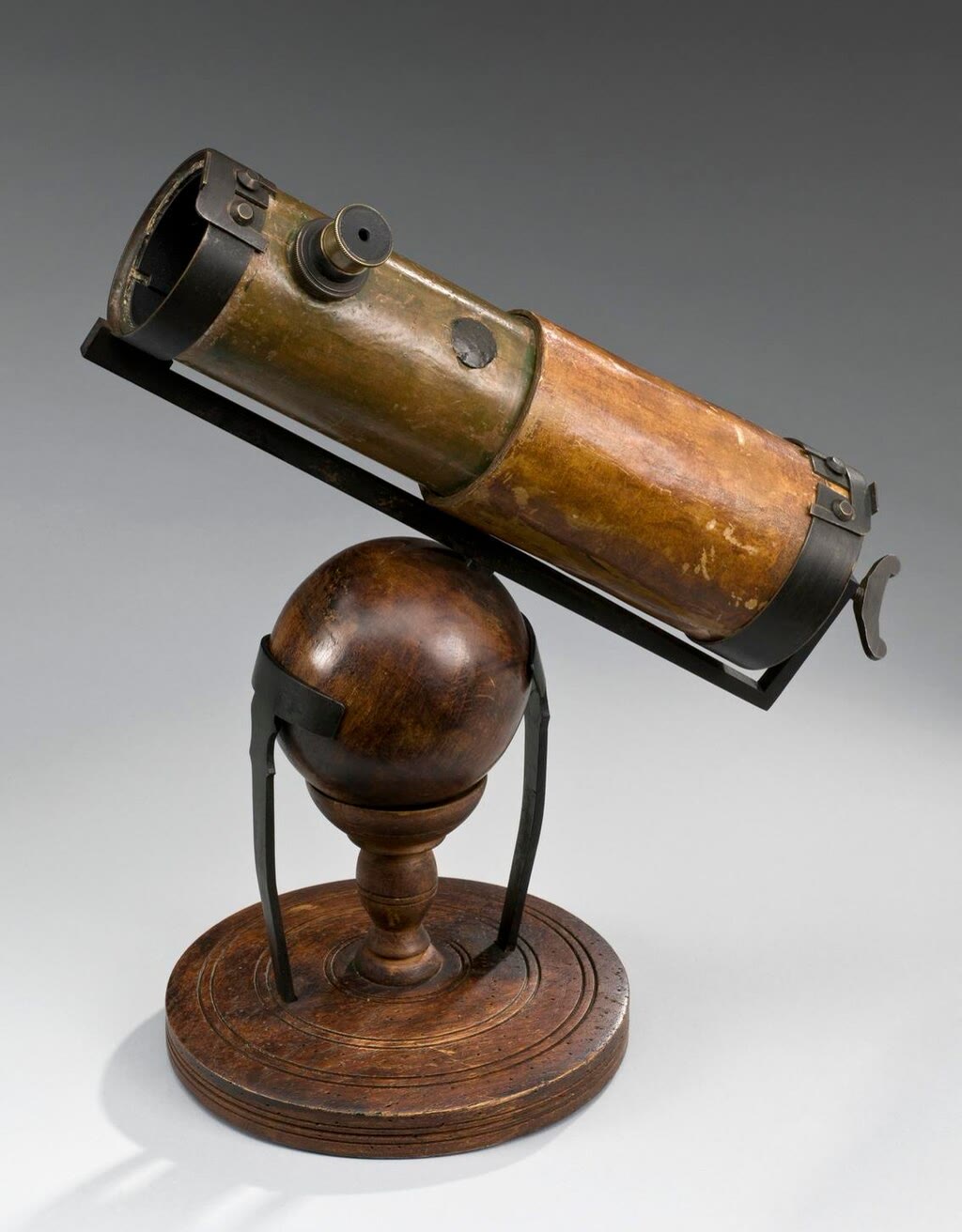
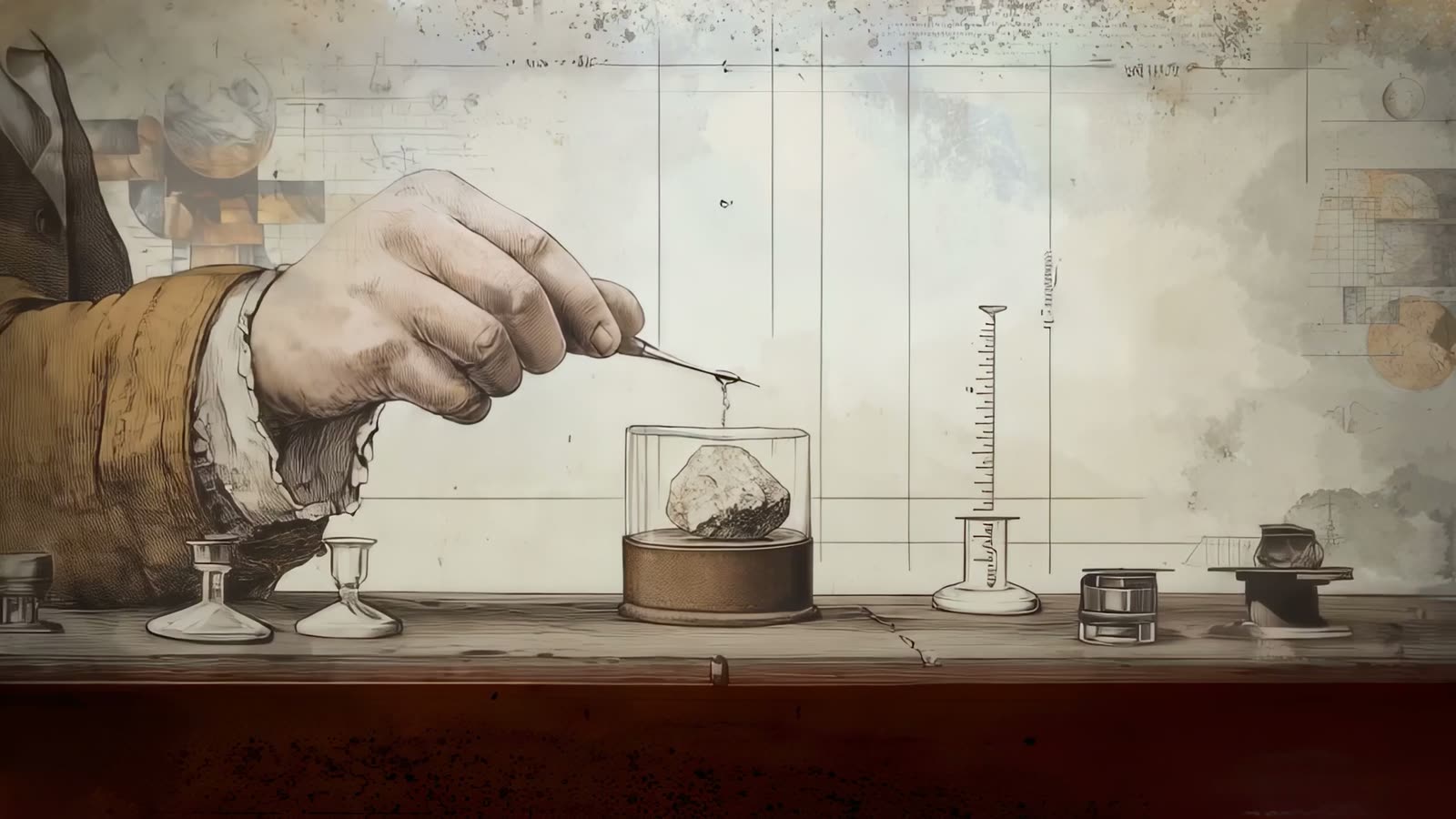
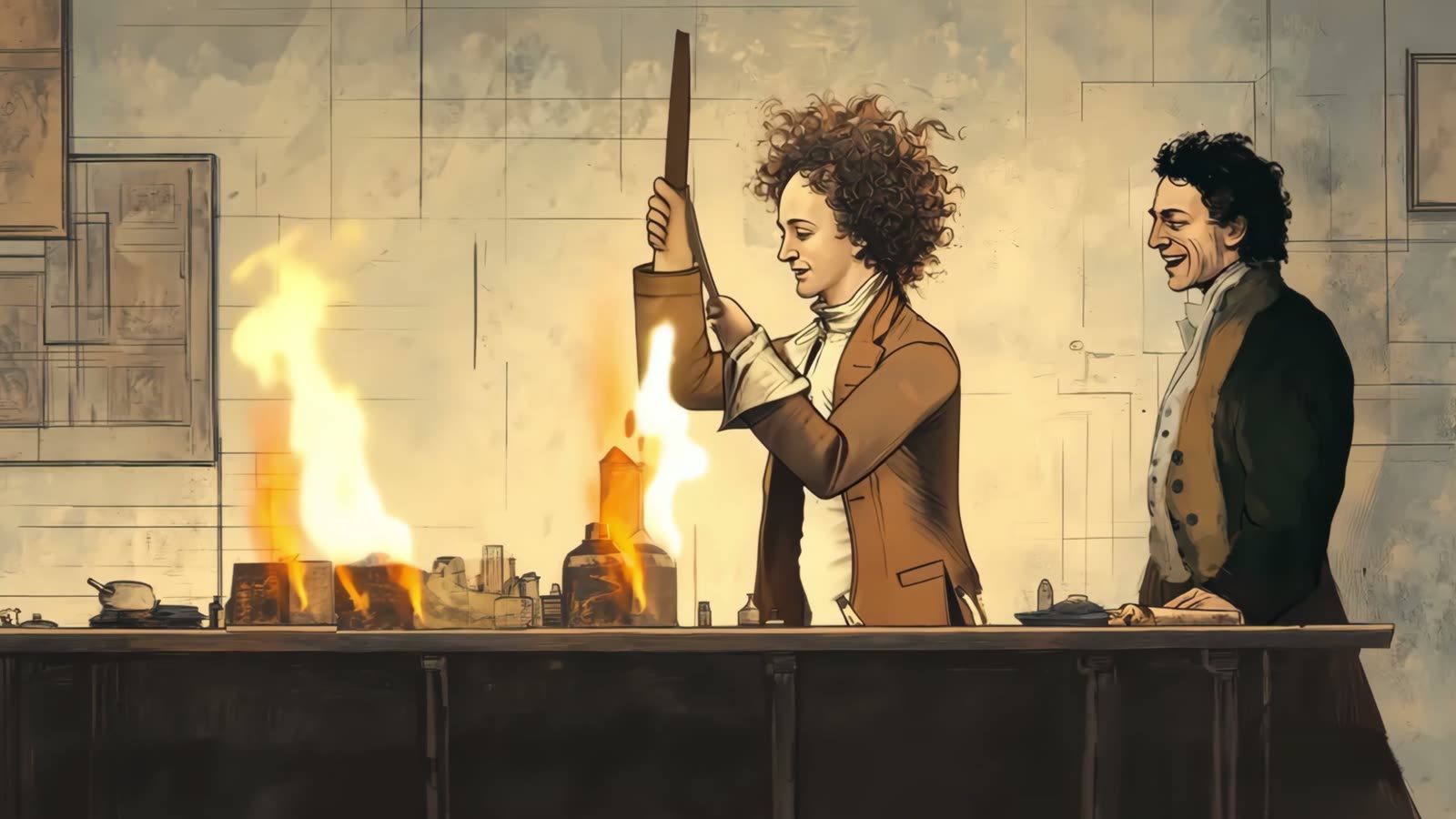
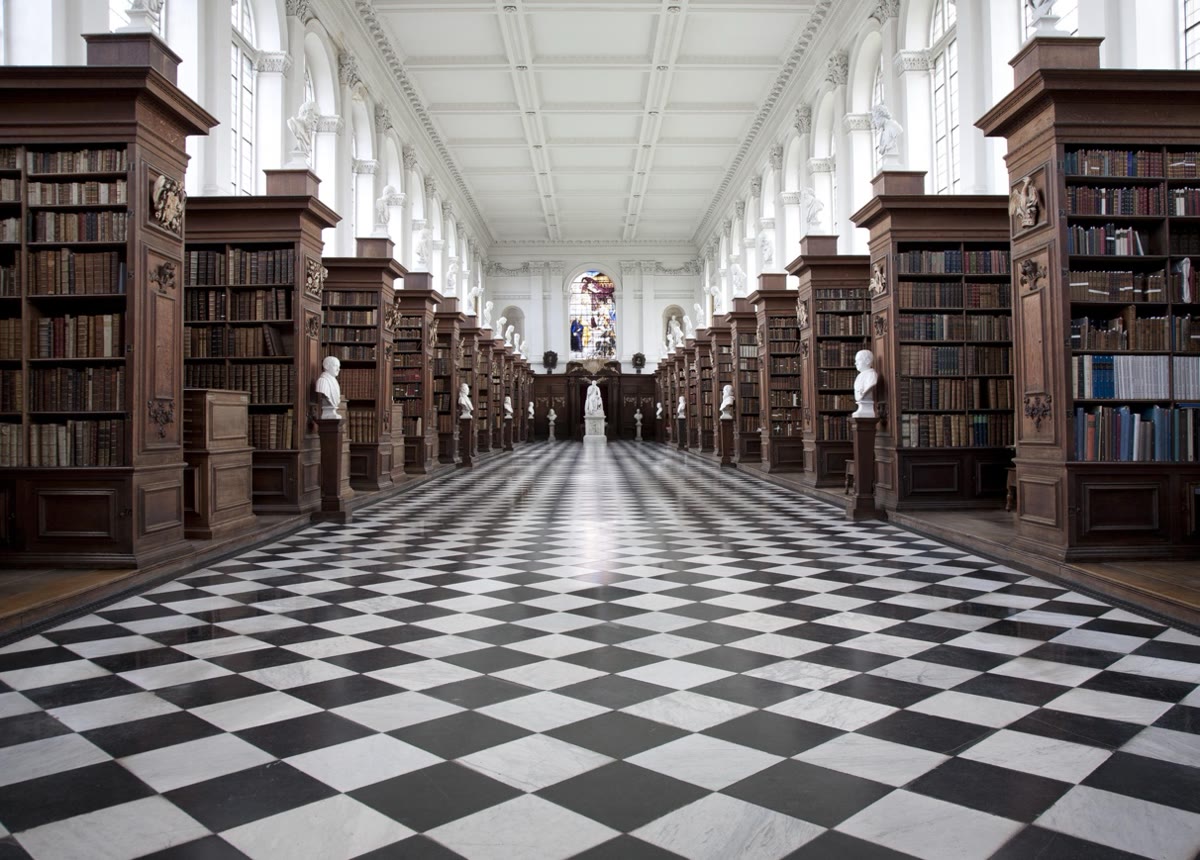
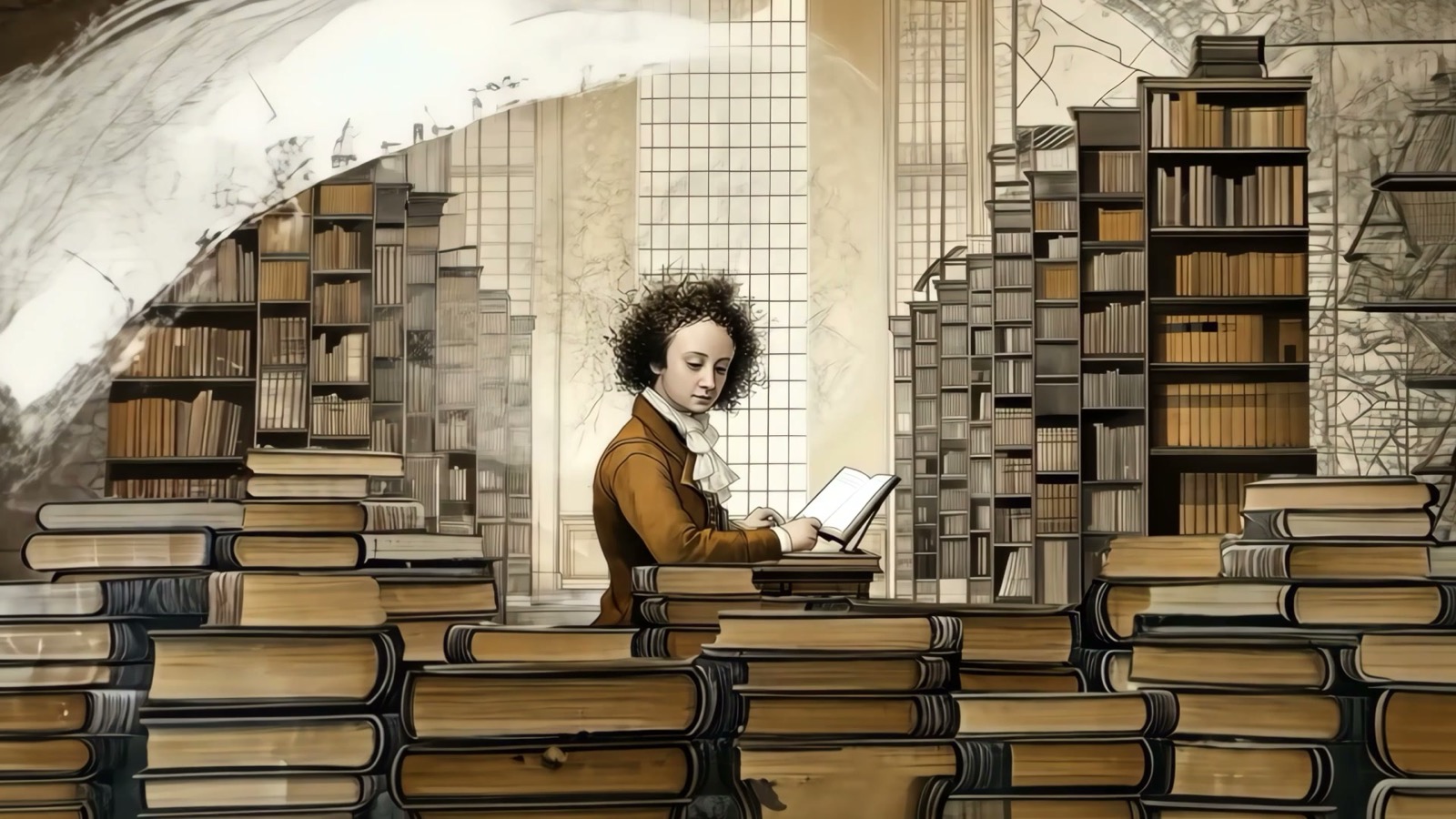
Wickins kept a notebook, recently discovered, and Dmitri Levitin has been working on it. It shows that the two worked together on building the first reflecting telescope; that Wickins sent mineral specimens for Newton’s alchemical experiments, in which Newton accidentally set fire to their rooms; that Wickins recorded the text of Newton’s university theology disputation, which set Newton on the path to heresy; and which books Newton borrowed from the College library as he walked that new path.
Above all, the notebook reveals a very different Newton from the solitary genius of lore: a man deeply embedded in the world of the university, and indebted to the friend he signed to as “your ever loving Chamberfellow”. As Levitin says in the film, Newton was still a genius, but he was part of a community, an educational community, an institution. We cannot write the history of intellectual change separately from the history of education.
The film
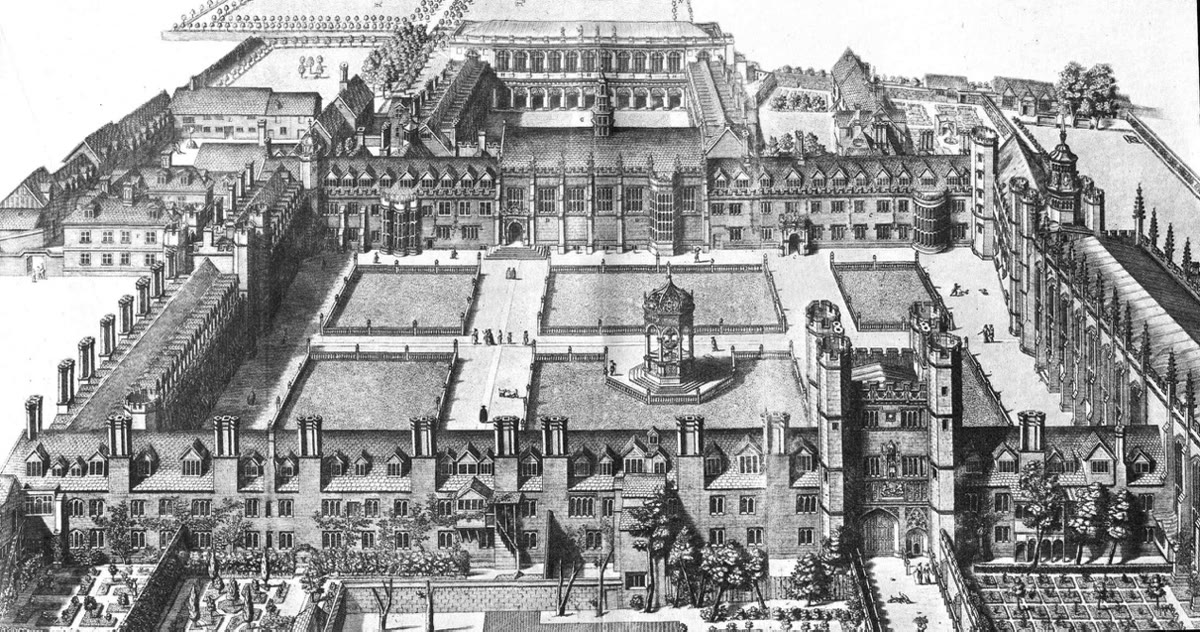
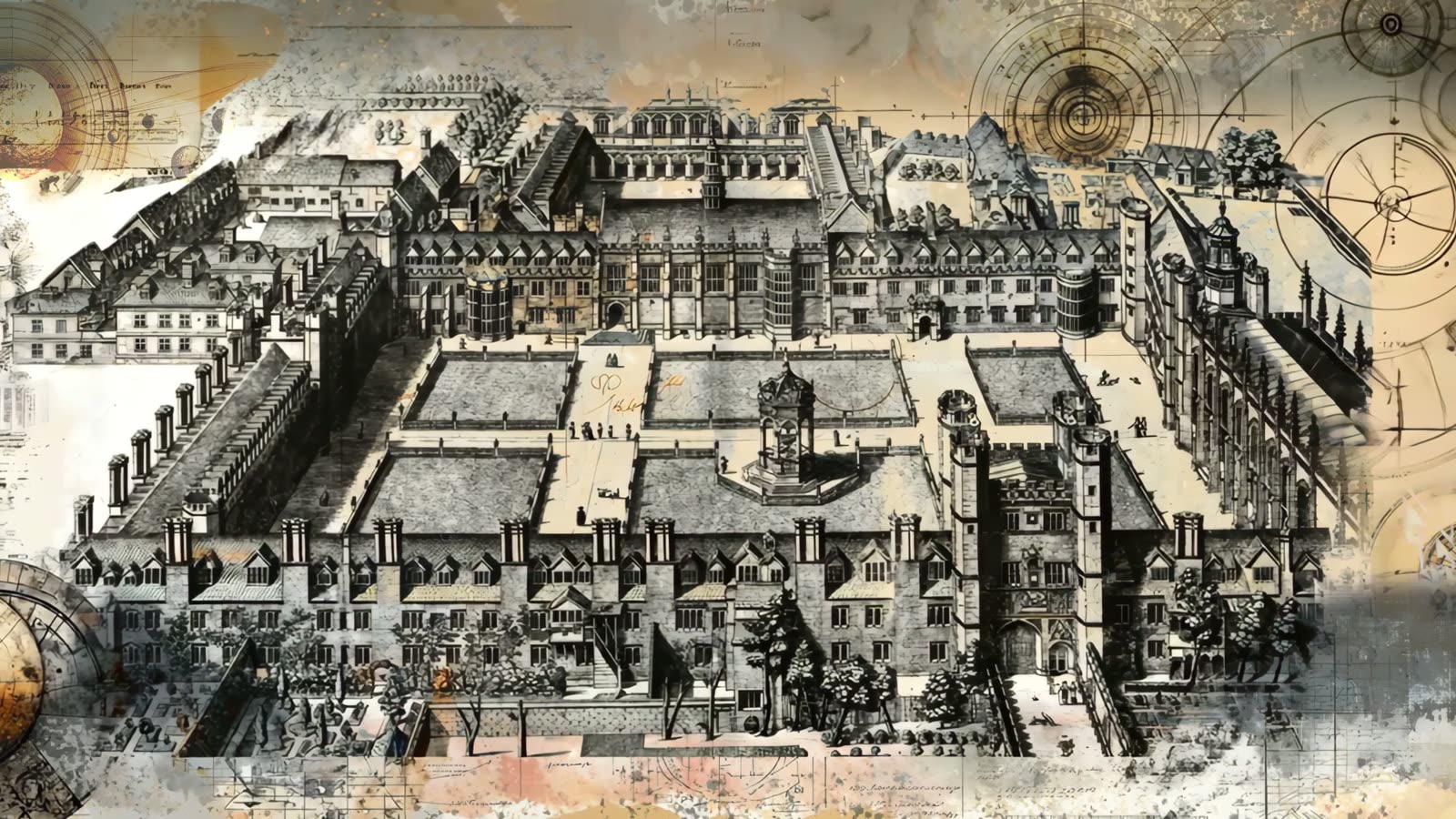
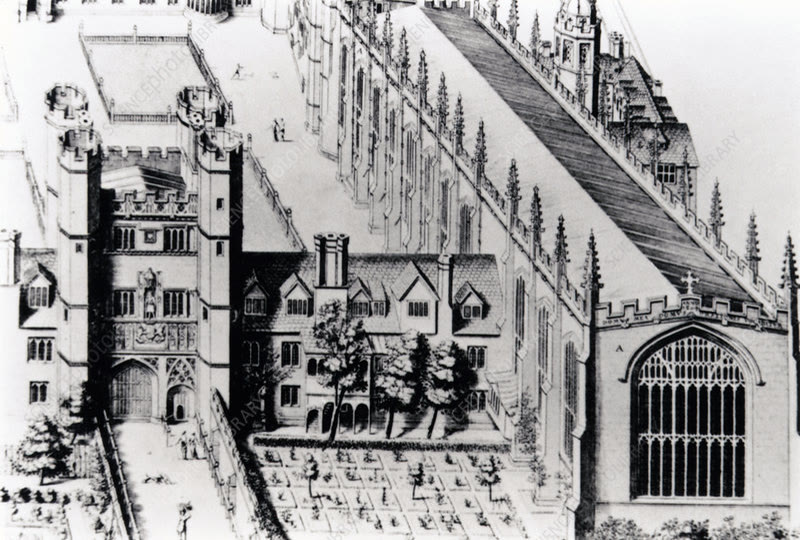
The film is faithful to the period: to its dress, and to Cambridge as it looked. It opens on an engraved bird’s-eye view of Trinity College and brings it to life. Real objects enter it too: Wickins’s notebook, and the reflecting telescope the two built together.
About the laureate
Dmitri Levitin is a historian of premodern knowledge, a Research Fellow of All Souls College at the University of Oxford and affiliated with the University of Utrecht. His books Ancient Wisdom in the Age of the New Science (Cambridge University Press, 2015) and The Kingdom of Darkness (Cambridge University Press, 2022) were both Times Literary Supplement Books of the Year. The Dan David Prize selection committee described him as one of the leading intellectual historians of the early modern period, noting the impressive breadth of his scholarship and his ability to join together different strands of intellectual history.
The Dan David films
Each year the Foundation chooses, with the laureate, the subject of the film they are honoured for, and we turn it into script, image and motion. The laureate sees it for the first time on the evening of the prize — on the big screen, in a room full of people who have come to honour them. Afterwards the films go out on social media, YouTube, Facebook, LinkedIn and more, and on the Foundation’s own site, beside the committee’s reasoning and the laureate’s interview, and some laureates carry them into their own classrooms, to show what it is they work on.