Dan David Foundation · 2026 · Prize ceremony & social media
On Andrew Lipman, and a hunt neither side could manage alone.
A three-minute tribute on a historian of the early American coast, and on the forty years of failed colonial whaling that ended only when Long Island settlers began working with their Montaukett, Corchaug and Shinnecock neighbours.
- Client
- Dan David Foundation
- Subject
- Prof. Andrew Lipman, Barnard College
- Direction
- Daniella Koffler
- Animation
- Oren Hen
- Year
- 2026
The subject
Andrew Lipman is a Professor of History at Barnard College and a historian of early America and the Atlantic world. His first book, The Saltwater Frontier: Indians and the Contest for the American Coast (Yale University Press, 2015), won the Bancroft Prize in American History. His second, Squanto: A Native Odyssey (Yale University Press, 2024), won the PROSE Award in Biography. His work is about the sea: how Native and European people met, competed and worked on the water, and how the coast itself shaped colonial America.
The Dan David Prize selection committee lauded “Lipman for his imaginative approach to the history of the early Americas, and noted the way he navigates profound archival silences to recover Indigenous voices through a unique blend of creative biography and environmental history.”
The aim
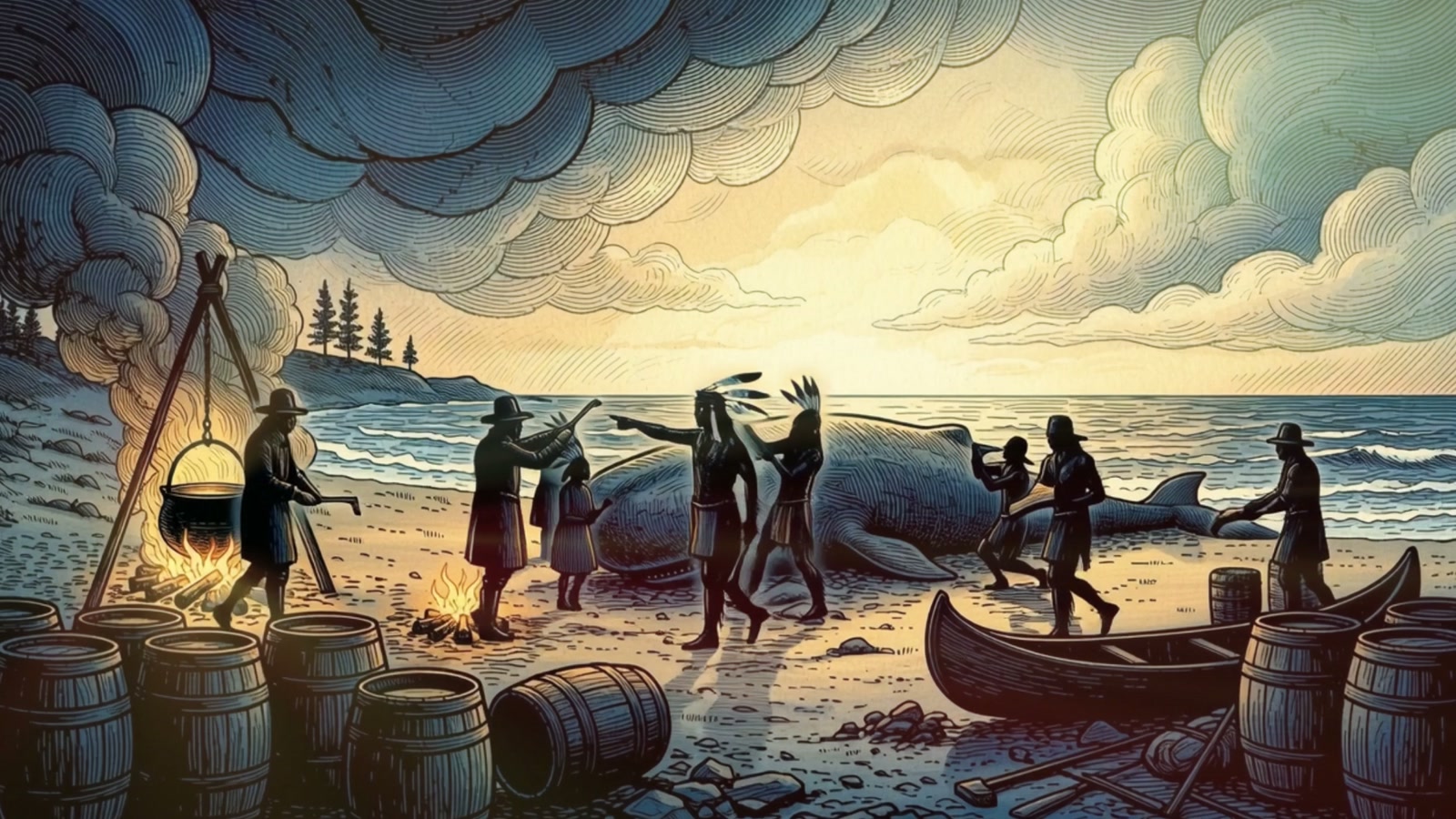
For roughly forty years, colonists in the Northeast tried to start a shore whaling industry and failed. The Dutch set up a station in Delaware Bay in 1634 and struck seventeen whales in four months — ten of which swam away. English ventures in Connecticut and on Long Island declared their intent to hunt and produced no oil at all. Then, in the late 1660s, Long Islanders suddenly began filling barrels. What changed was that they started working with their Montaukett, Corchaug and Shinnecock neighbours.
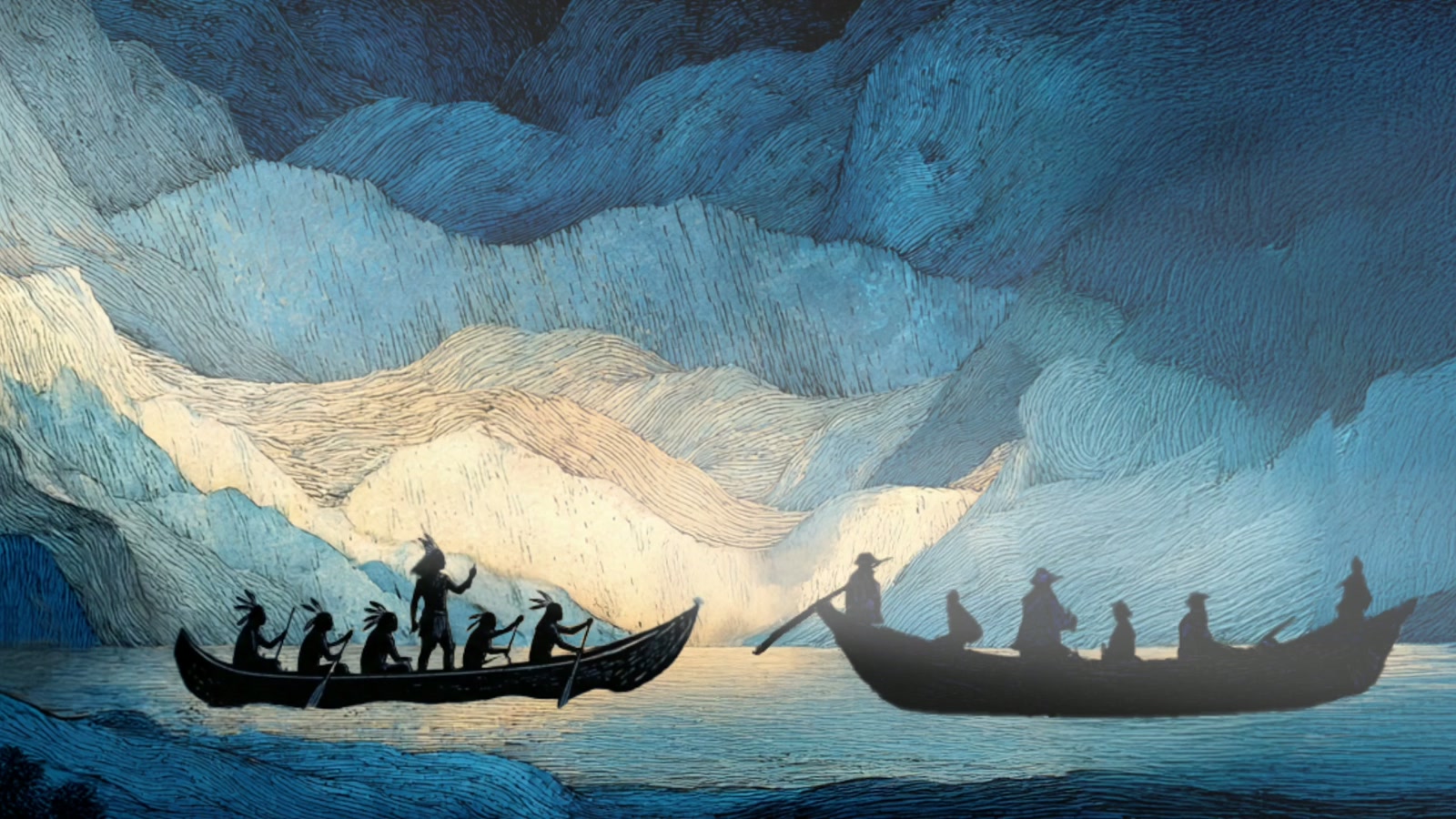
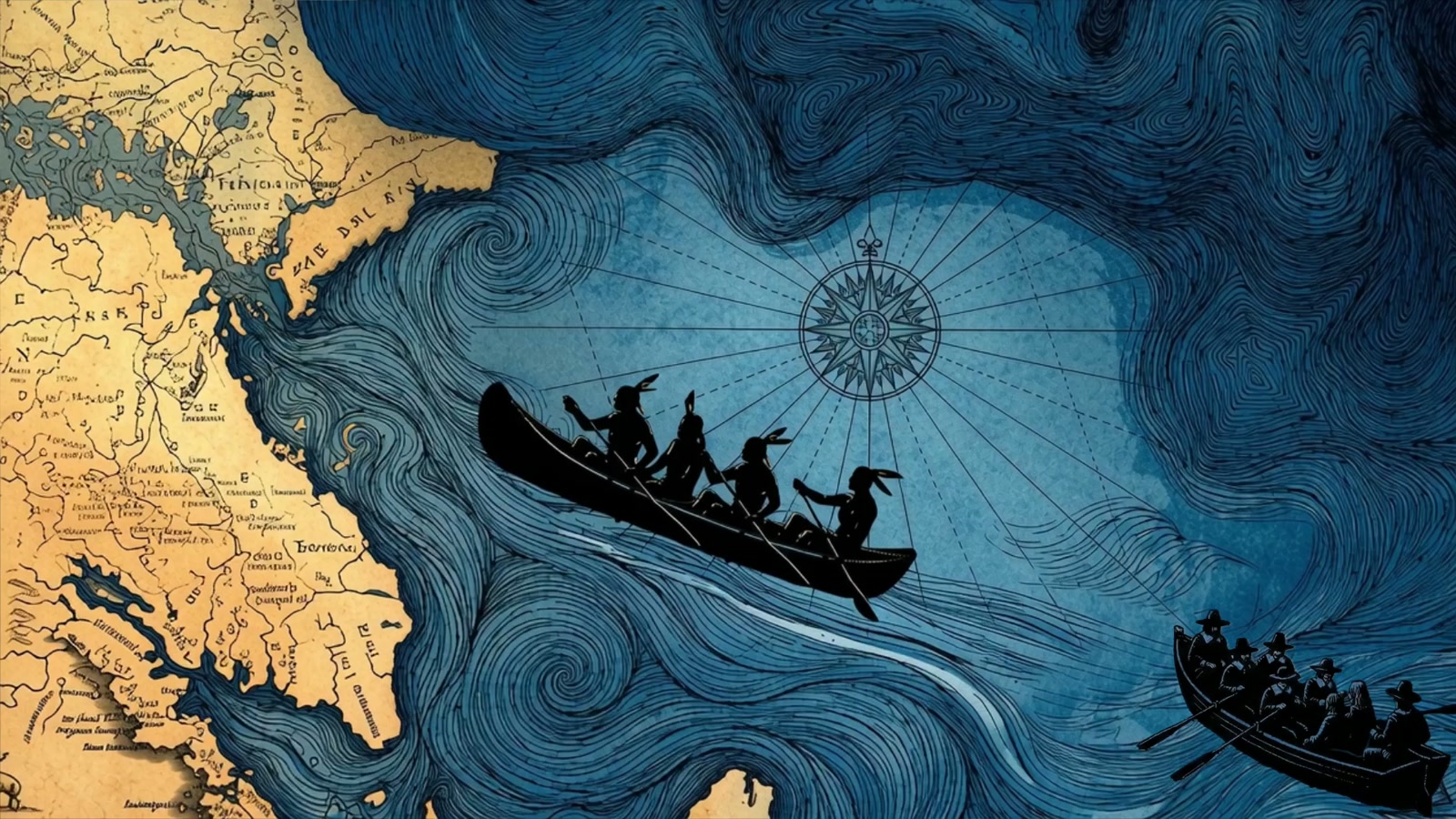
The sea hunt required knowledge of migration routes and feeding grounds, the patience to wait for a whale to surface, the confidence to launch a small boat through surf, the ability to find land without instruments, and the endurance to row a carcass home. Every one of those was a traditional strength for Native seafarers and a point of weakness for European mariners. The film is about working together: each side brought something the other did not have, and neither could have done it alone.
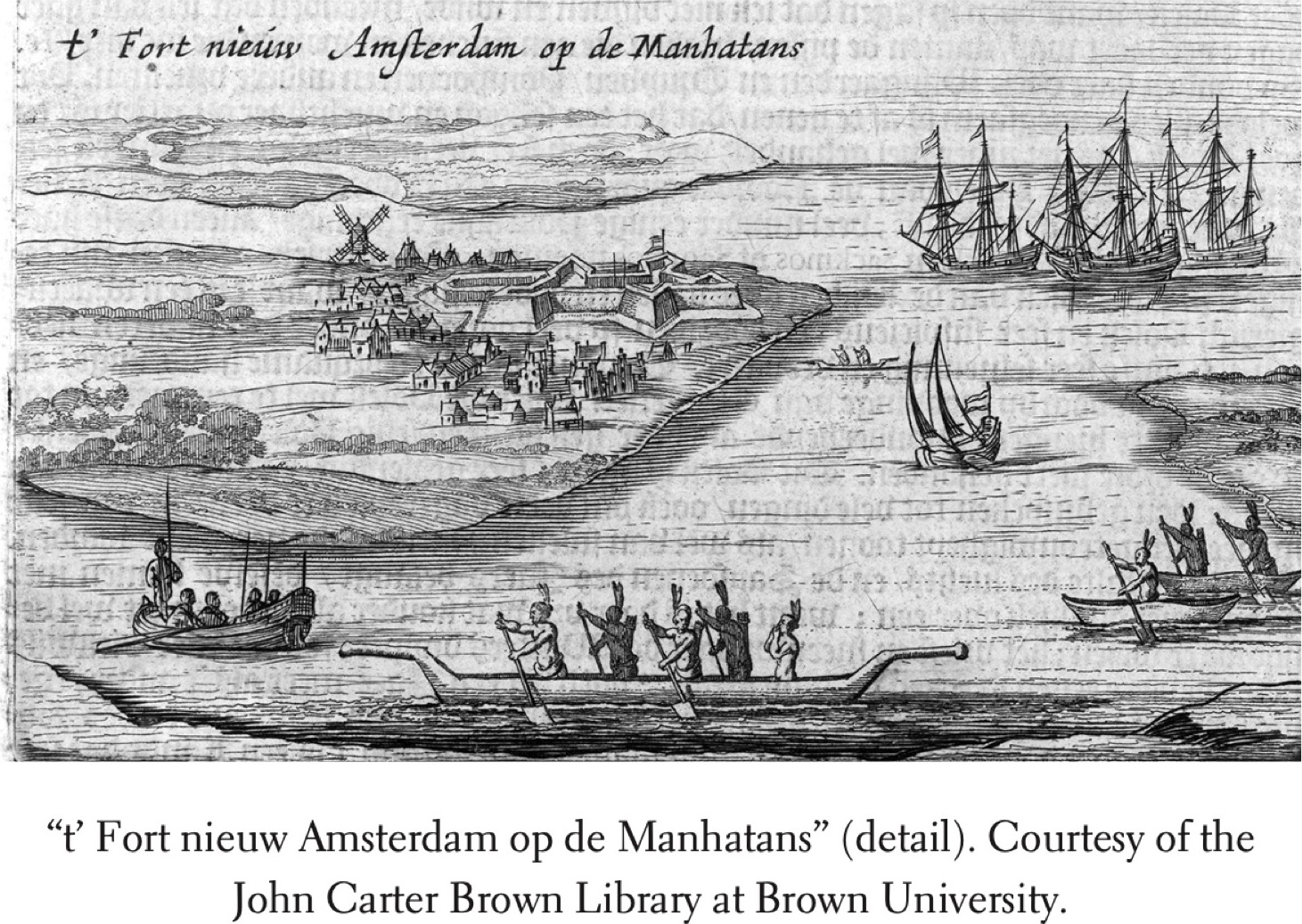
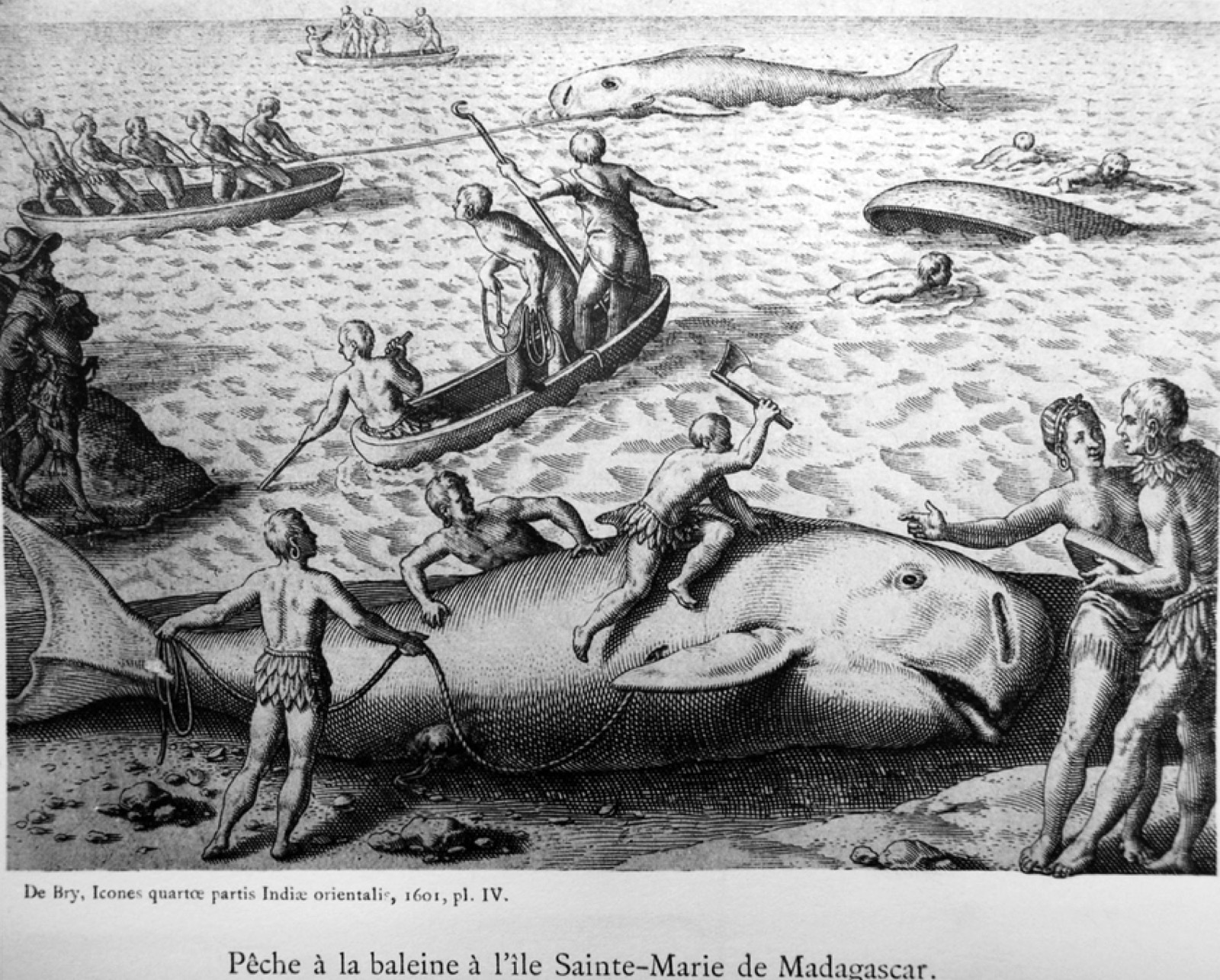
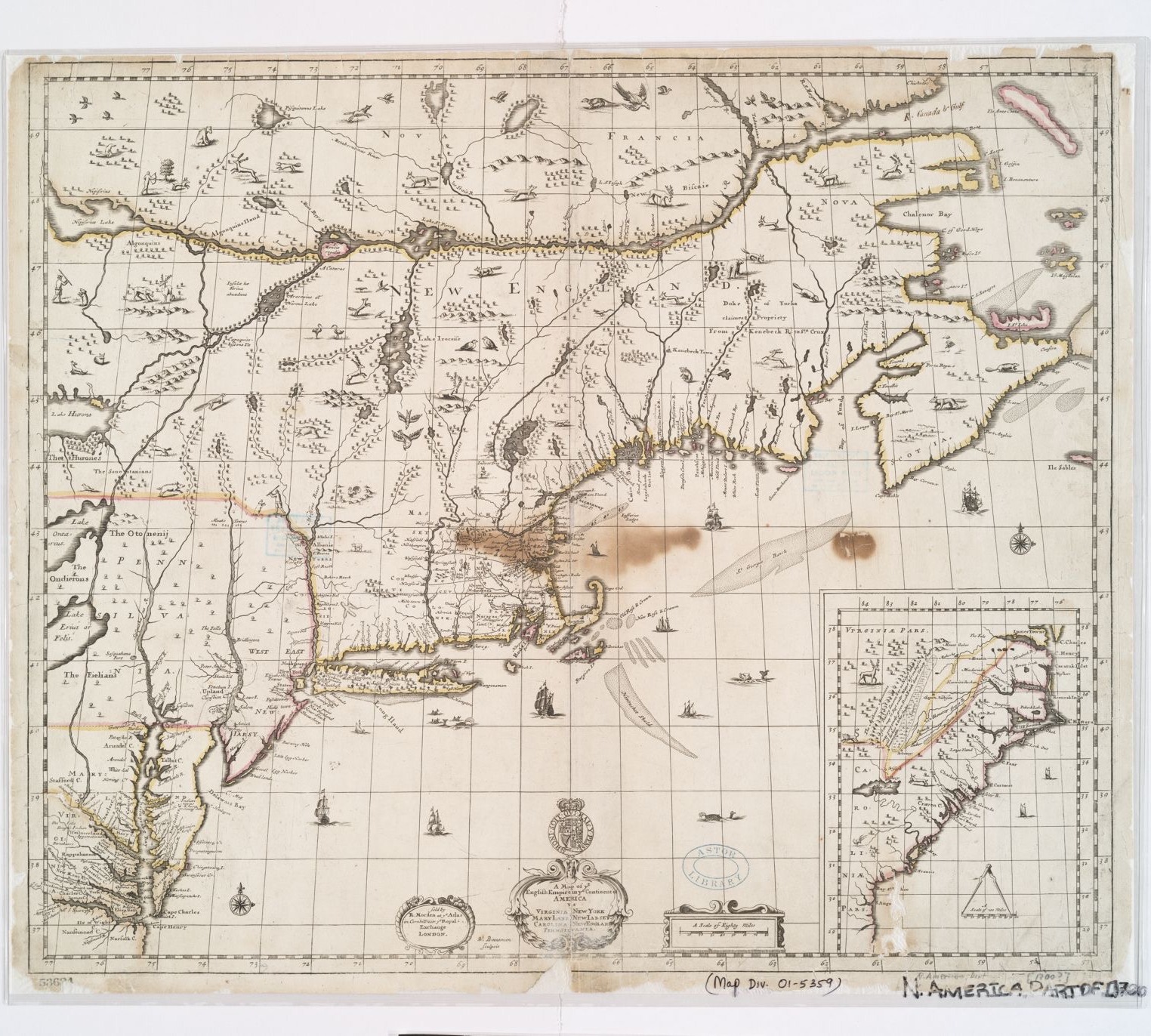
Everything in the film is drawn from the sources shown on this page, the maps and the period illustrations, one to one.
The Dan David films
Each year the Foundation chooses, with the laureate, the subject of the film they are honoured for, and we turn it into script, image and motion. The laureate sees it for the first time on the evening of the prize — on the big screen, in a room full of people who have come to honour them. Afterwards the films go out on social media, YouTube, Facebook, LinkedIn and more, and on the Foundation’s own site, beside the committee’s reasoning and the laureate’s interview, and some laureates carry them into their own classrooms, to show what it is they work on.