Yad Vashem · Our Story · 2020

By the Sea

Saul Oren tried to save his younger brother Moshe in Auschwitz, and believed he had failed him. Years later, in Israel, he learned that Moshe was alive.

Client
Yad Vashem, the World Holocaust Remembrance Center
Project
Our Story, twelve films by six filmmakers
Direction, art direction & screenplay
Daniella Koffler
Music & sound
Eitan Shefer
Runtime
3 min · Hebrew
Kind
Testimony film
Saul Oren

Saul and his younger brother Moshe reached Auschwitz together. A German officer took nineteen young boys out of the line, the two of them among them, and for seven weeks they did not know why. When Moshe fell ill with a high fever, Saul asked the SS man in charge of his block to let him stay behind in Auschwitz. He understood his mistake at once, and could not undo it. The boys were sent on to Sachsenhausen, and Moshe was not with them.

The film is about the agony of a brother who tried to save his younger brother and felt that he had failed, a feeling that stayed with him for much of his adult life. It shows what happened before, and what he felt when he learned that Moshe was alive. When we met him he was a gentle man who told his testimony carefully.
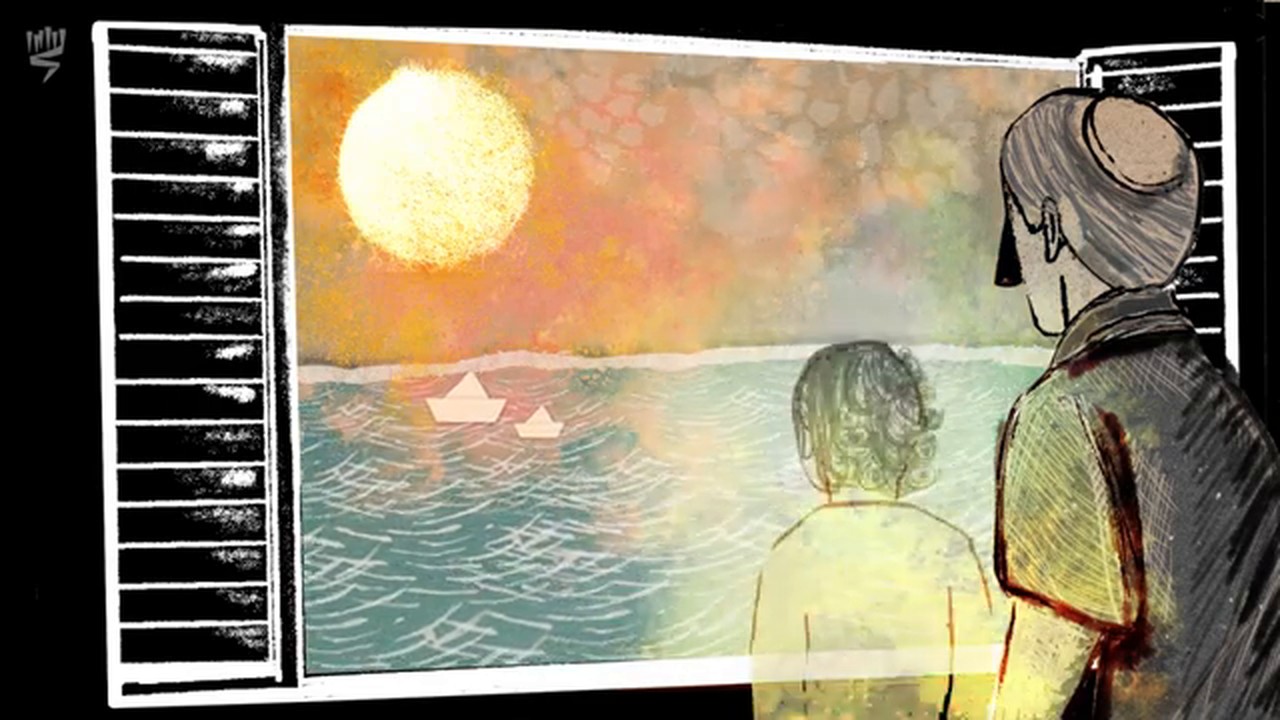
Film still: an old man in a skullcap at a window over the sea, the boy he was standing beside him
The film opens

“As if they were alive before him.”

“A man sees things he knew long ago, and he sees them as if they were alive before him. And that is what happened to me.” Saul, old, at a window over the sea, and beside him the boy he was.

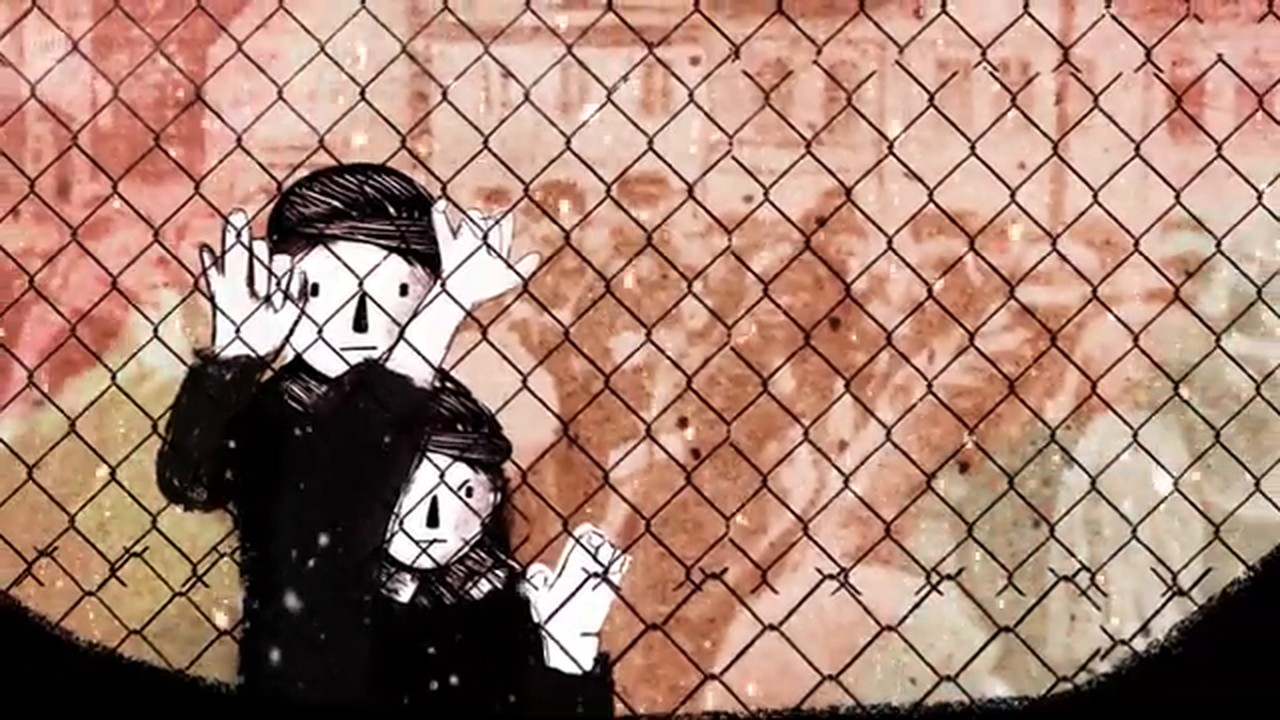
Film still: two boys at a wire fence, the older one holding the younger close
The brothers

“Moshe, my brother, and I.”

Two boys at the wire, the older one holding the younger. “In the evening we arrived in Auschwitz.”

Auschwitz

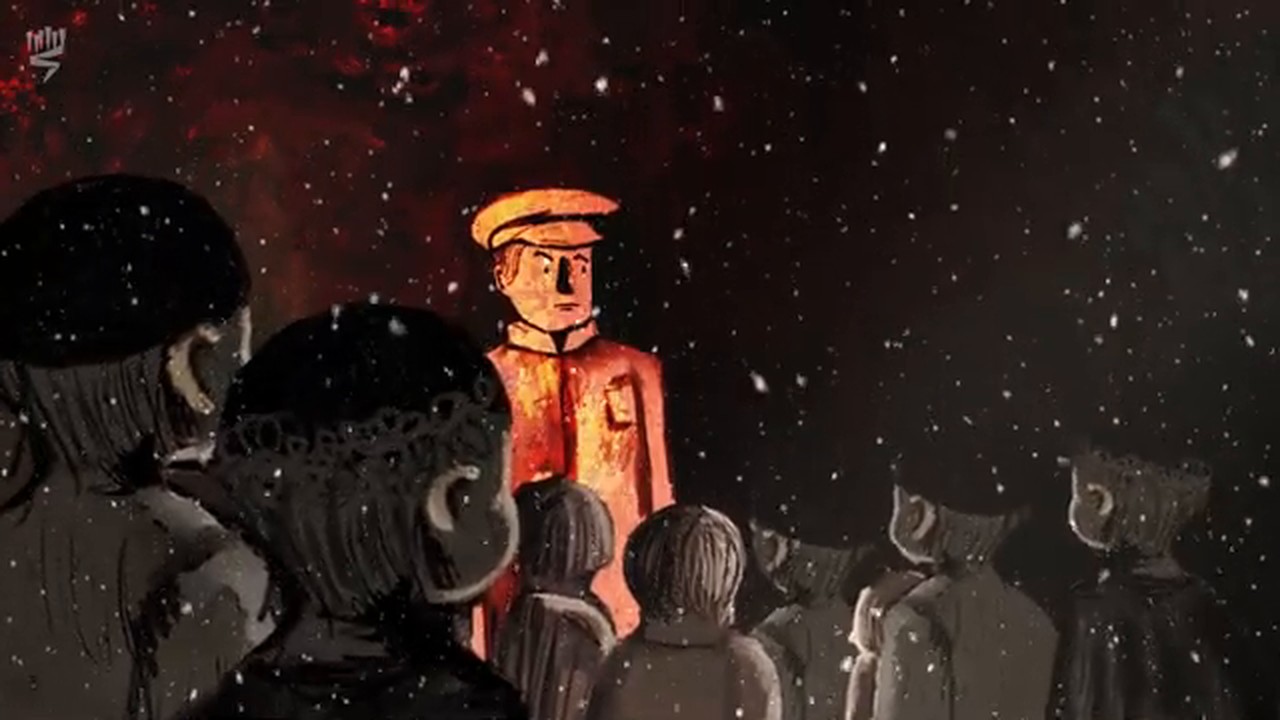
“We noticed that a German officer was asking young children questions.” The film draws the night of the arrival in snow, dark ink and the red glow of the officer.

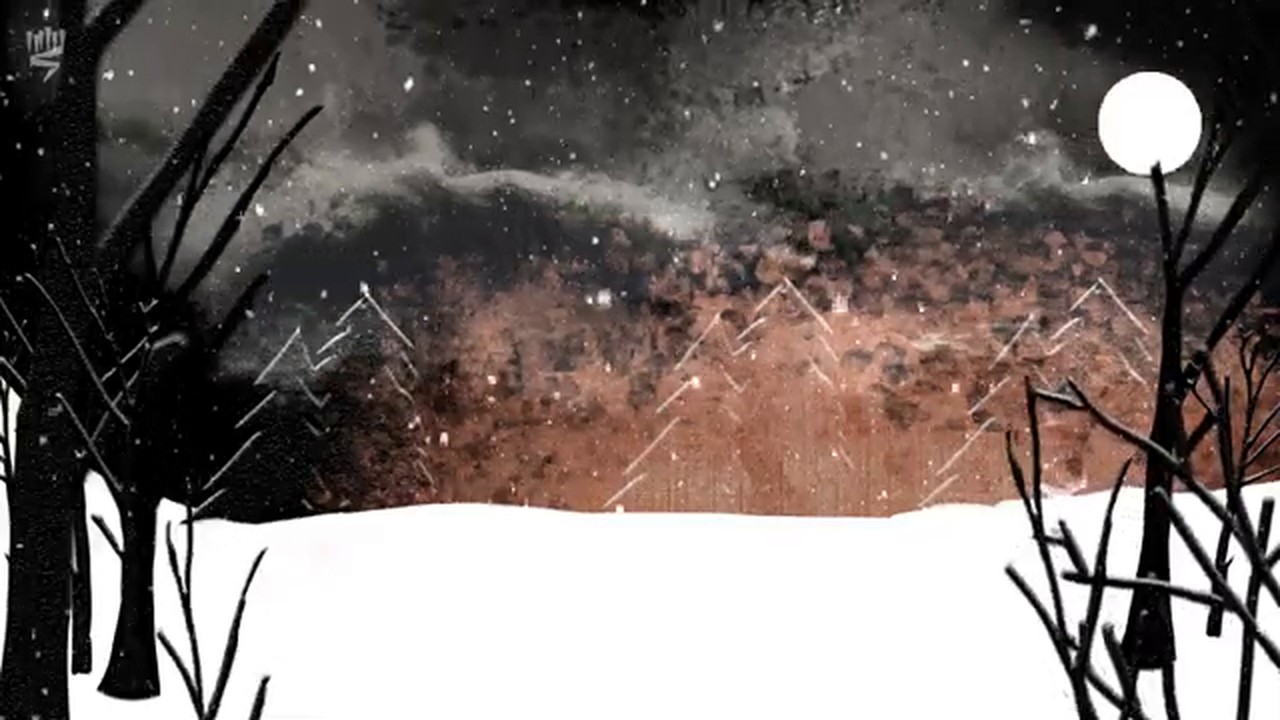
Film still: a train crossing a snowy plain at night under a full moon
The train, at night, in the snow.
Film still: a German officer lit in red among dark figures in the snow
The officer, among the children.
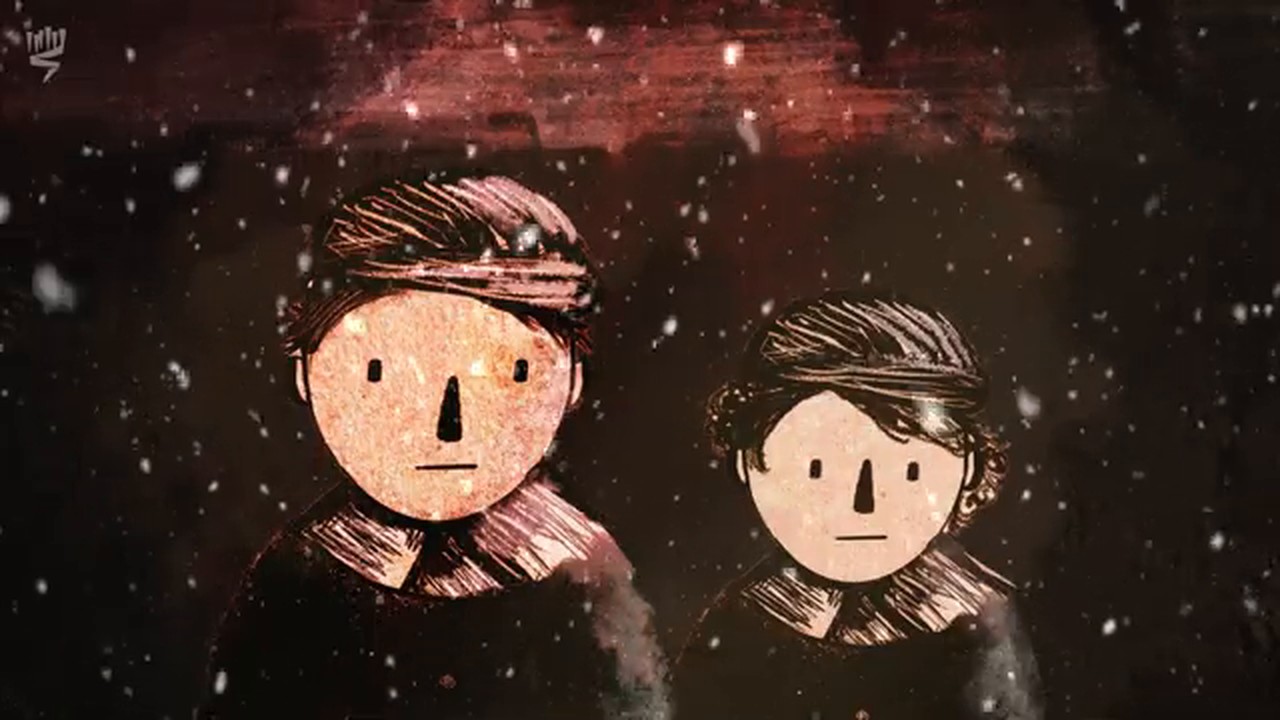
Film still: the faces of two young brothers in the snow
Saul and Moshe.
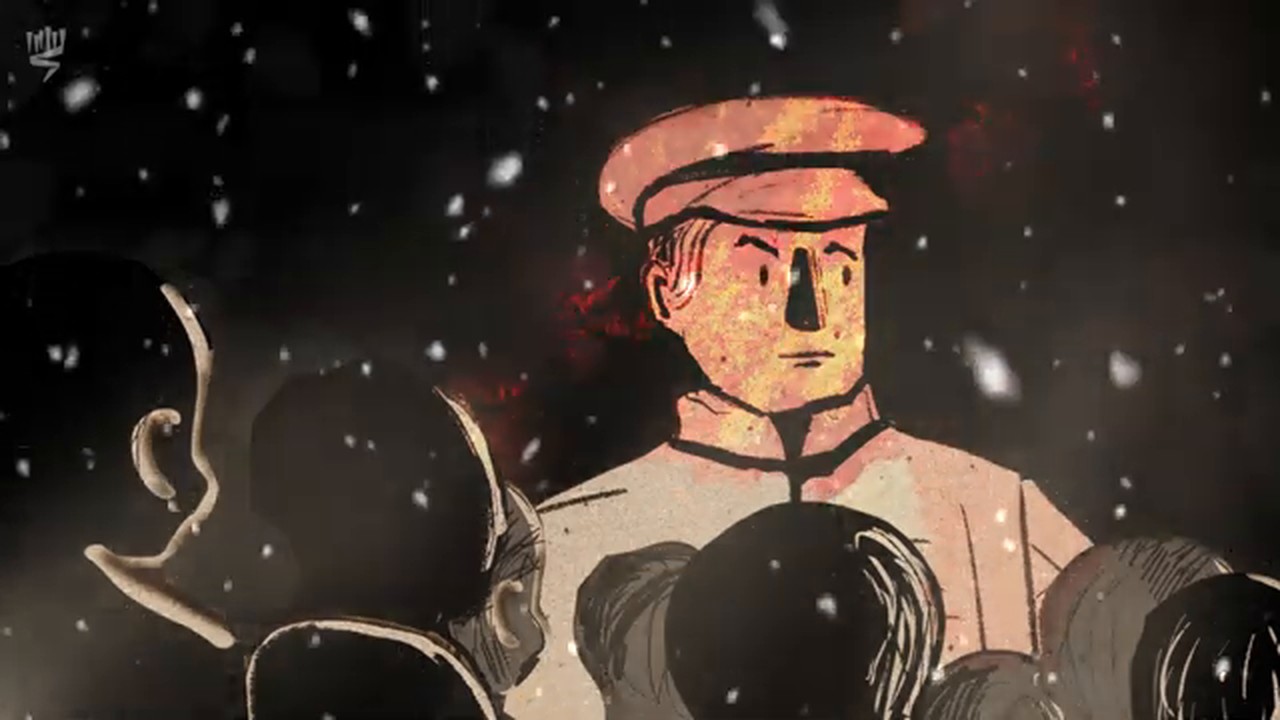
Film still: a German officer in a peaked cap, children around him
“He took out nineteen young children.”
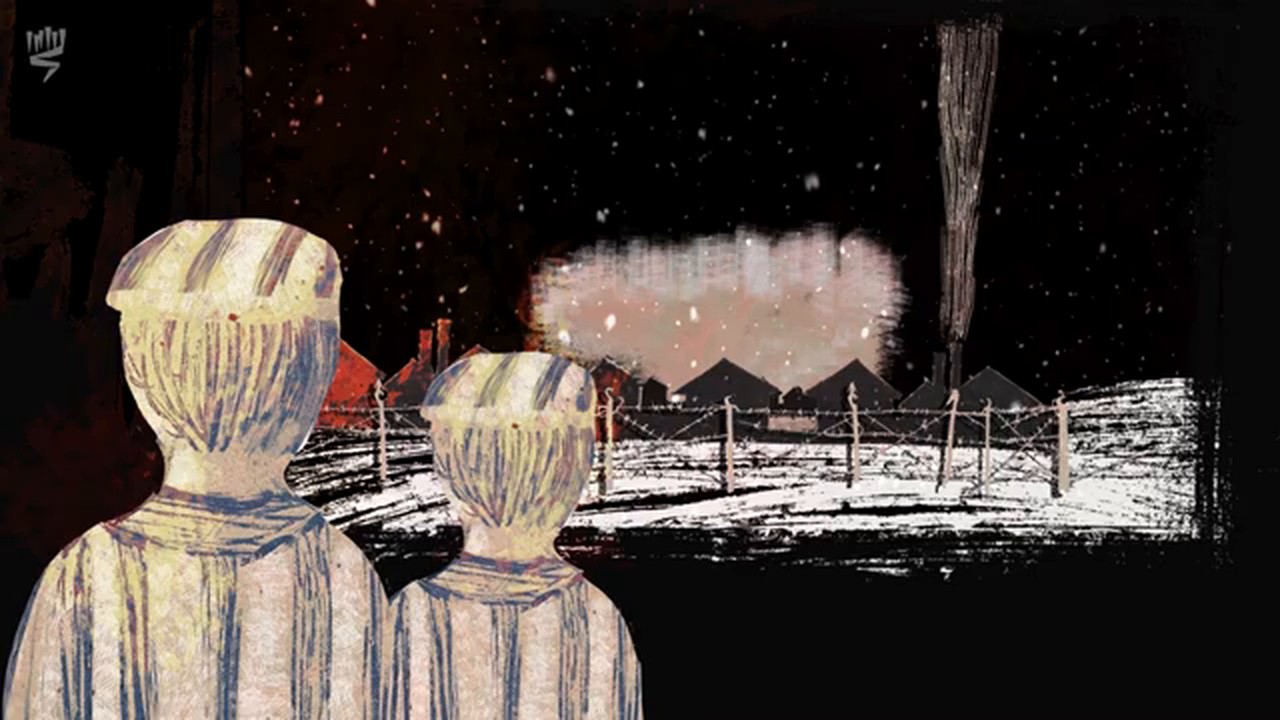
Film still: two boys in striped clothes seen from behind, looking at the camp and a smoking chimney
“And the hunger of Auschwitz began. That hunger cannot be described.”
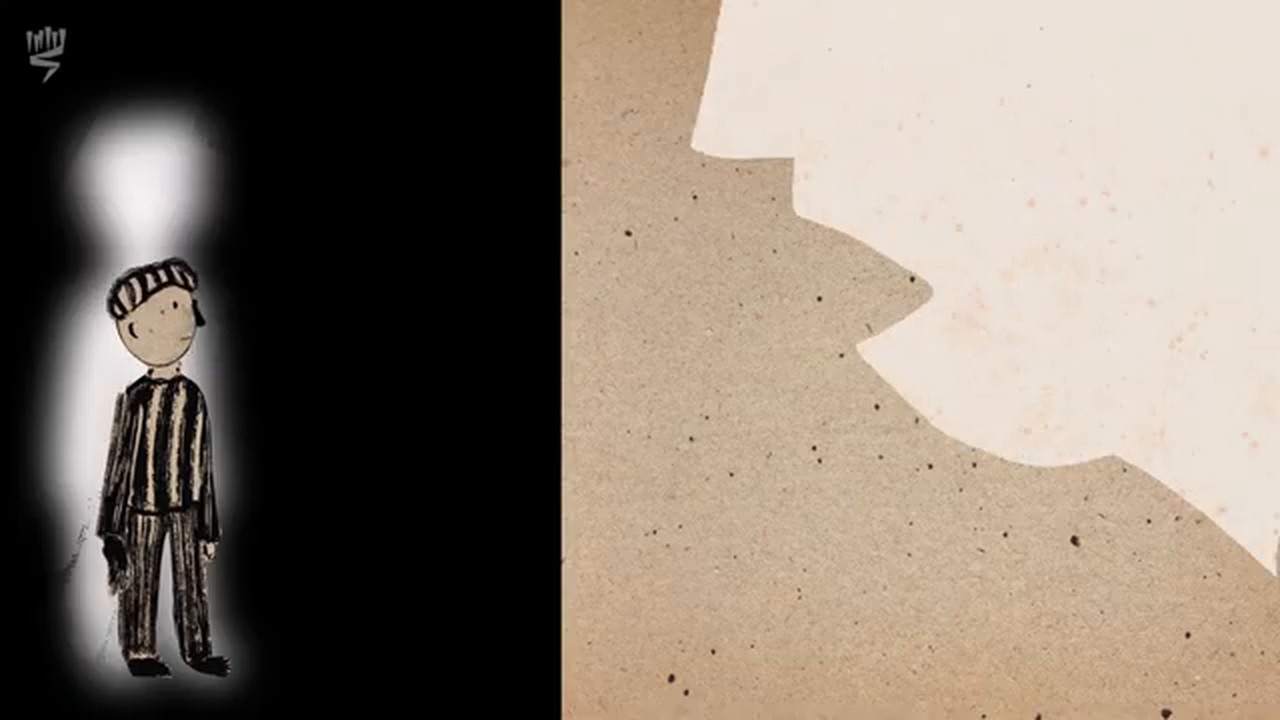
Film still: a small boy in striped clothes standing alone in a column of light
“Seven weeks we were in Auschwitz, and we did not know why they had taken us out.”
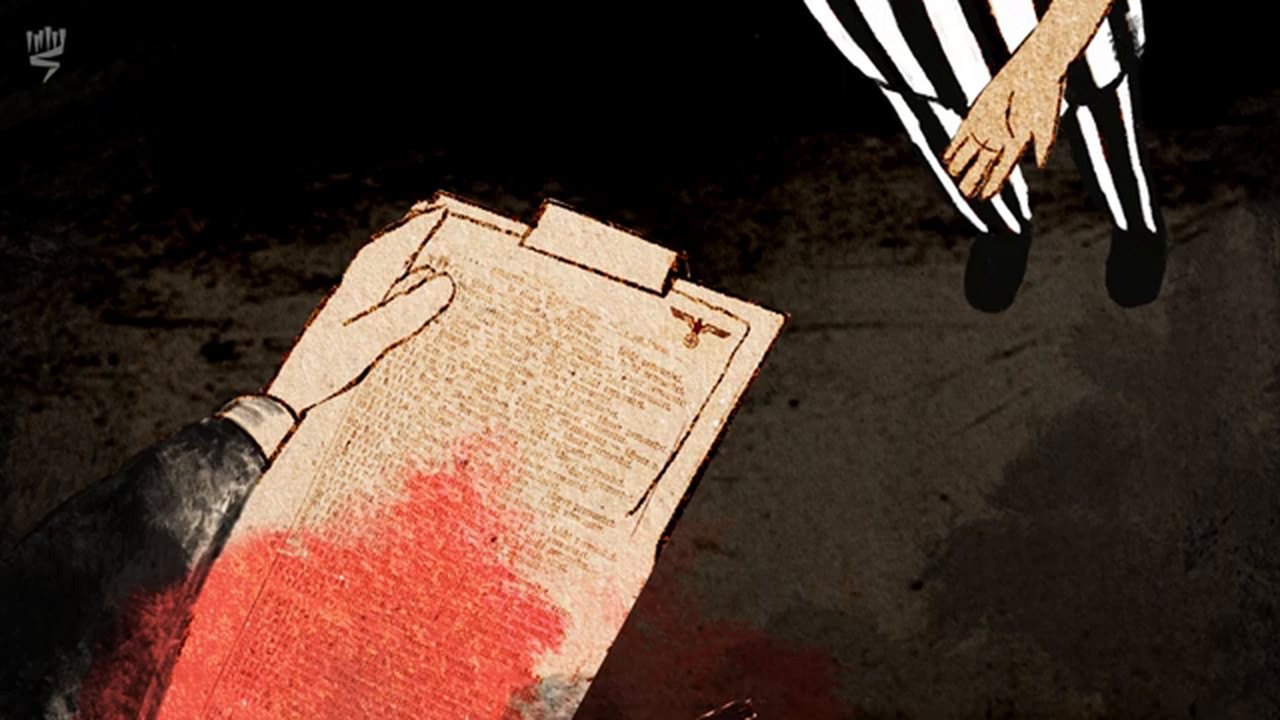
Film still: a hand holding a clipboard with a list, a red stain spreading across it, a prisoner's arm reaching in
The request

“I asked if he could stay.”

“One day my brother Moshe was ill. He had a high fever. So I said, I will use the chance. I asked the SS man in charge of his block if he could stay in Auschwitz.”

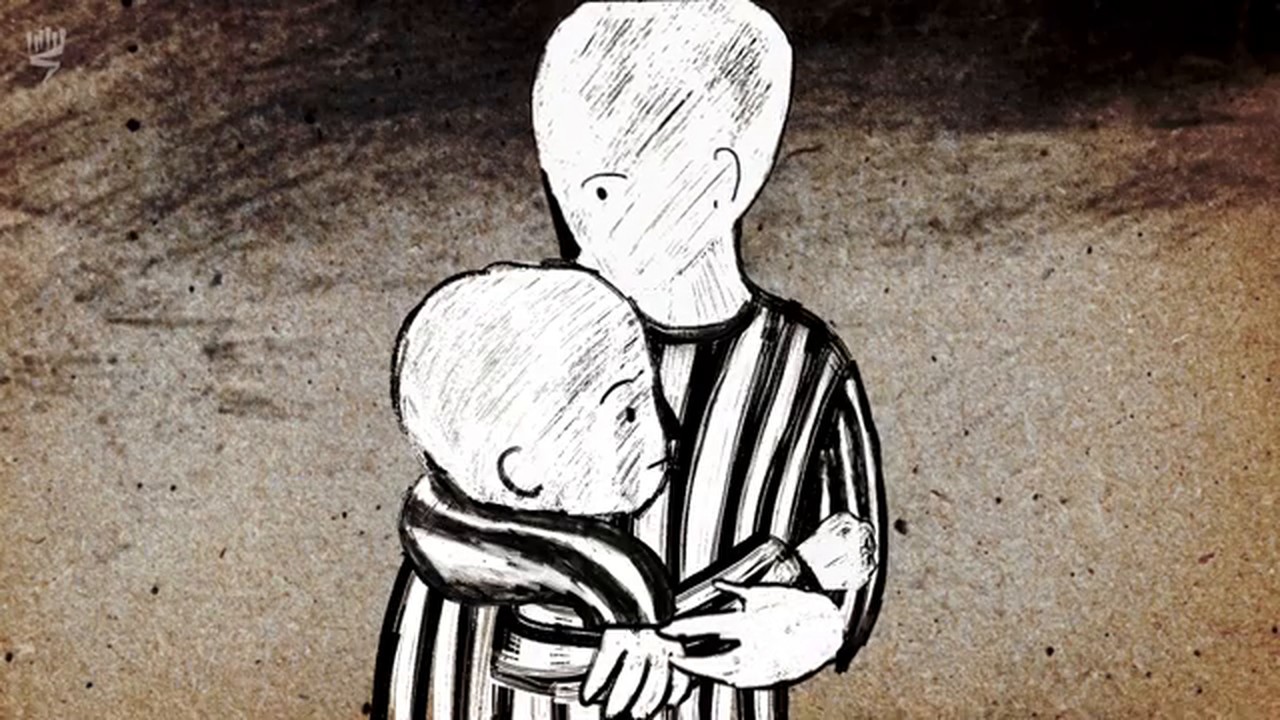
Film still: an older boy in prison stripes holding his younger brother tight
The parting

“I understood my mistake, but I could not fix it.”

The two brothers hold each other, drawn in white line on dark. “He stayed in Auschwitz, and we reached Sachsenhausen.”

Sachsenhausen

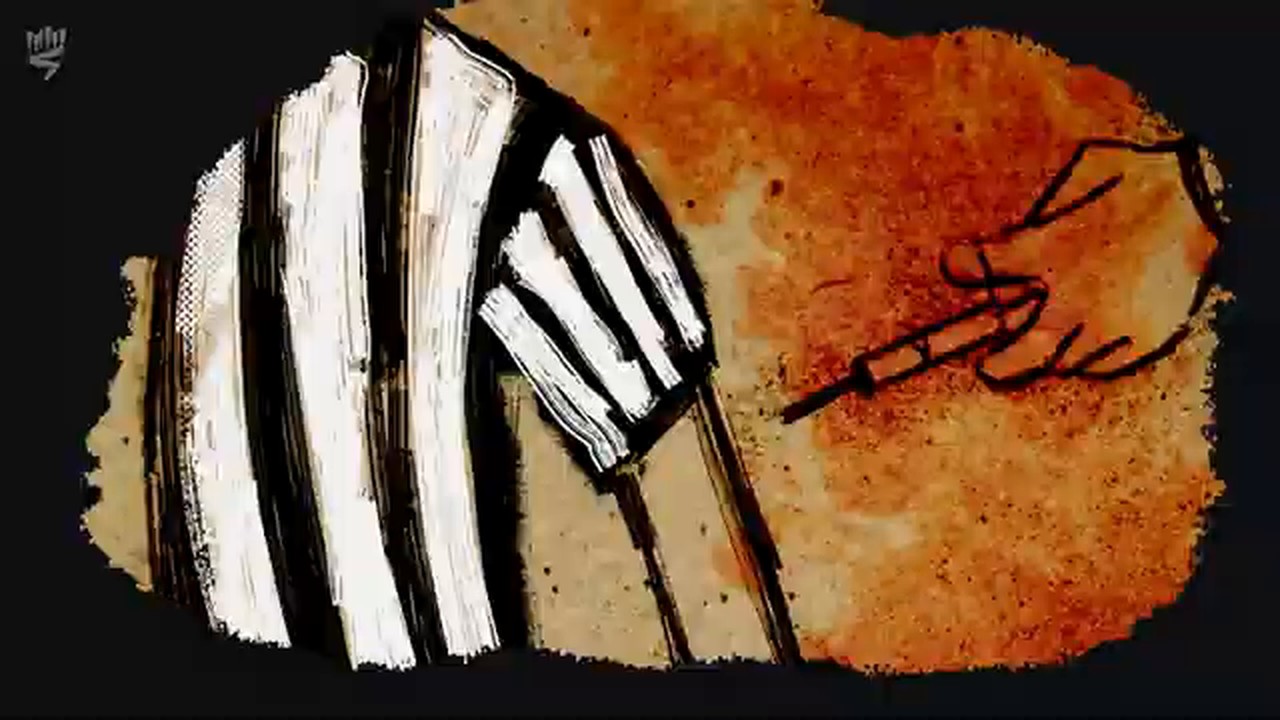
“Straight away they sent us to the hospital. The doctor came: injections, blood tests, injections, blood tests. These were his experiments.”

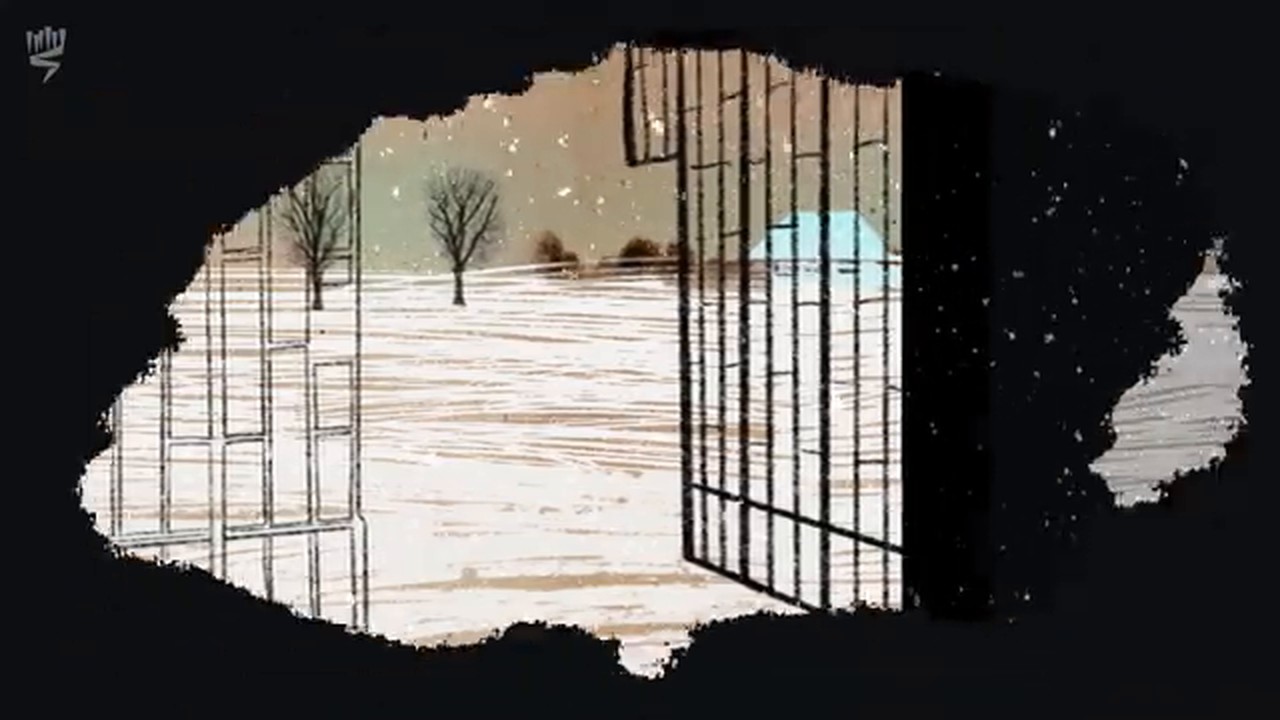
Film still: a camp gate open on a snowy field, seen through a torn opening in the dark
The gate, through a tear in the dark.
Film still: a gloved hand giving an injection into a striped sleeve, on a rust-orange ground
Injections, blood tests.
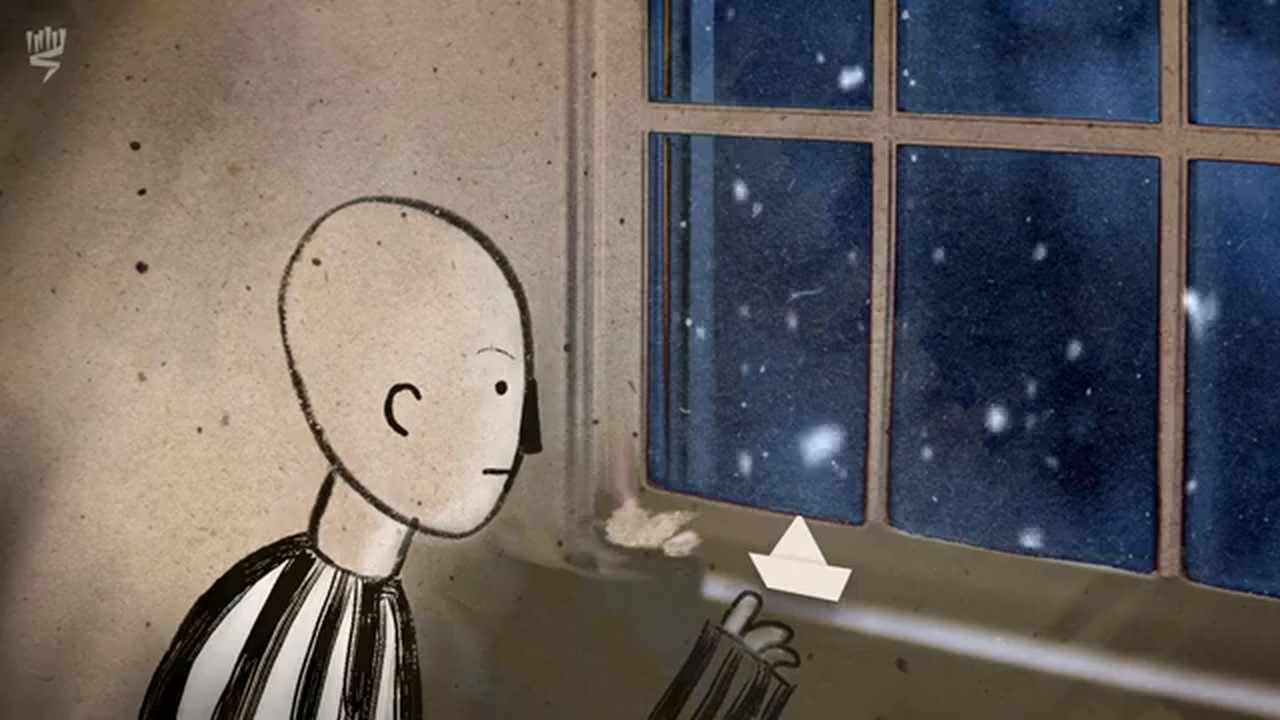
Film still: a boy in stripes at a hospital window at night, snow falling, a paper boat on the sill
“Block 2, Room 51. We did not move from there for almost two years.”
The paper boat

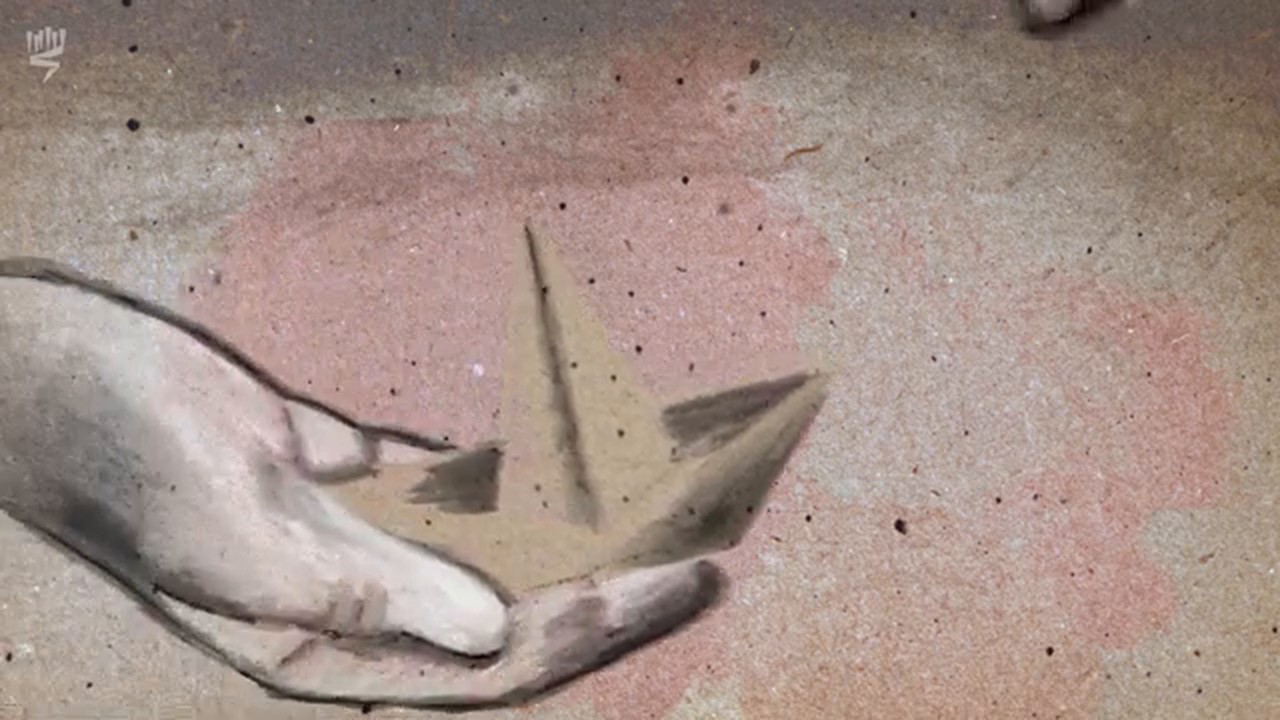
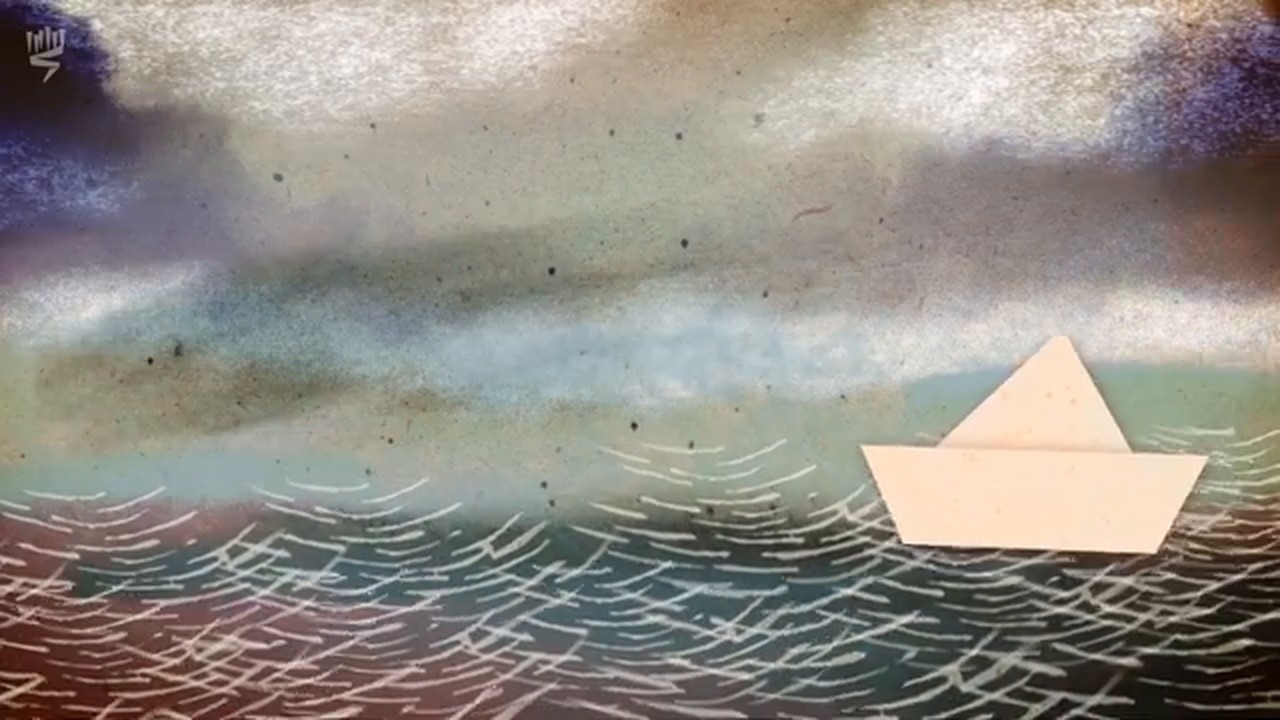
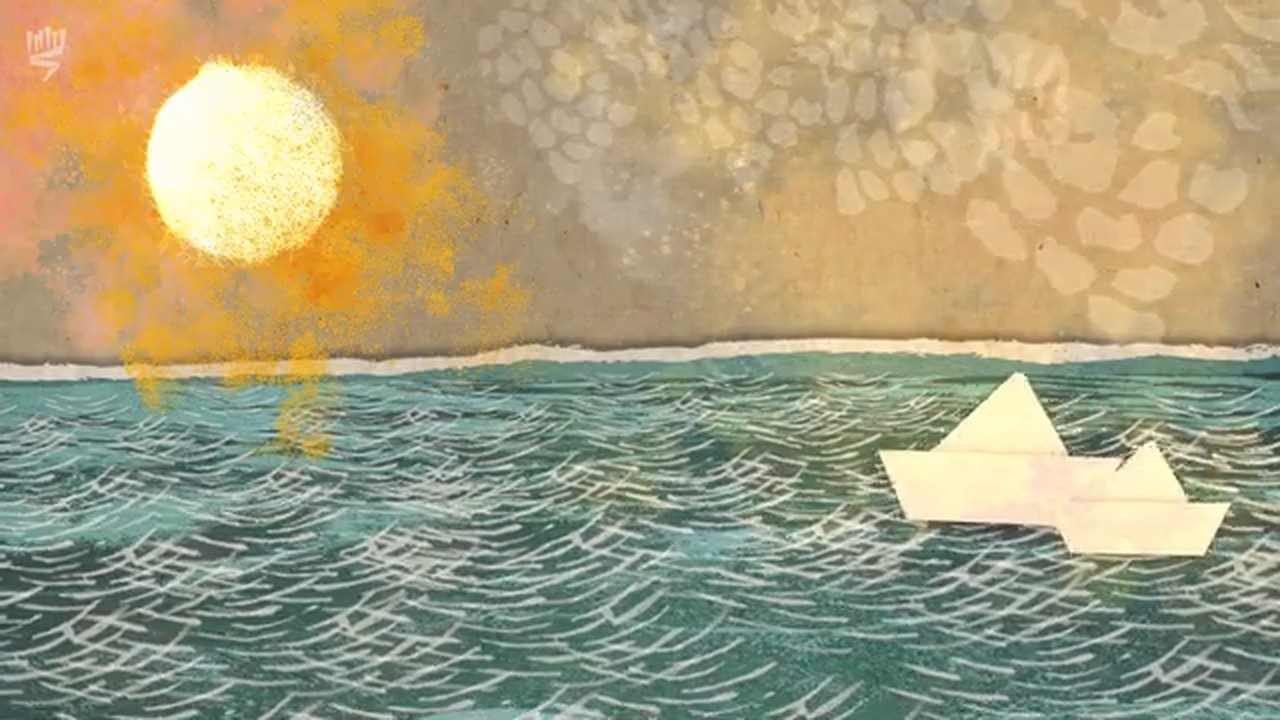
A paper boat runs through the film, from a hand in the camp to the open sea.

Film still: an open hand holding a small paper boat
In a hand.
Film still: a paper boat on a grey, choppy sea
On the sea.
Film still: paper boats on a green sea under a hazy orange sun
Under the sun, at the start and the end of the film.
After the war

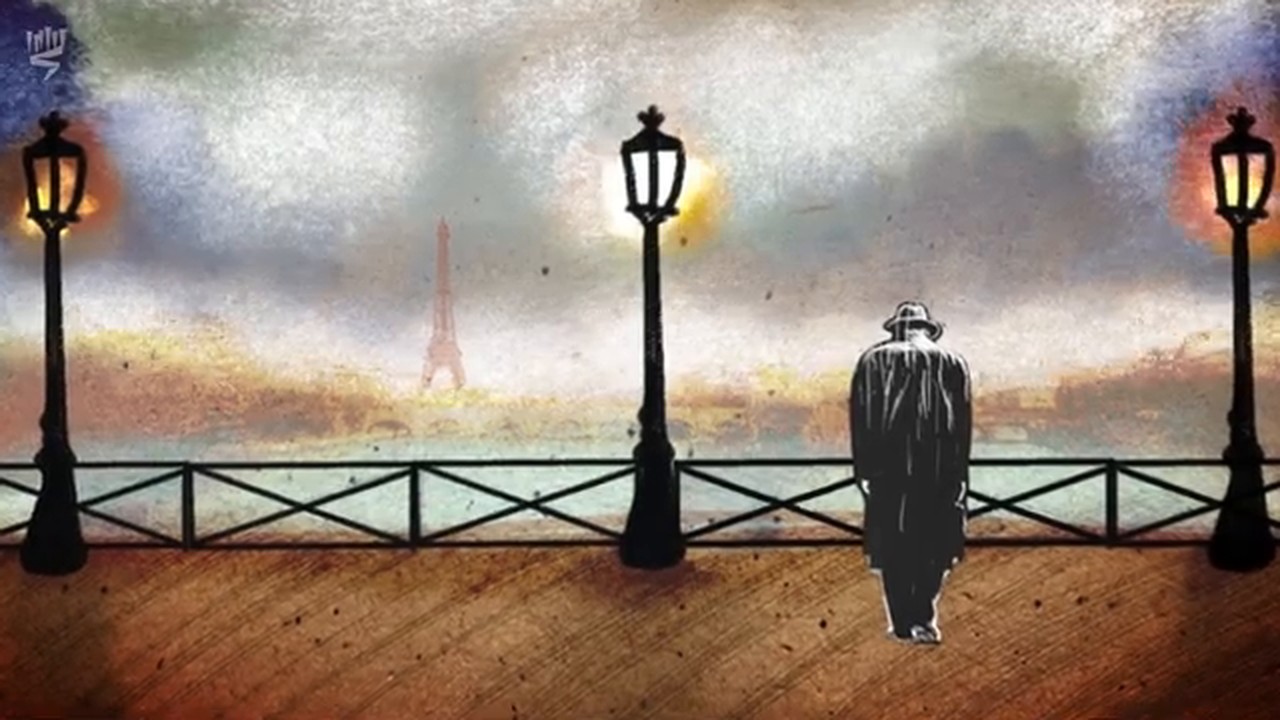
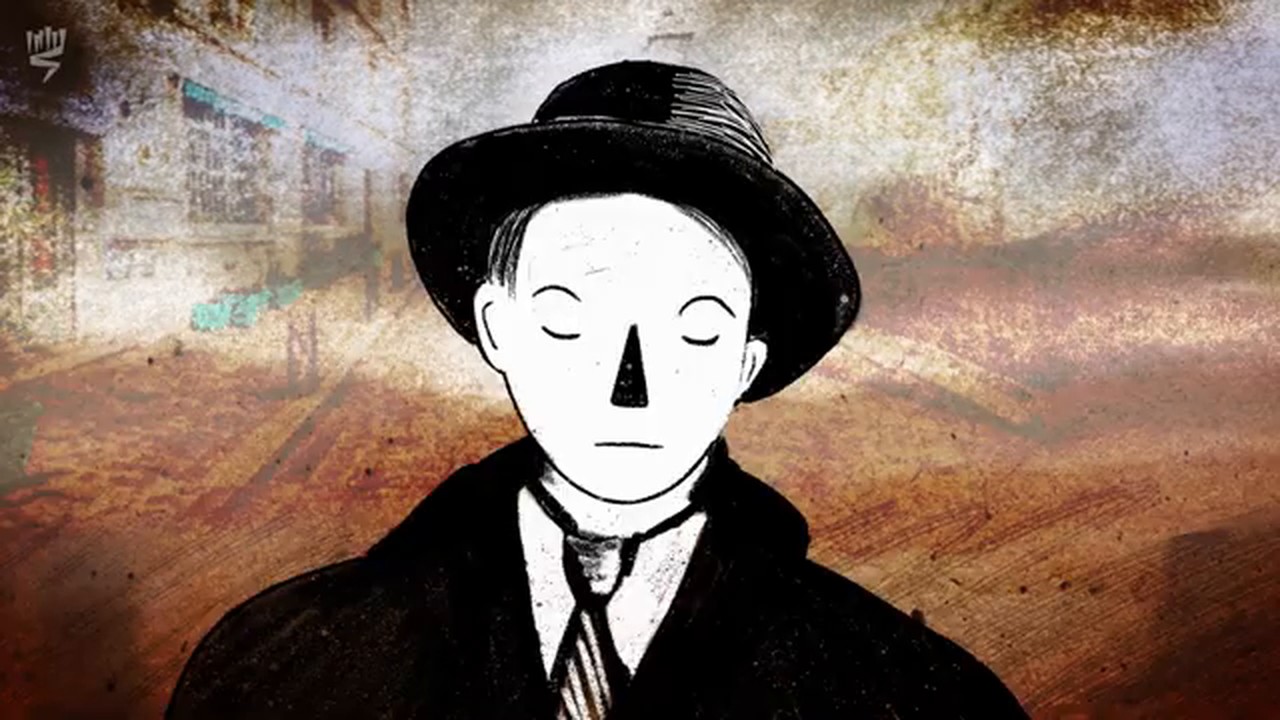
The film carries him on alone: a promenade, a grown man in a hat with his eyes closed, the sea.

Film still: a man walking alone on a promenade lined with lamps, the Eiffel Tower in the distance
A promenade, the Eiffel Tower far off.
Film still: a young man in a black hat and tie, eyes closed
A grown man, eyes closed.
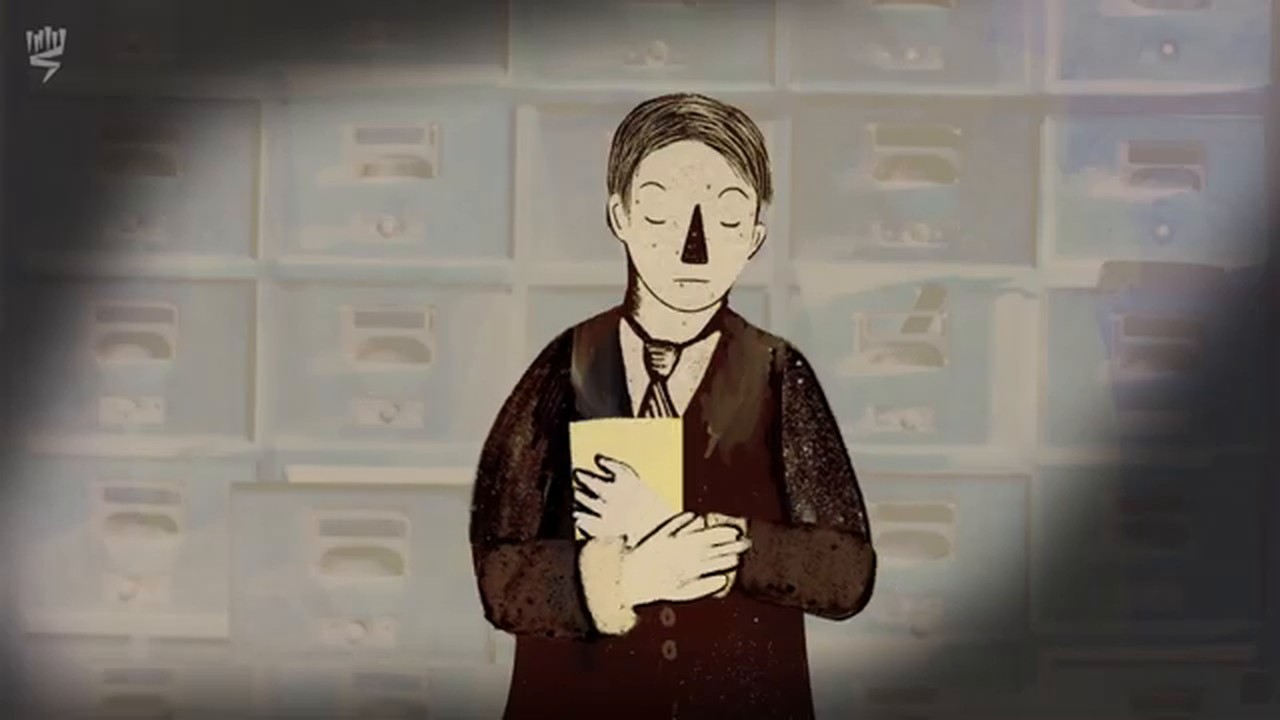
Film still: a young man in front of a wall of card drawers, holding a card to his chest
Jerusalem

“The next card, Moshe’s card.”

“I came to Israel, and in Jerusalem I looked for the office that searches for relatives. There were cards, cards, cards. I come to a card where I find myself, and the next card is Moshe’s.”

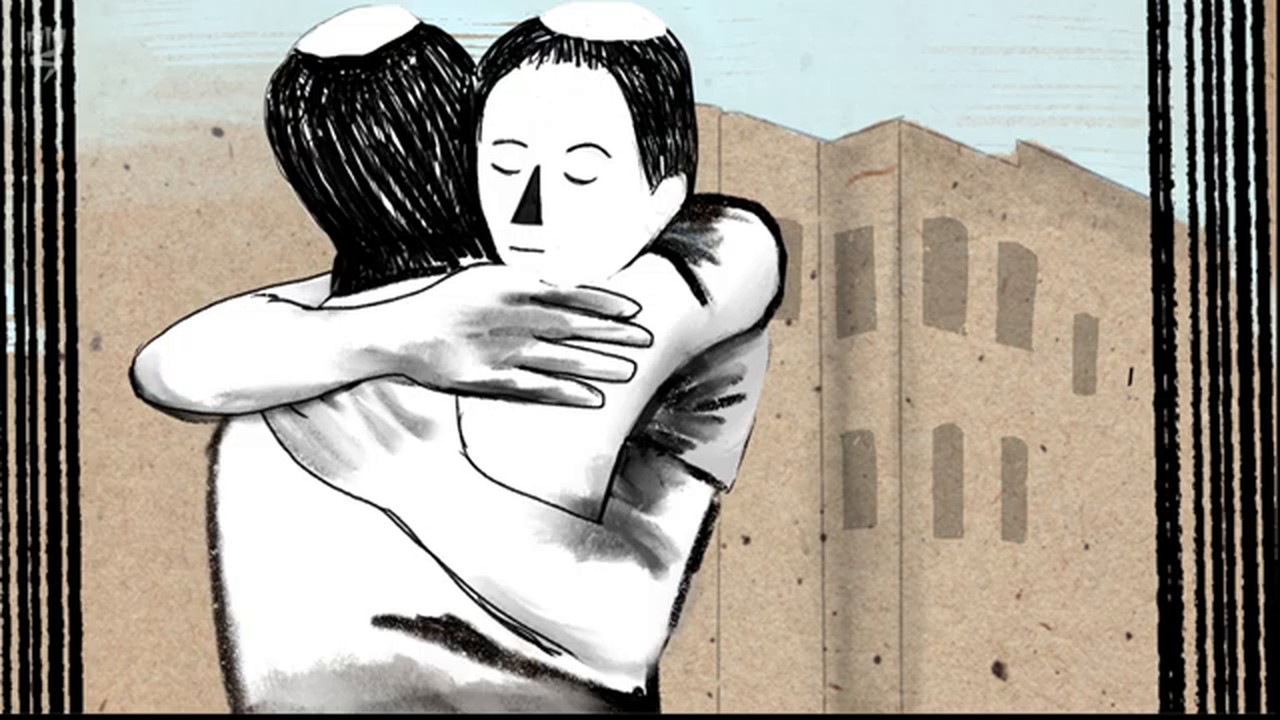
Film still: two men in skullcaps holding each other tightly in front of a building
Haifa

“Your brother Moshe is alive.”

“I searched and searched, until I found my cousin Yeshaya. He lived in Haifa. And straight away he told me: your brother Moshe is alive. He is in Akko. On Sunday we will go and see him.”

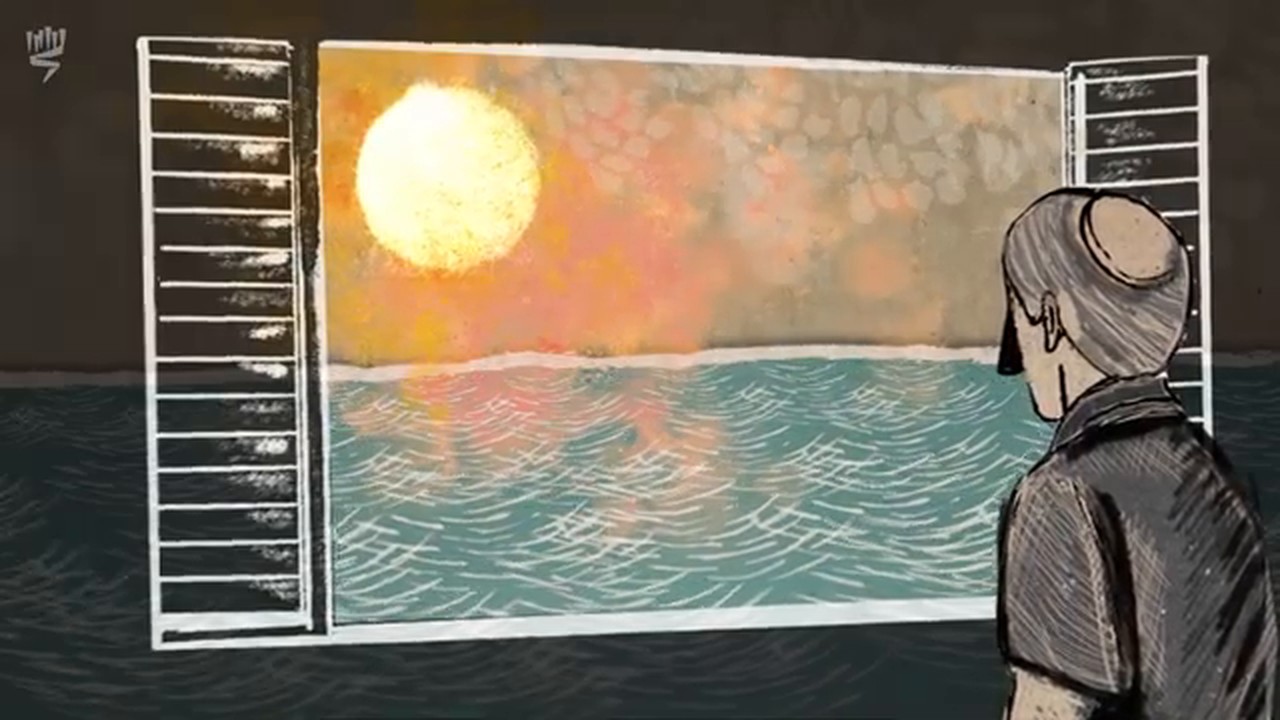
Film still: an old man in a skullcap at a window over the sea under a hazy orange sun
The close

Facing the sea.

“Everything that was in the past came back. And I sit facing the sea, and know that Moshe is alive, and that we will see him on Sunday. On Sunday.”

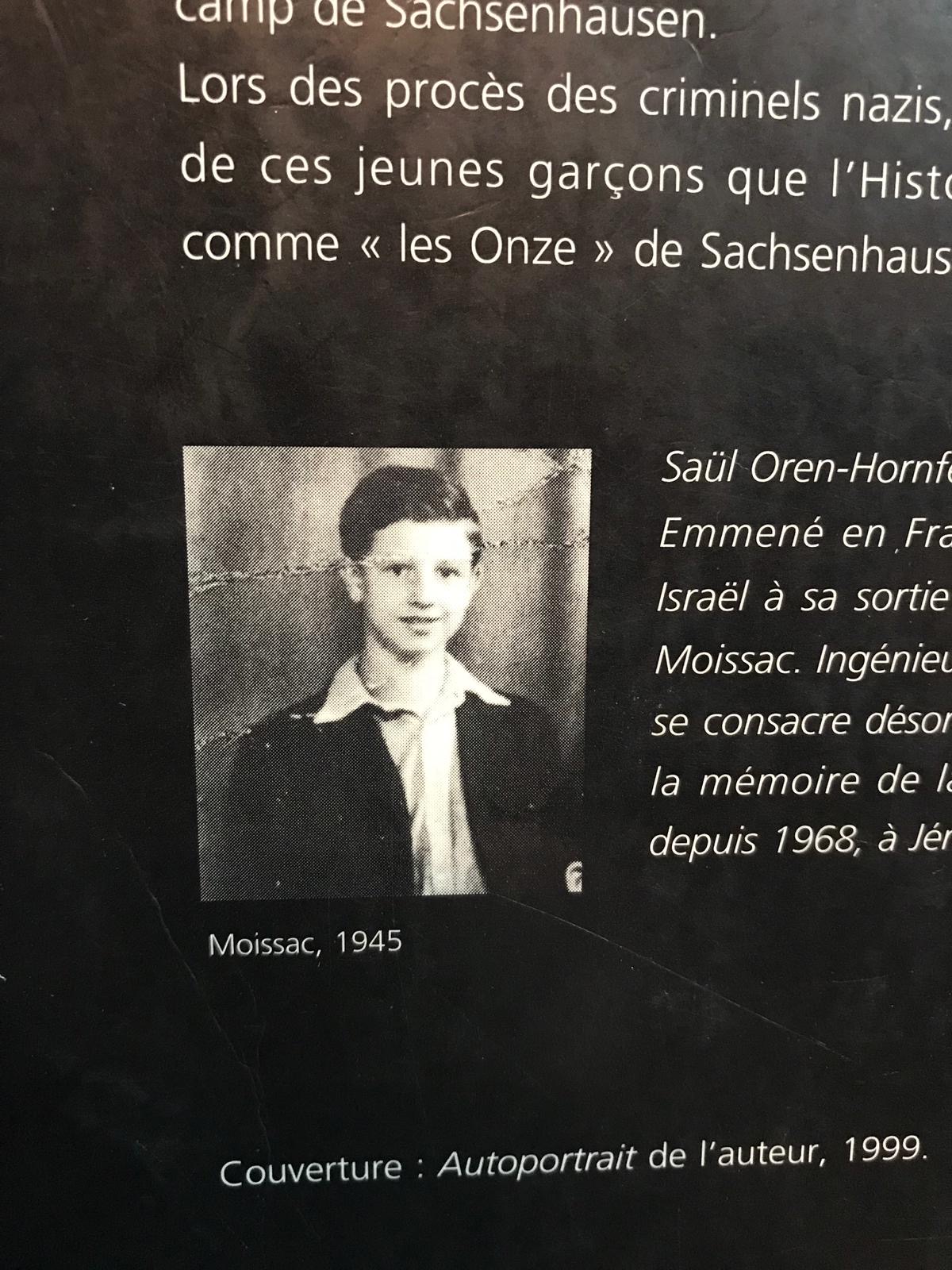
A book page showing a portrait photograph of Saul Oren-Hornfeld with French text about the eleven of Sachsenhausen
Source material

“Les Onze de Sachsenhausen.”

Saul Oren-Hornfeld’s own account, published in French. The portrait is captioned Moissac, 1945; the cover is a self-portrait he drew in 1999.

← Our Story, all three films     Start a conversation →