Why we score every film ourselves.
There is a moment, roughly two-thirds of the way through any animated film, when the music has to do something the image cannot. A prize-ceremony film is four minutes long. If the score in those four minutes is library music, the film has already lost.
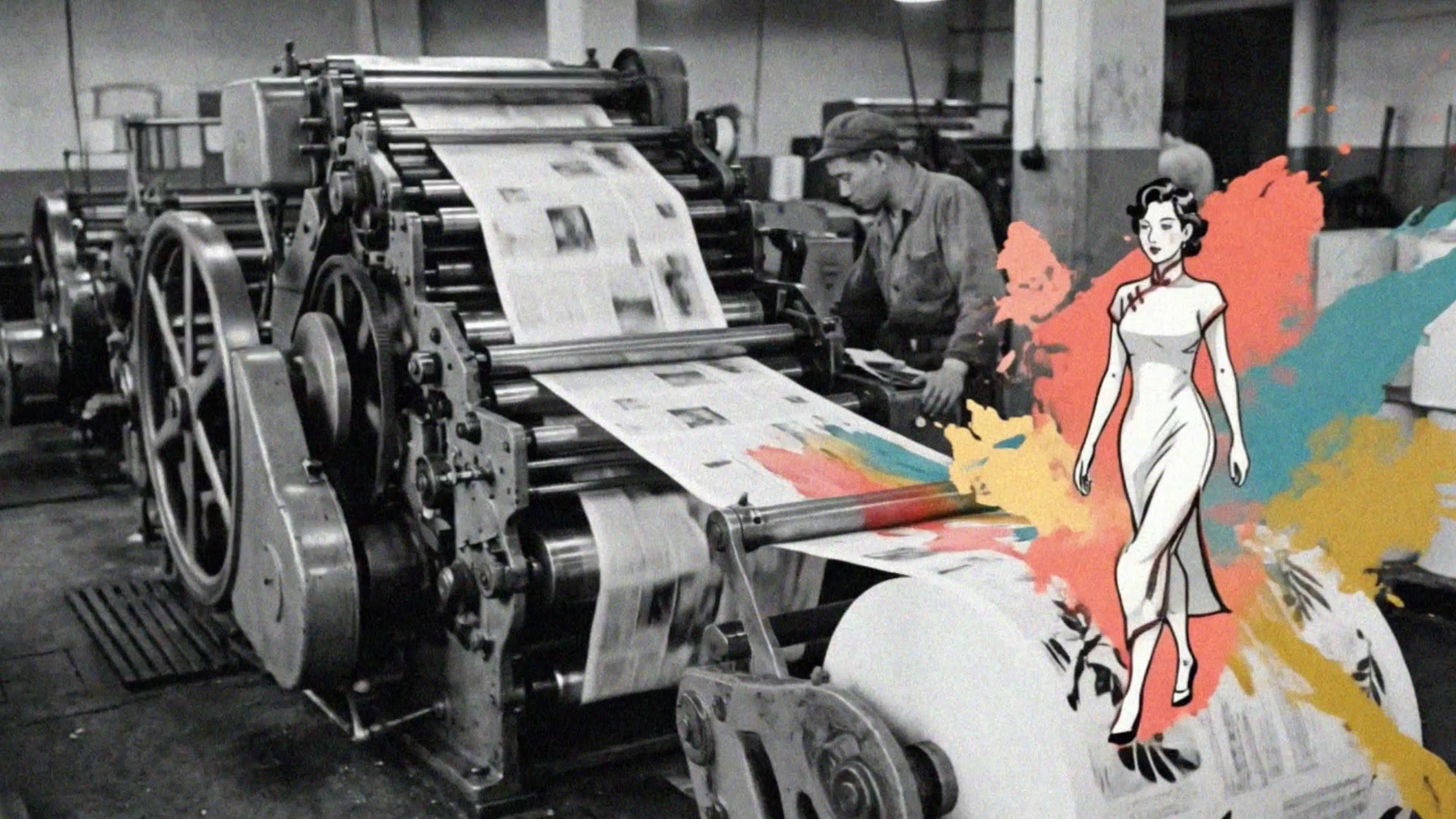
Library music isn’t bad music. It is written to fit many films, so it cannot follow this one: its turns don’t fall where the film turns, and its feeling is chosen for a mood, not for this argument. Every film we make is made to measure, and the music should be too.
So every film Moofa has delivered has had a score composed for it. Eitan Shefer is on every project from the script stage forward — not commissioned to add music at the end, but in the structural conversations: where the turn is, what the image can carry alone, where the music has to take over.
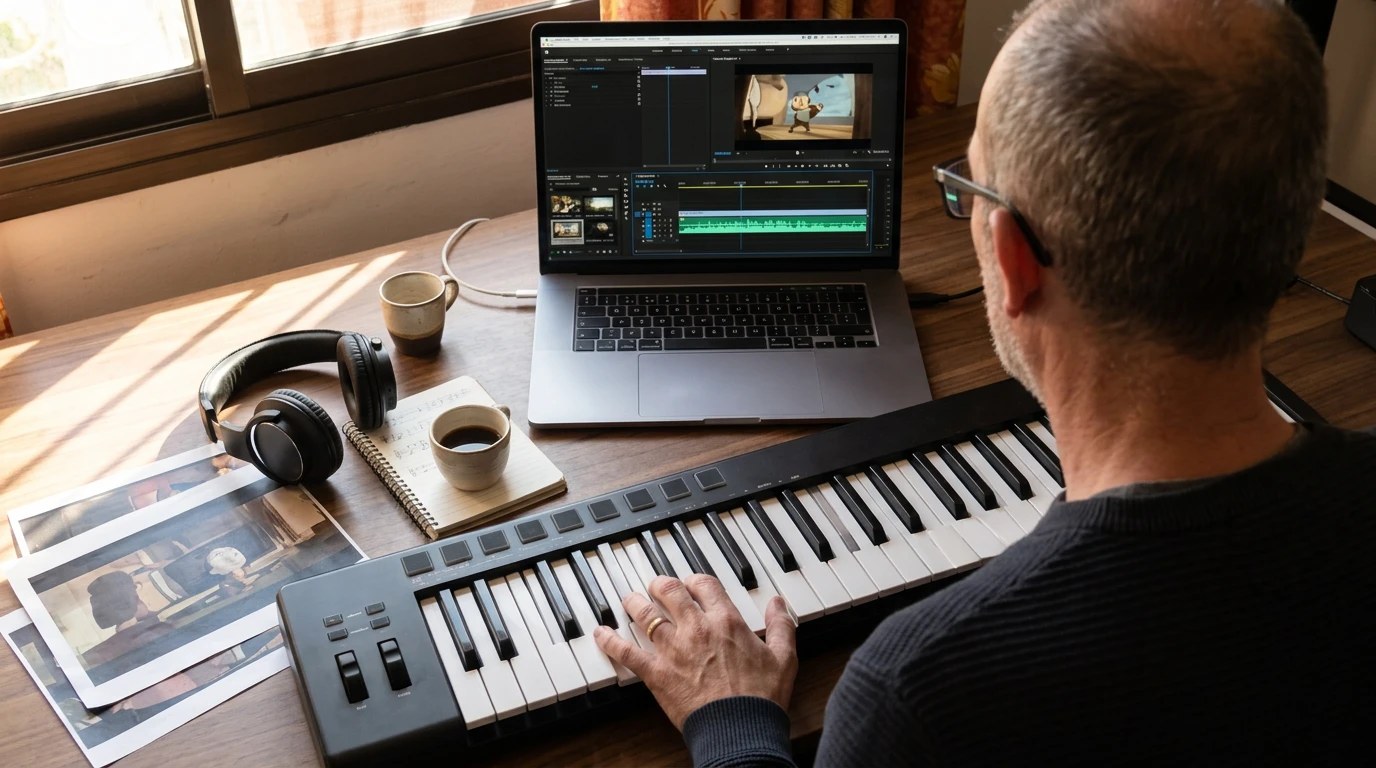
The score is composed in the register of the subject. A film about a peer-reviewed paper in cognitive science does not sound like a film about Holocaust testimony. A film honouring a novelist does not sound like a fundraising film.
Eitan has long said that most of what a viewer feels comes from the music. No study puts a number on it, but the research points the same way. Pictures shown with matching music produce a far stronger feeling than the pictures alone, and reach the brain’s emotional centres rather than only its reasoning ones (Baumgartner et al., 2006). The same neutral face is read as happy, sad or afraid depending on the music before or after it (Tan, Spackman & Bezdek, 2007), and the same scene is understood and remembered differently under a different score (Boltz, 2001). Music doesn’t decorate what we see. It tells us what to feel about it.
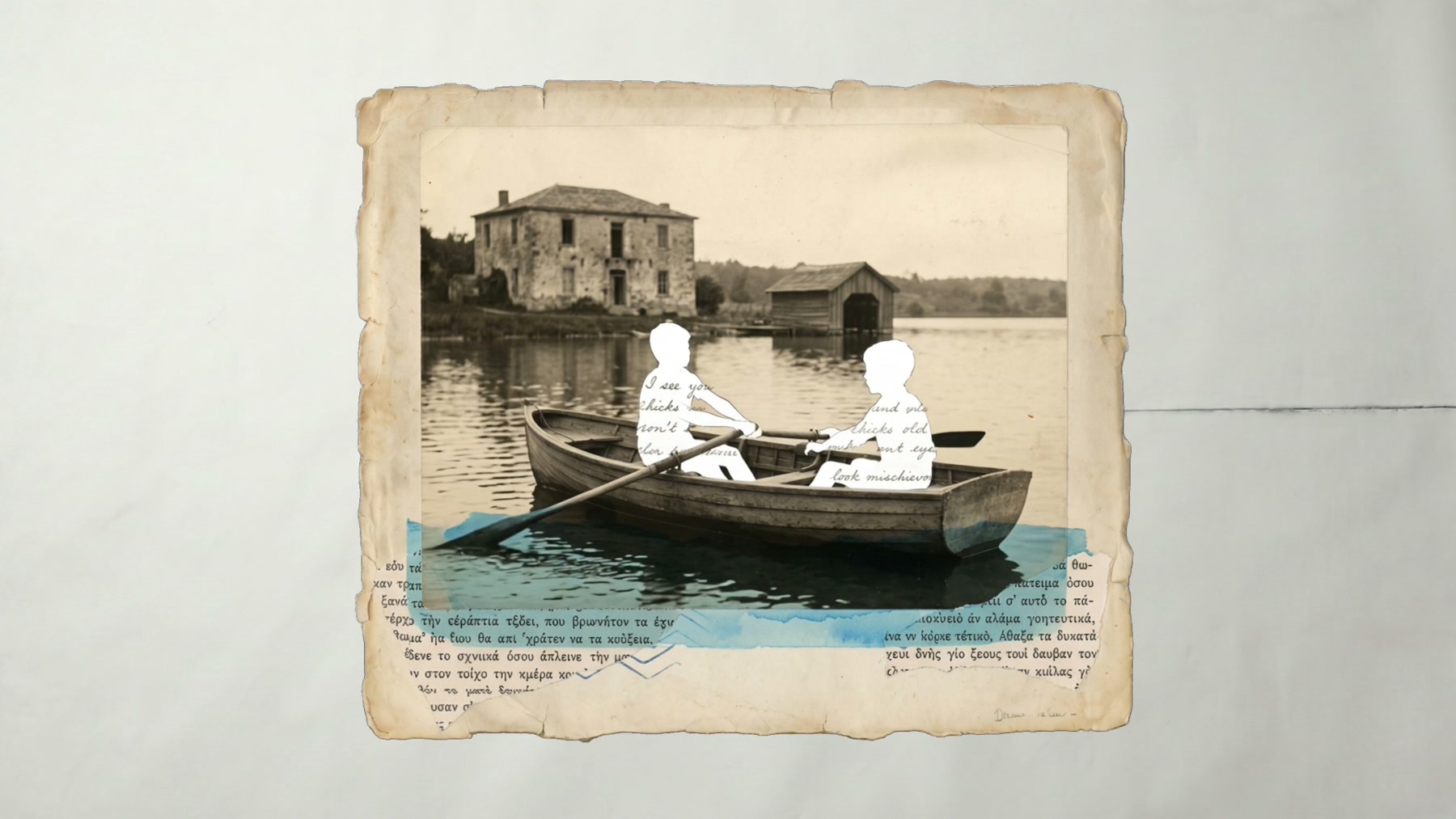
Moofa Production House makes animated films for foundations, museums and research institutions. Every score is written in-house by Eitan Shefer.