If the film is about lipstick, draw it with lipstick.
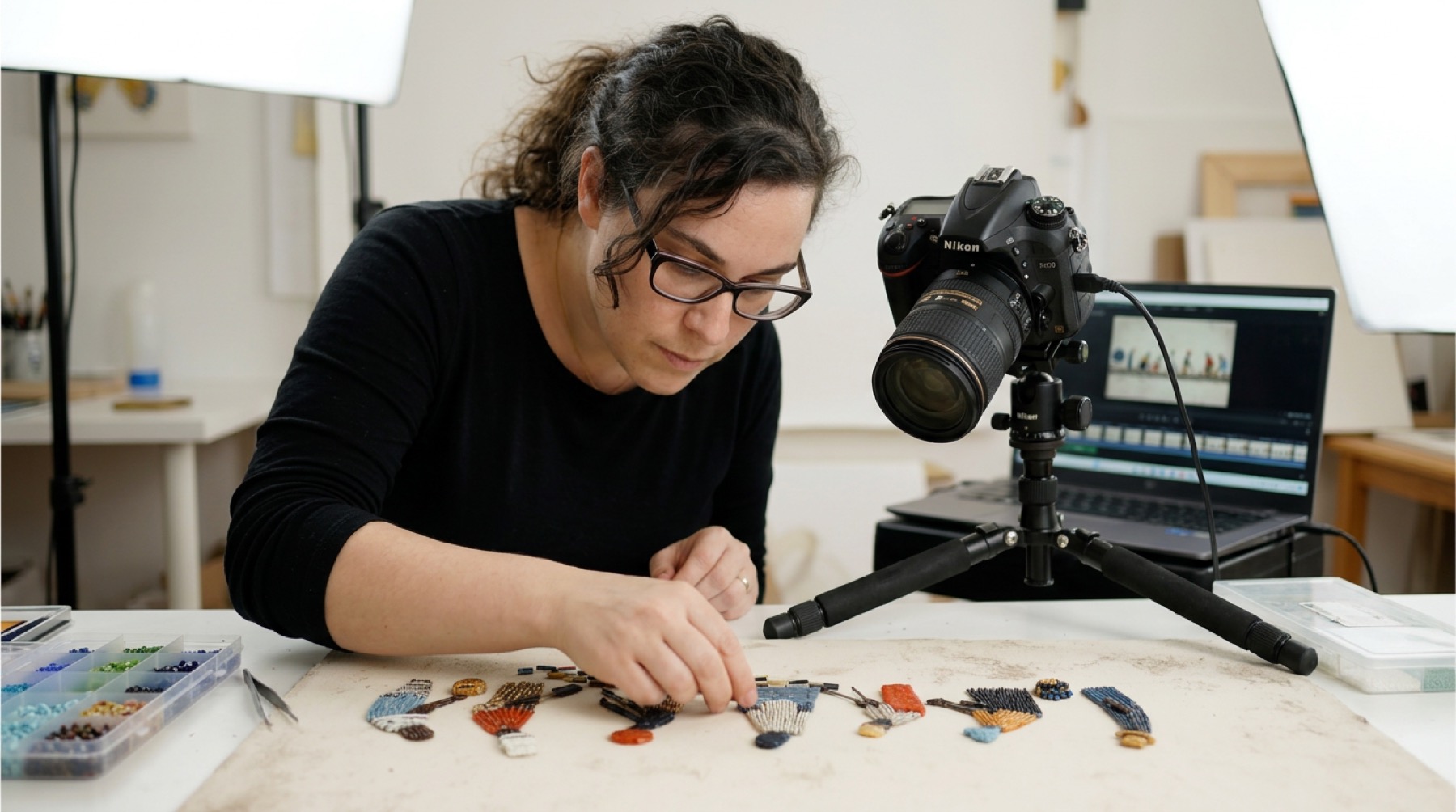
A film about beads, made from beads. A film about an archive, made of paper. A film about police files, made of fingerprints. What a film is made of tells part of its story.
An animator friend said it to me years ago: “If you’re making a film about makeup, you might as well draw it with lipstick.” It stayed with me, and over time it became a rule. Most animated films made for institutions are made in the studio’s usual style, for reasons that have nothing to do with the subject. We do exactly the opposite.
Beads
Abidemi Babalola · See the film →
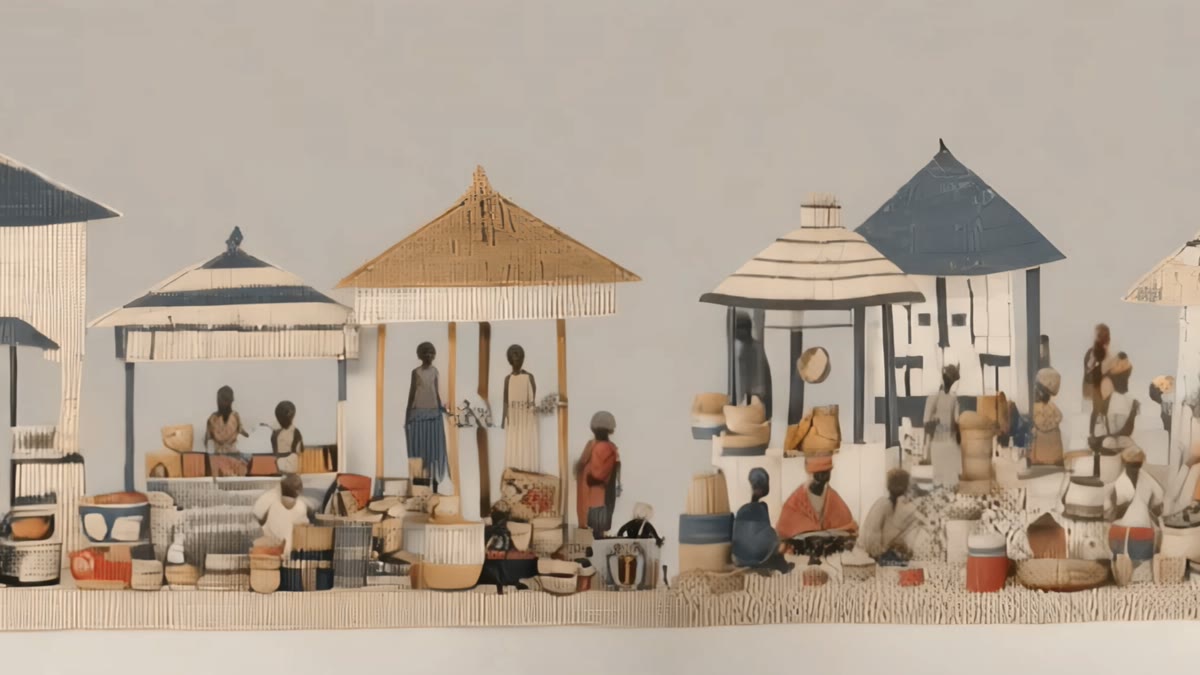
Babalola’s excavations at Ile-Ife showed that Yoruba beadmakers were producing their own glass beads centuries earlier than the histories allowed. So the film is not drawn. It is made from beads, the characters wearing beads because they are made of beads.
Paper
Max Bergholz · See the film →
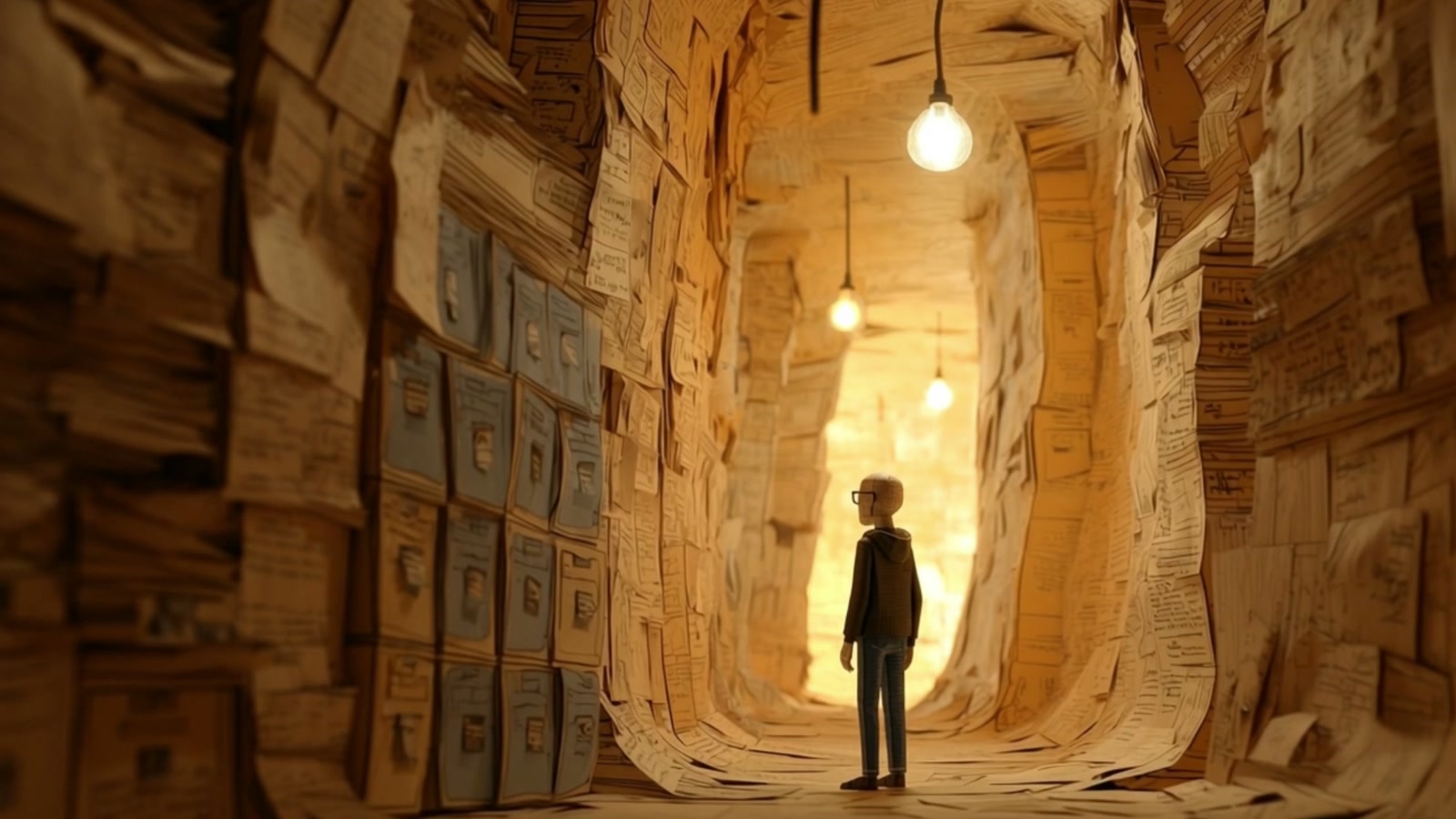
Bergholz’s book on Kulen Vakuf came out of fifteen minutes in an archive’s basement: eighty boxes, no shelves, a blue folder labelled Sites of Mass Executions. The subject is the archive, so the archive is the material. The corridors are stacked paper, and the researcher is covered in handwriting. What survived of the town is the paperwork, and the film is made of nothing else.
Fingerprints
Verena Meier · See the film →
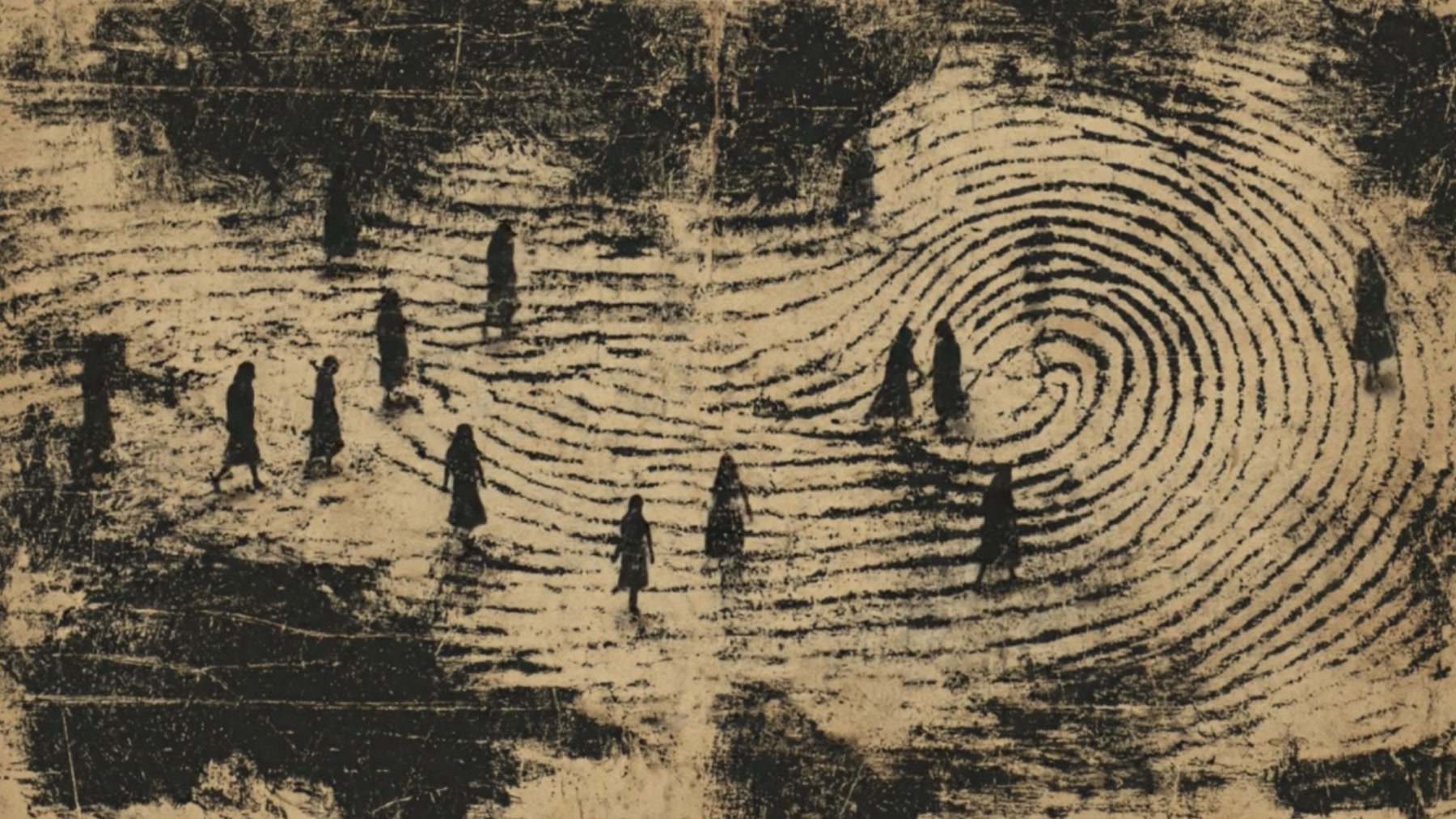
Meier works in the Magdeburg police archive on the deportation of Sinti and Roma. The fingerprint is how the system reduced a person to a line in a file, and the proof that it never really could: no two prints are alike. Her film is made of prints. They are the bureaucratic mark, the ground the deported walk across, and what remains of them.
What a film is made of is never neutral. It is part of what the film says.
Someone who has spent years reading a material deserves a film made of that very material.
If the film is about lipstick, we draw it with lipstick.