Featured client · An ongoing edition

Twenty-seven films for the Dan David Prize, and counting.

The Dan David Prize is the world’s largest history prize. Every year it names nine early- and mid-career scholars, and every year since 2024 we have made a film for each of them — shown at the ceremony, and published to the Prize’s audience afterwards.

27films, and counting
3editions
9scholars a year
2024the first edition
Nine laureates, nine worlds

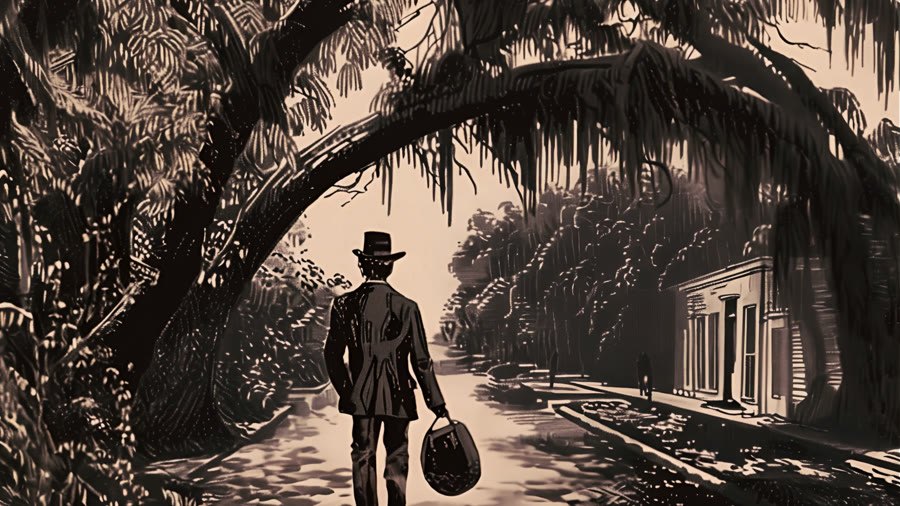
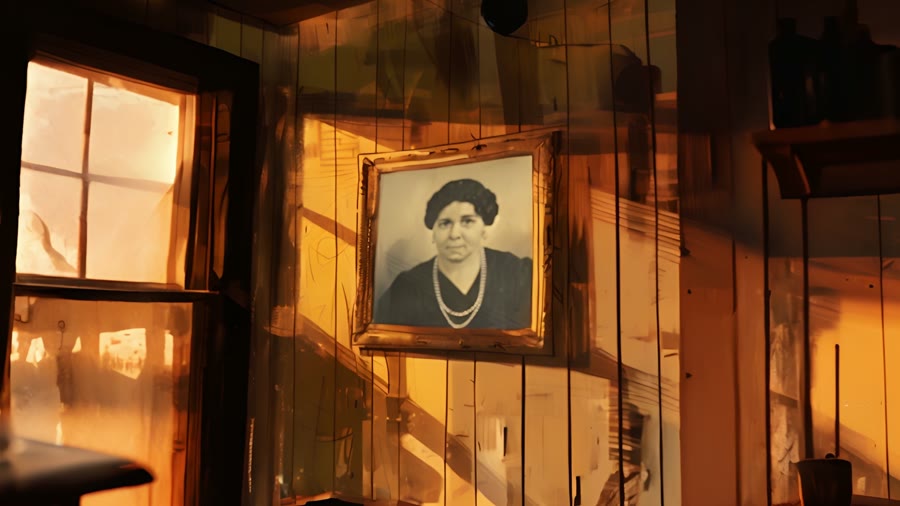
Nine scholars, in one production year. A bioarchaeologist reading Viking bone chemistry; a historian of Kongo Christianity; an archaeologist of West African glass beadmaking; a historian of the yellow-fever economy of New Orleans. Each is awarded a film of a few minutes. Hundreds of guests in the hall will see it for the first time, and it has to hold up to the scholar whose life’s work it tells.
Each film begins with reading the paper, not a summary: the research itself, the book, the data, the excavation reports. Each laureate chooses the story from their work that they want the film to tell, and we write the script around it, from inside the source. We understand it in depth before anything is drawn. That is the only way the film works.
Each film is made of its own materials

Some studios have one distinct animation style. Our approach is different: a film should be made as a derivative of the material its subject is made of. Each of our films takes a different approach to a different subject, because we want each one to be as singular as the world its research is about.

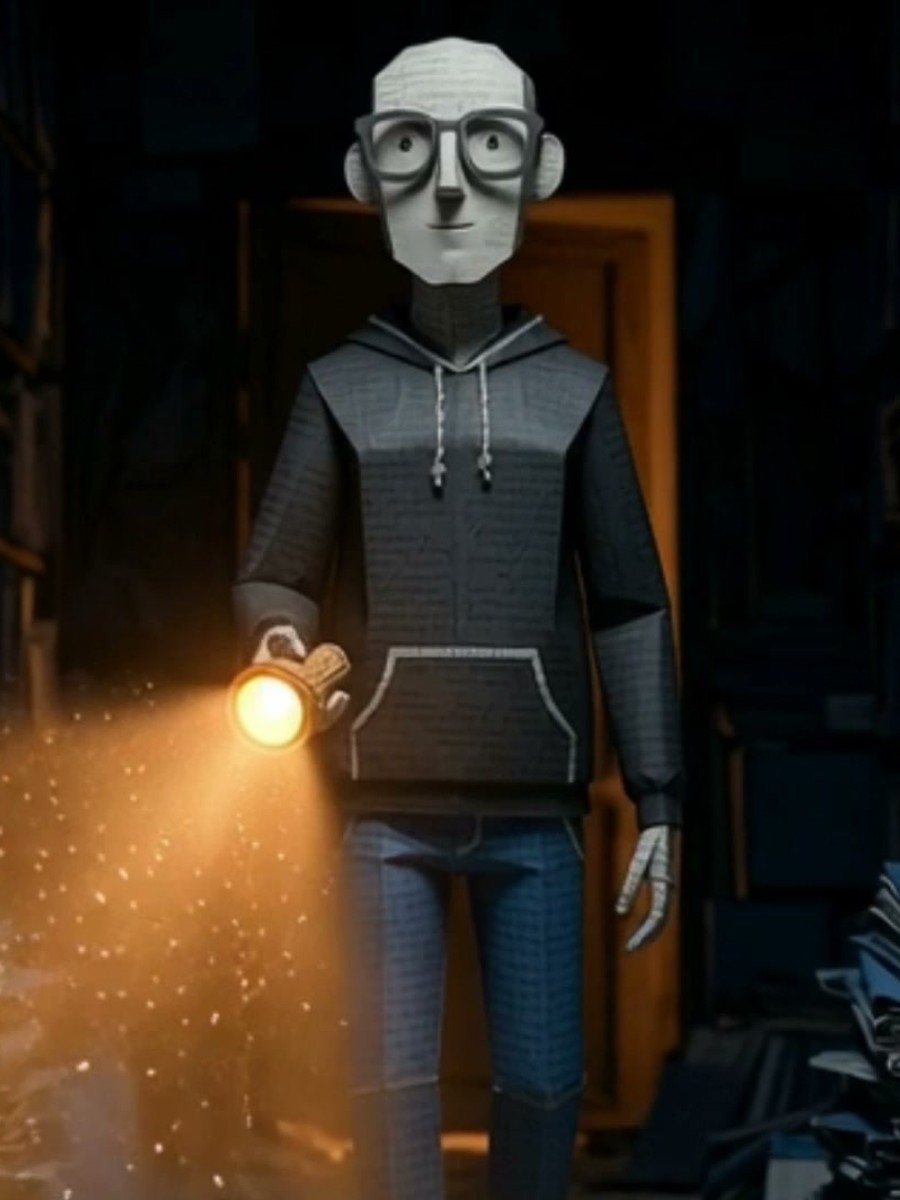
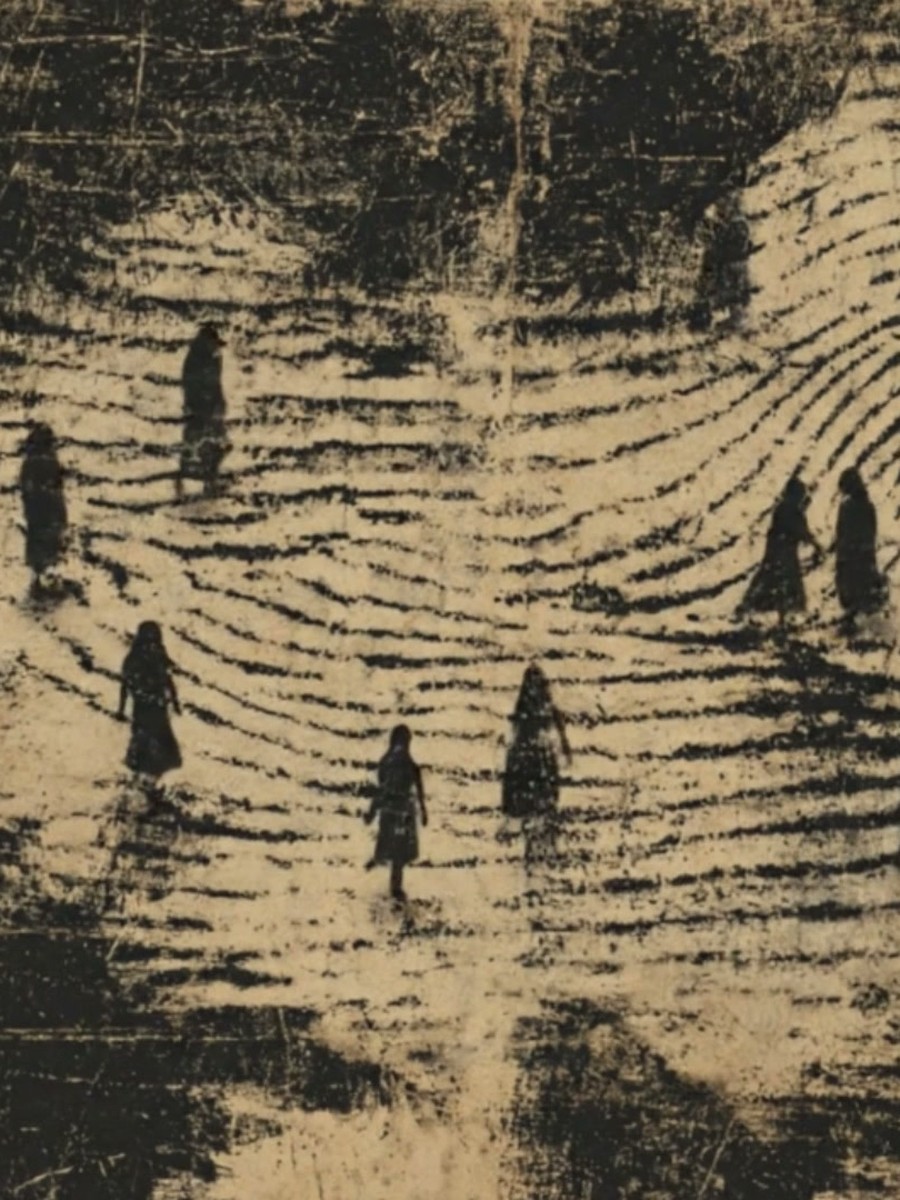
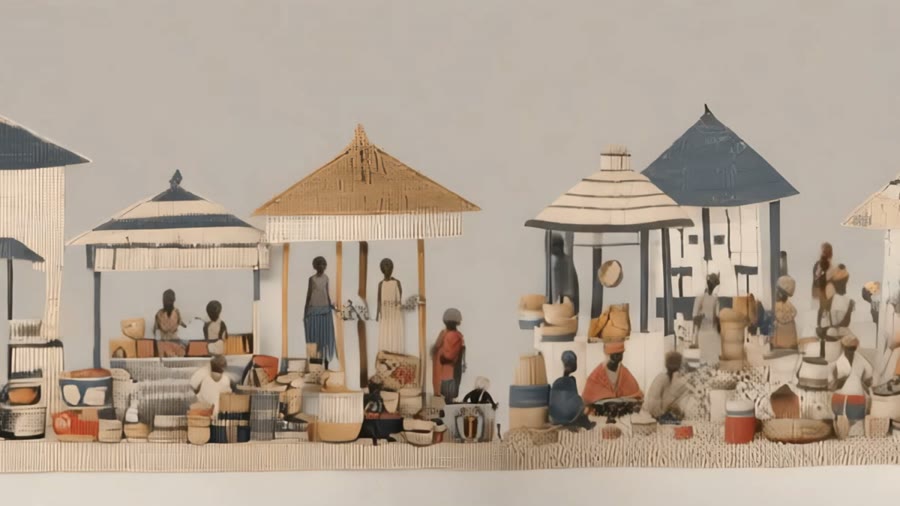
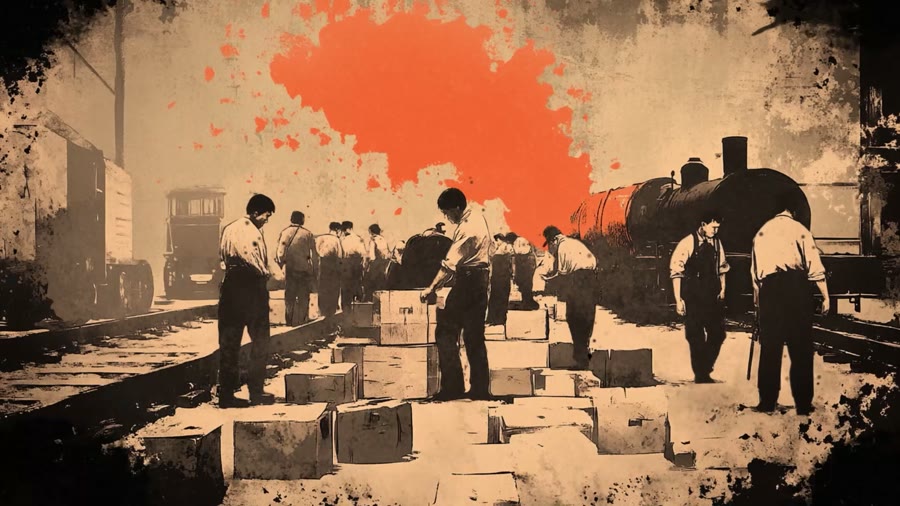
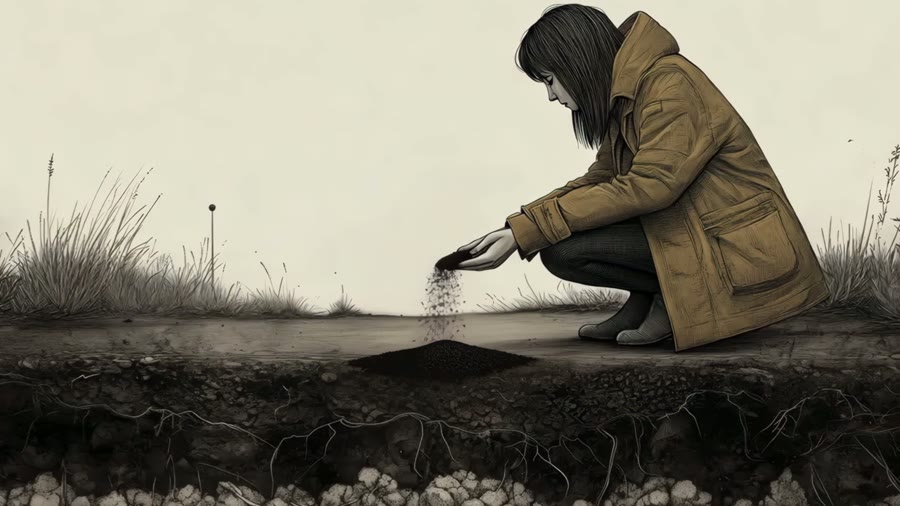
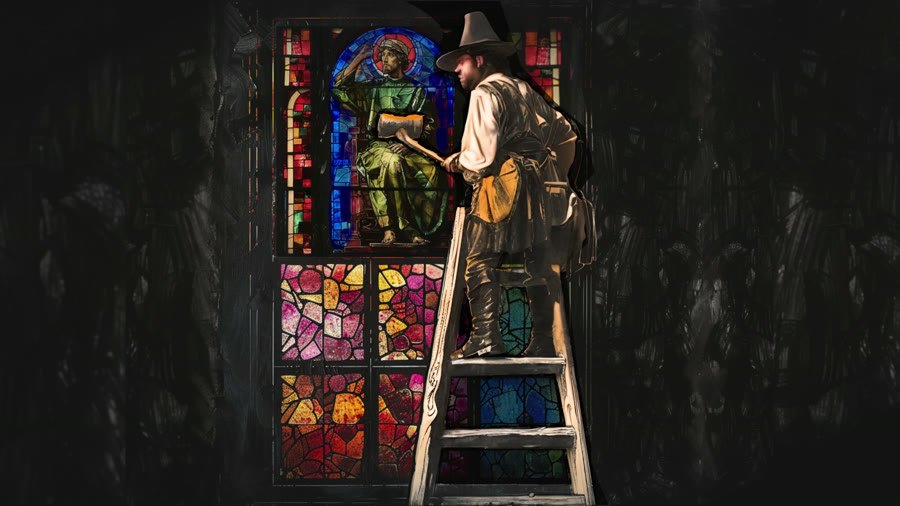
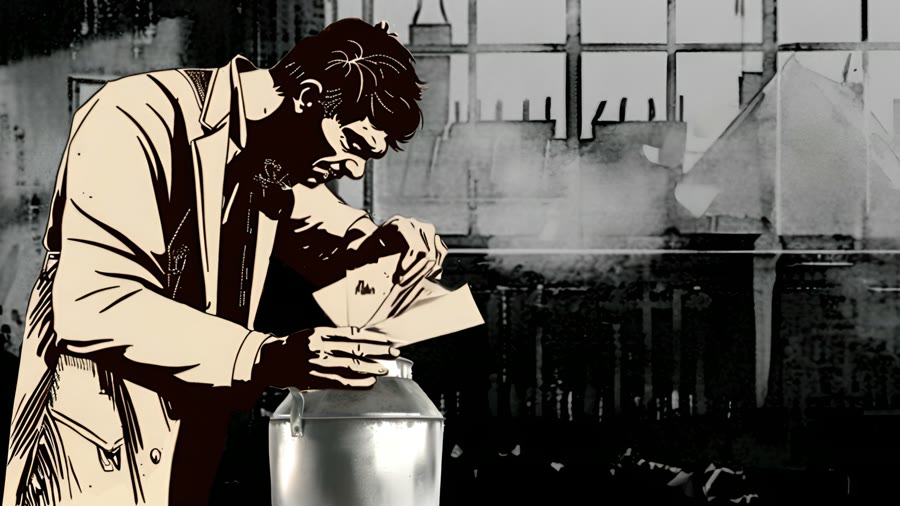
So the film for Daniel Jütte, on the people who set out to destroy the stained glass in churches, is built in dialogue with glass. The film for Abidemi Babalola, on the Yoruba beadmakers who made their own glass beads, is made from beads. Max Bergholz’s, on an uncatalogued archive in a Bosnian basement, is built entirely out of paper: the corridors, the figures, the hand that opens the folder. We have written about this at length.

2026

Nine films
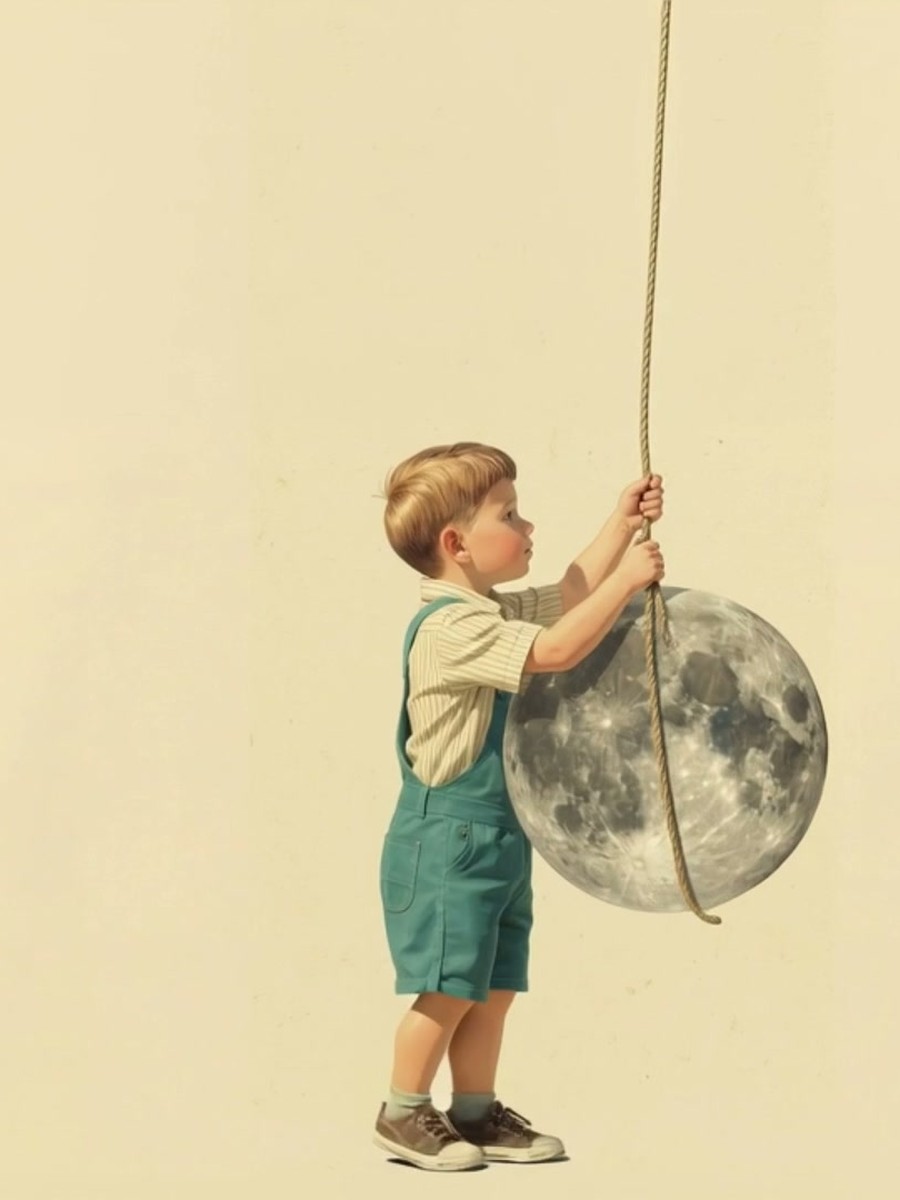
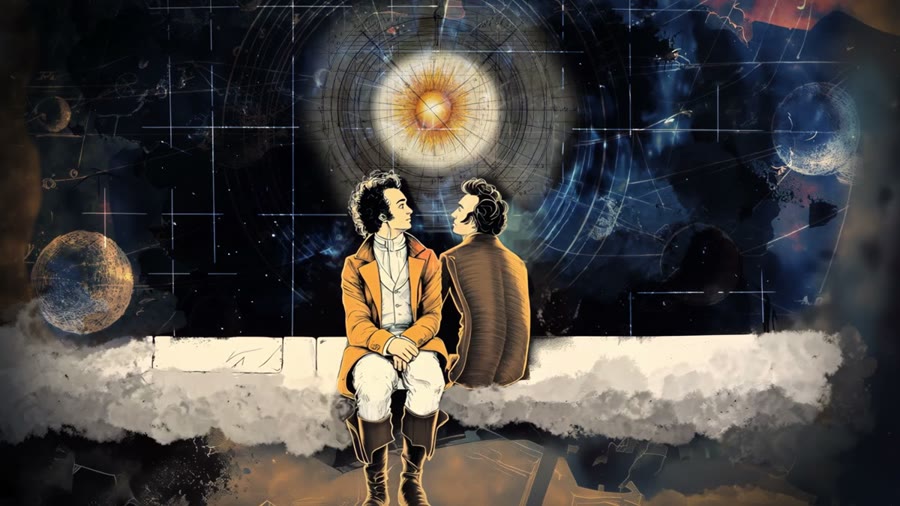
Still from the film for Dagomar Degroot
Dagomar Degroot
Environmental & cosmic history
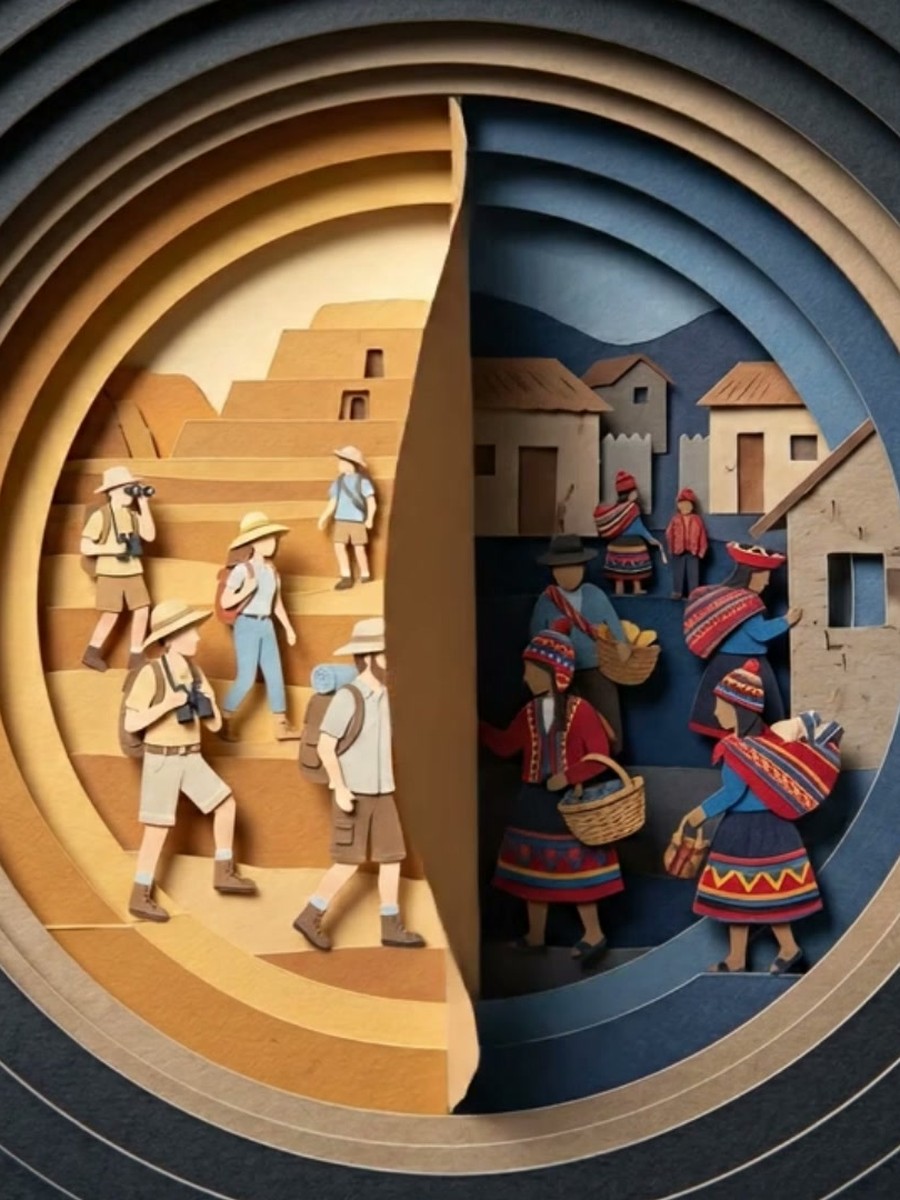
Still from the film for Giancarlo Marcone
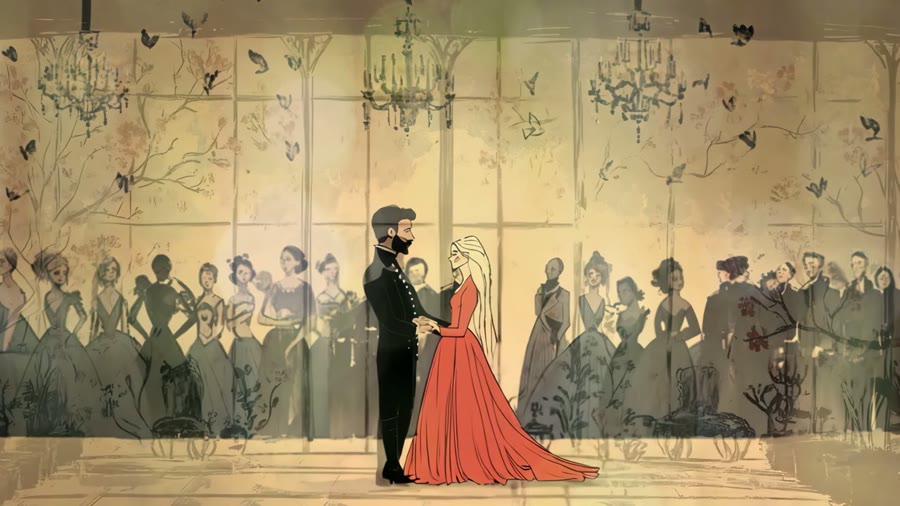
Giancarlo Marcone
Who owns archaeology
Still from the film for Roland Betancourt
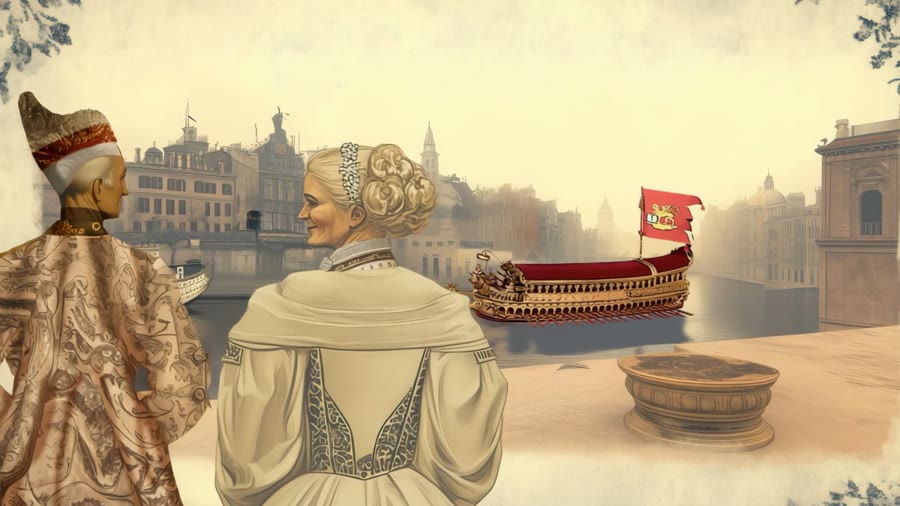
Roland Betancourt
Byzantine art history
Still from the film for Max Bergholz
Max Bergholz
Violence, nationalism, memory
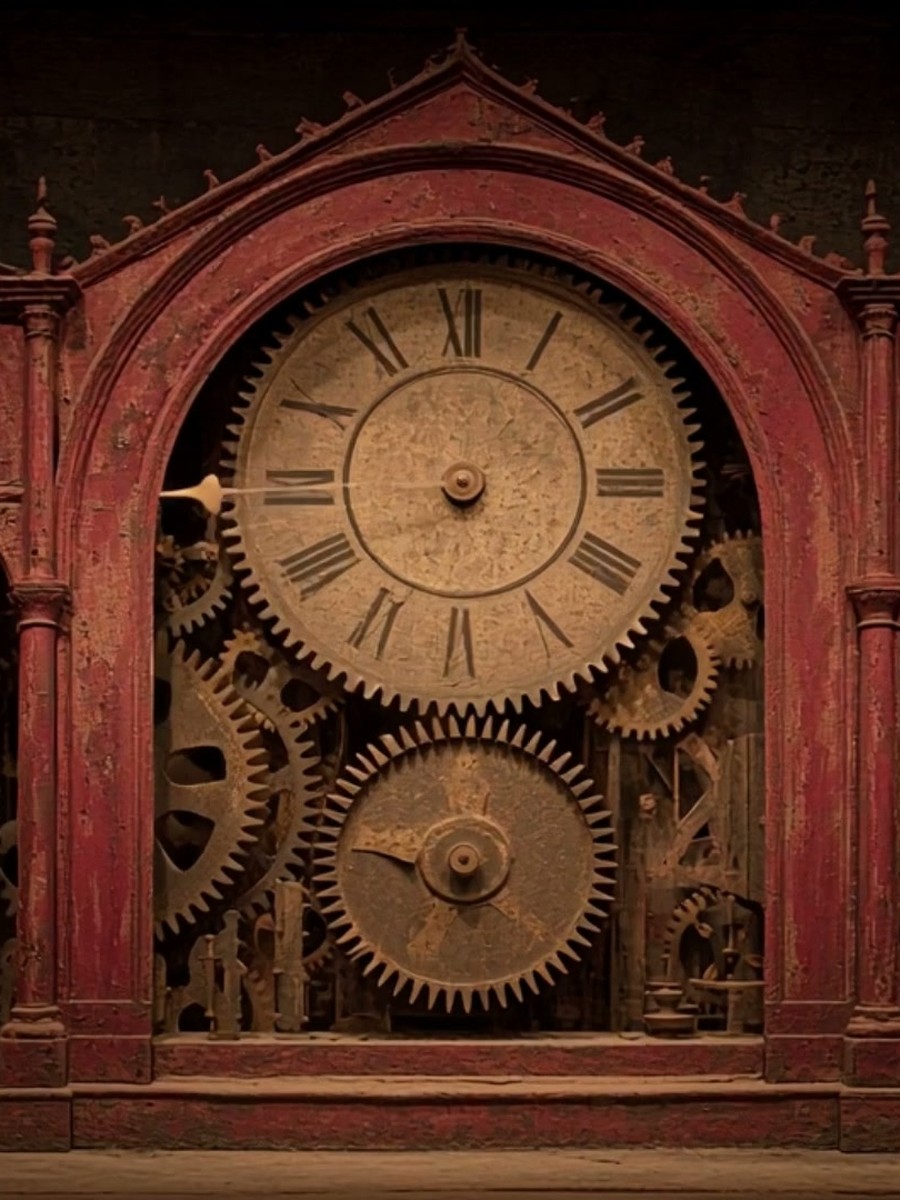
Still from the film for Matthew Champion
Matthew Champion
Premodern temporalities
Still from the film for Verena Meier
Verena Meier
Roma & Sinti persecution
Still from the film for Howard Chiang
Howard Chiang
East Asian medicine & gender
Still from the film for Andrew Lipman
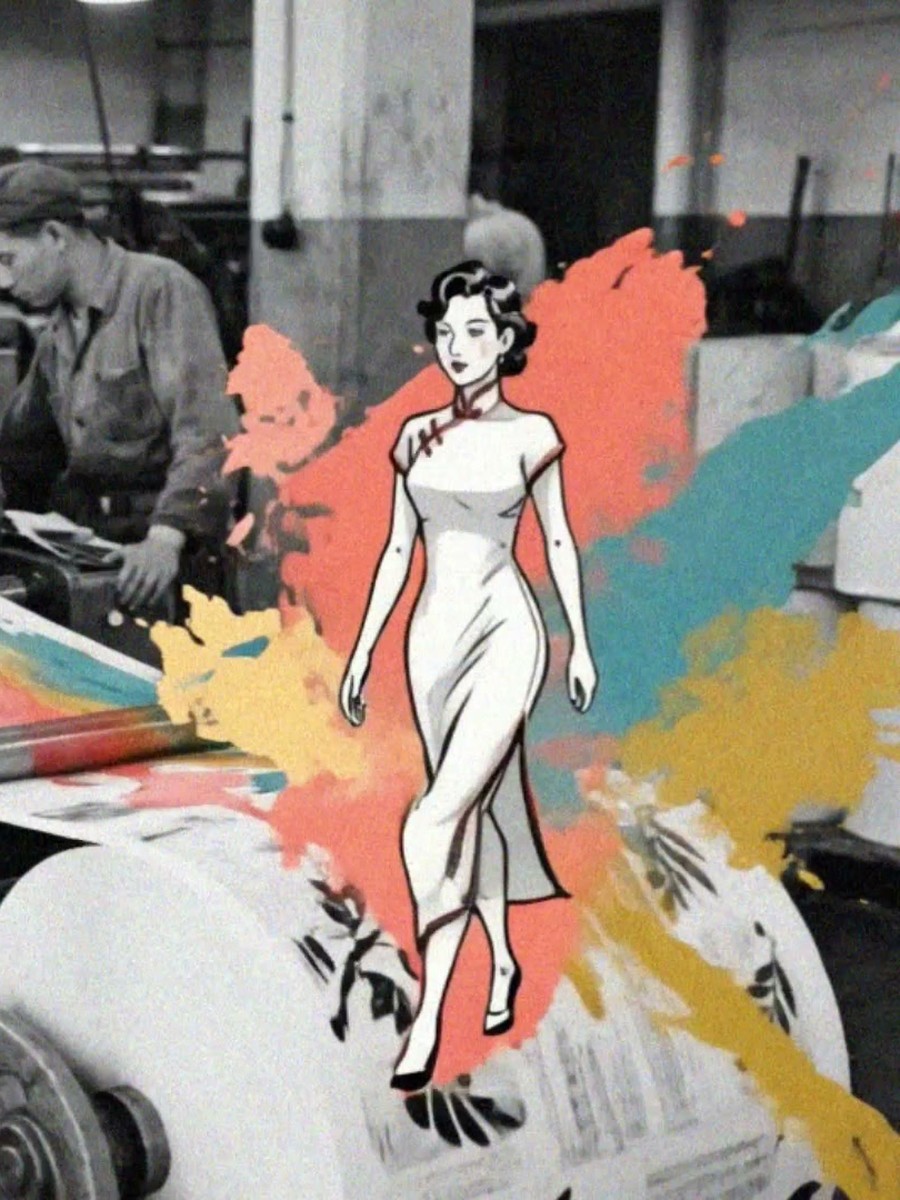
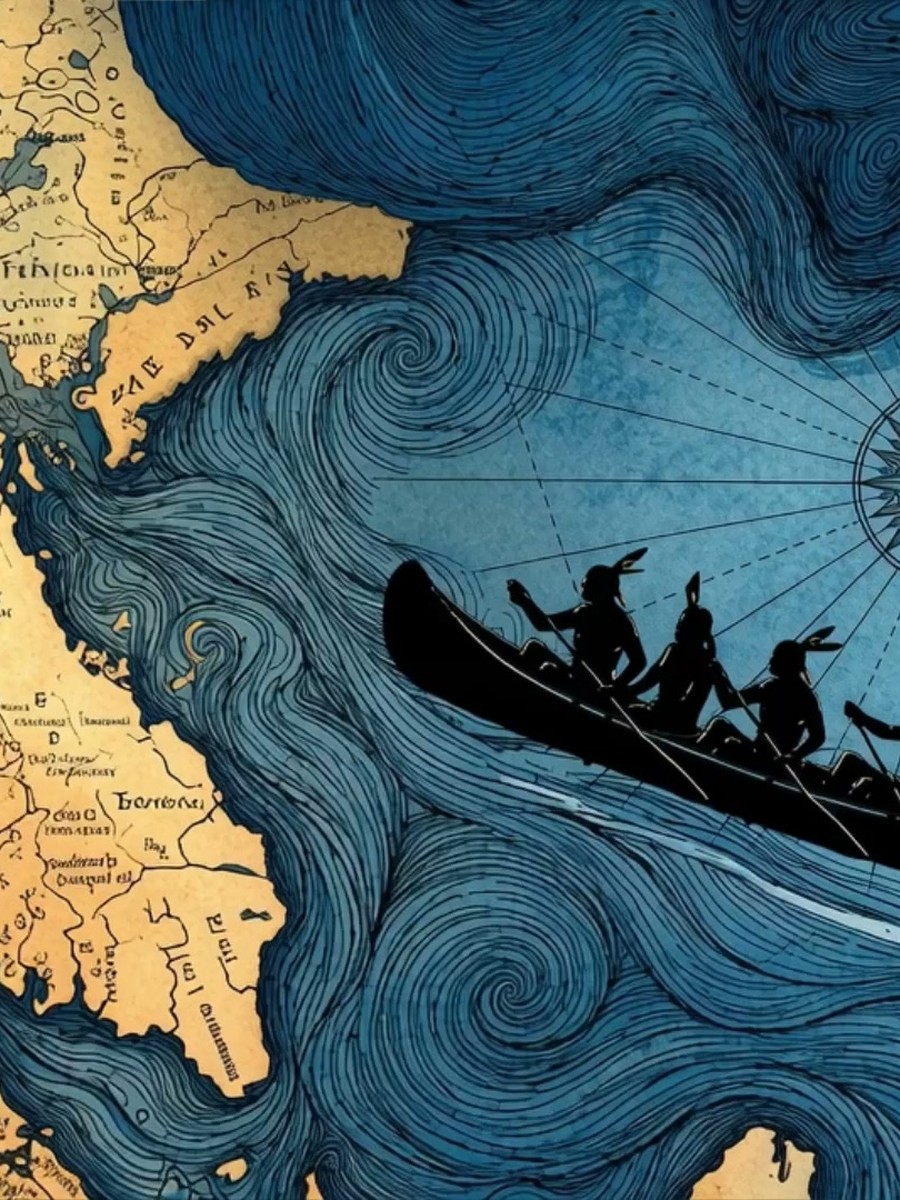
Andrew Lipman
Early modern North America
Still from the film for R. Isabela Morales
R. Isabela Morales
Slavery & emancipation

2025

Nine films
Still from the film for Dr. Abidemi Babalola
Dr. Abidemi Babalola
Glass · W. Africa
Still from the film for Prof. Beth Lew-Williams
Prof. Beth Lew-Williams
Asian American excl.
Still from the film for Prof. Mackenzie Cooley
Prof. Mackenzie Cooley
Knowing nature
Still from the film for Dr. Bar Kribus
Dr. Bar Kribus
Beta Israel
Still from the film for Fred Kuwornu
Fred Kuwornu
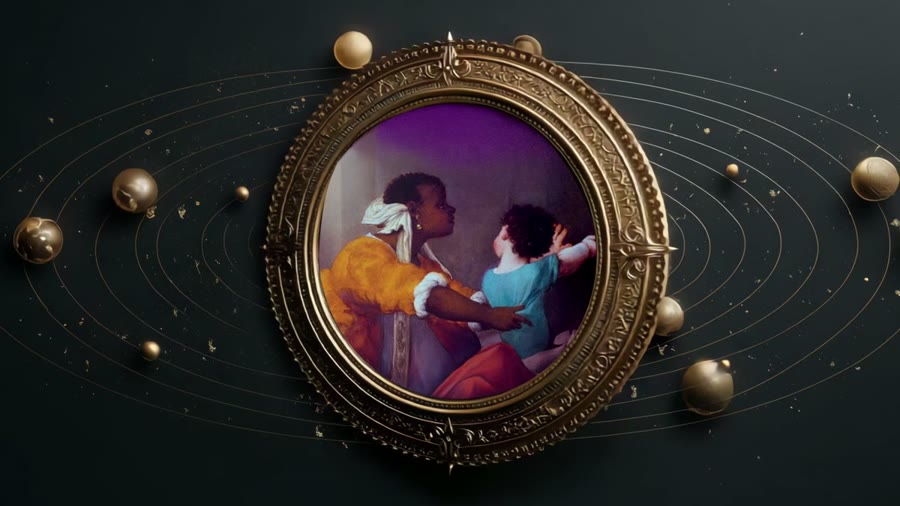
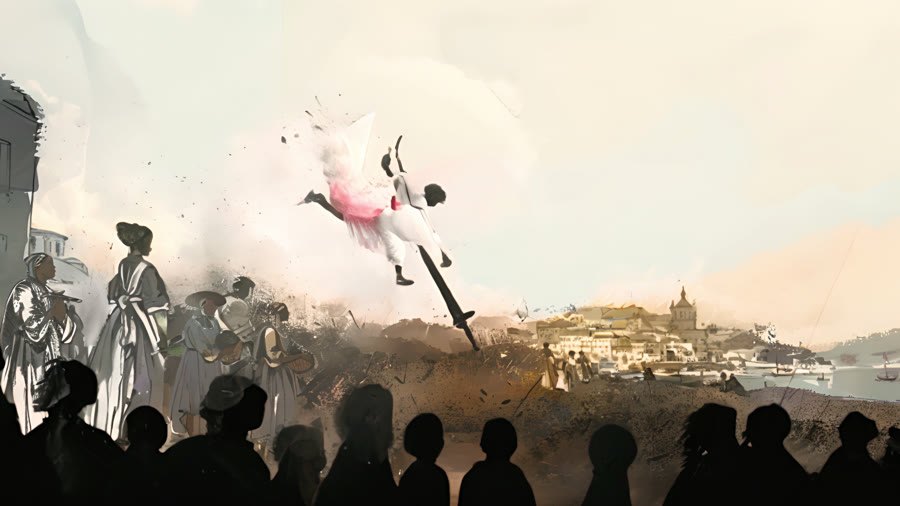
Black Renaissance
Still from the film for Dr. Dmitri Levitin
Dr. Dmitri Levitin
Premodern knowledge
Still from the film for Prof. Hannah Marcus
Prof. Hannah Marcus
Forbidden science
Still from the film for Alina Șerban
Alina Șerban
Roma silenced
Still from the film for Prof. Caroline Sturdy Colls
Prof. Caroline Sturdy Colls
Holocaust archaeology

2024

Nine films
Still from the film for Prof. Benjamin Brose
Prof. Benjamin Brose
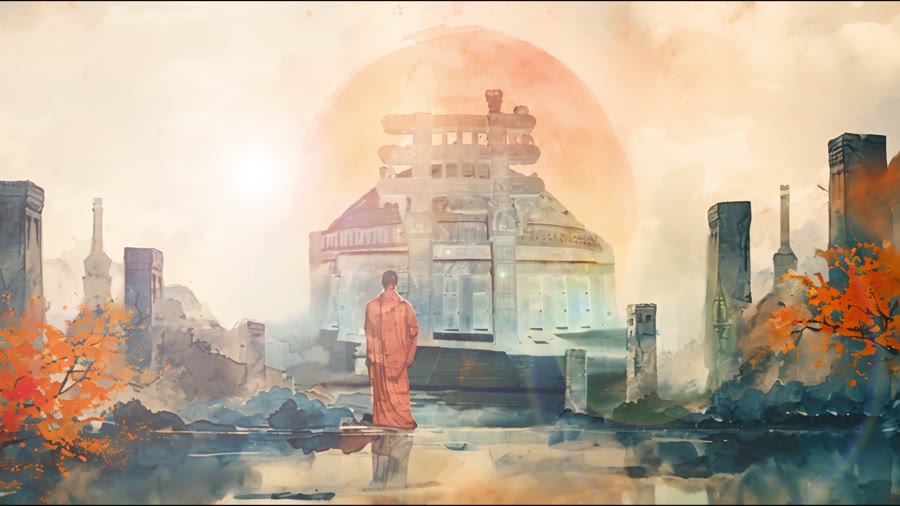
Chinese Buddhism
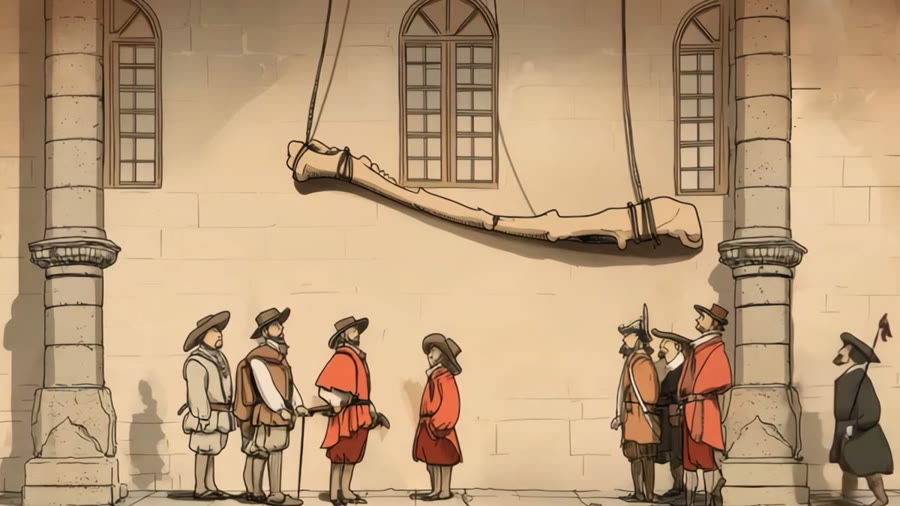
Still from the film for Prof. Cécile Fromont
Prof. Cécile Fromont
Kongo Christianity
Still from the film for Dr. Cat Jarman
Dr. Cat Jarman
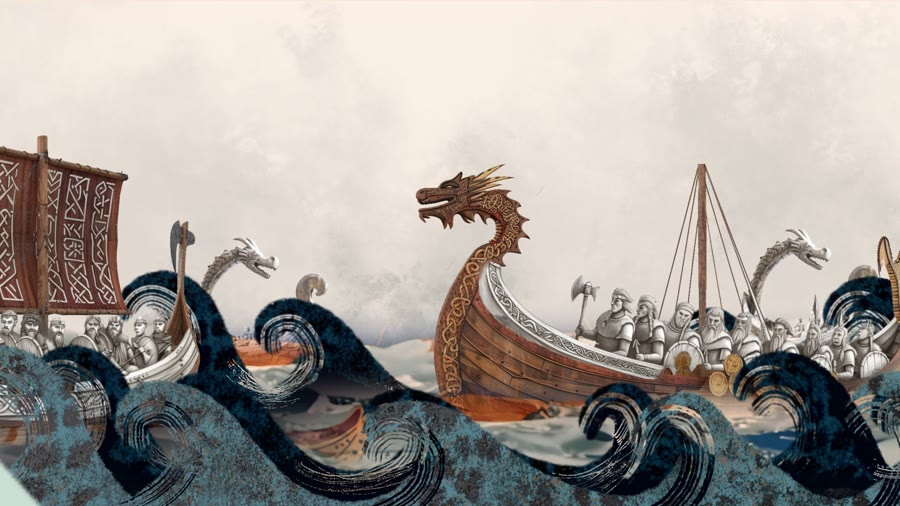
Viking bioarchaeology
Still from the film for Prof. Daniel Jütte
Prof. Daniel Jütte
Early modern Europe
Still from the film for Dr. Katarzyna Person
Dr. Katarzyna Person
Warsaw ghetto
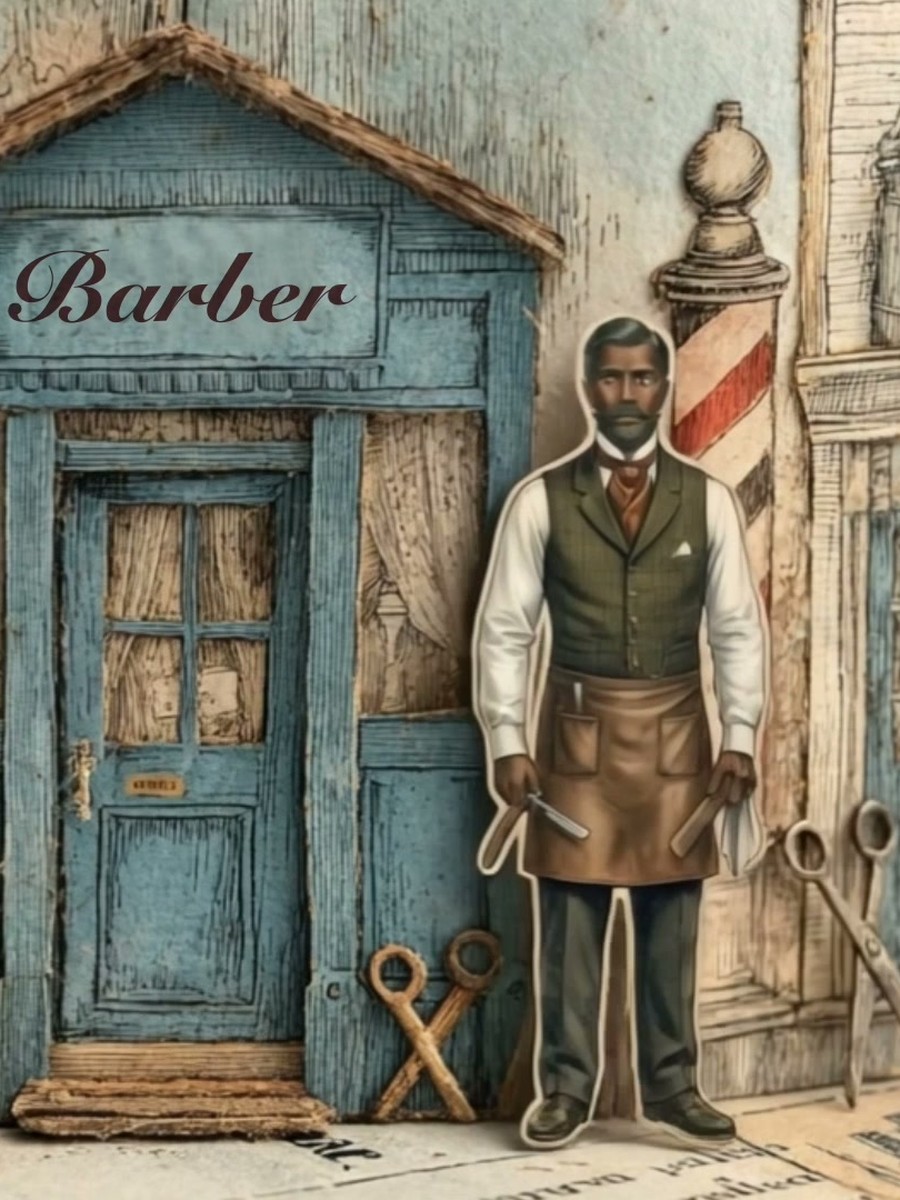
Still from the film for Prof. Kathryn Olivarius
Prof. Kathryn Olivarius
Yellow fever
Still from the film for Prof. Keisha Blain
Prof. Keisha Blain
Black women's history
Still from the film for Prof. Stuart McManus
Prof. Stuart McManus
Atlantic empires
Still from the film for Dr. Tripurdaman Singh
Dr. Tripurdaman Singh
South Asian history
Where the films go

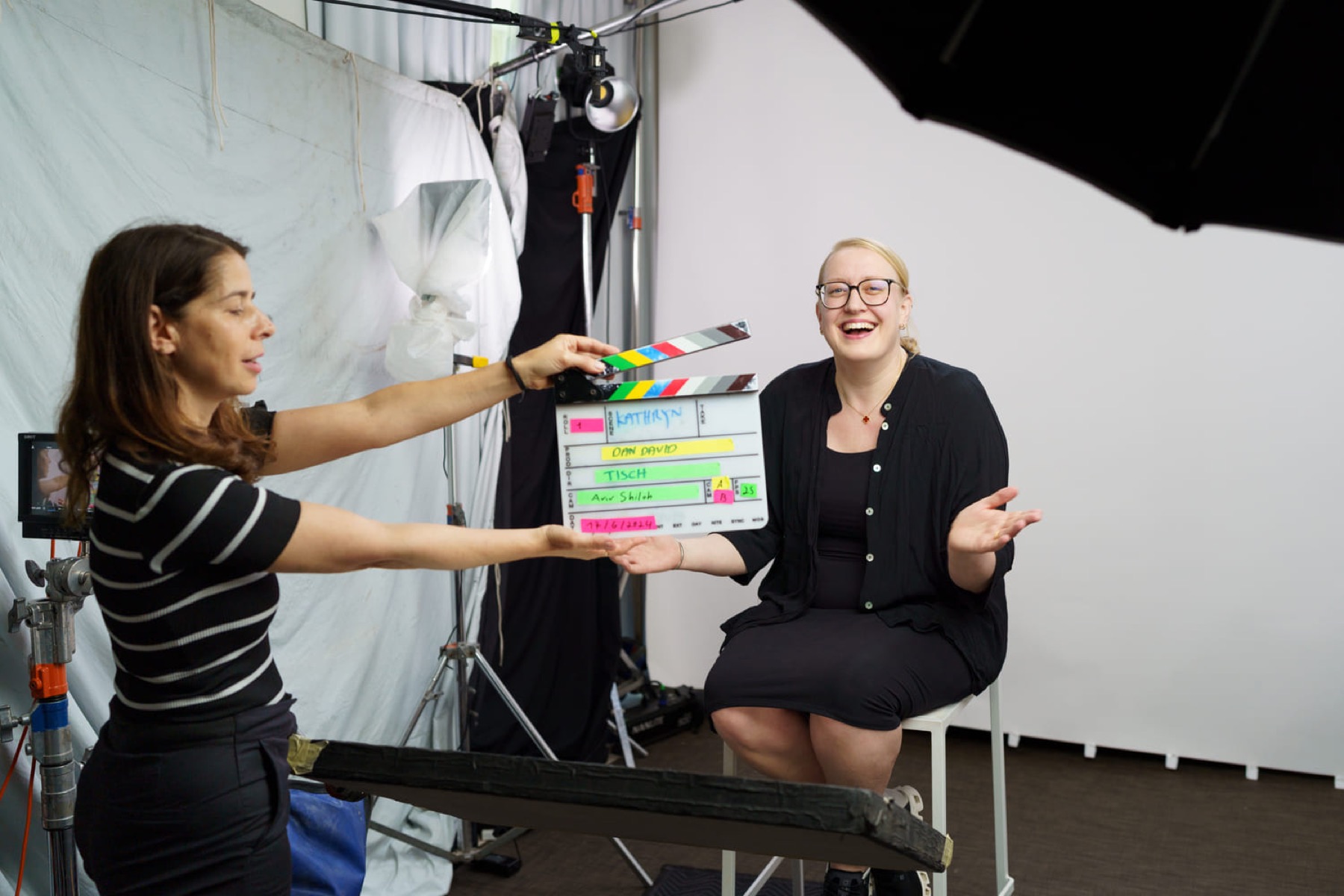
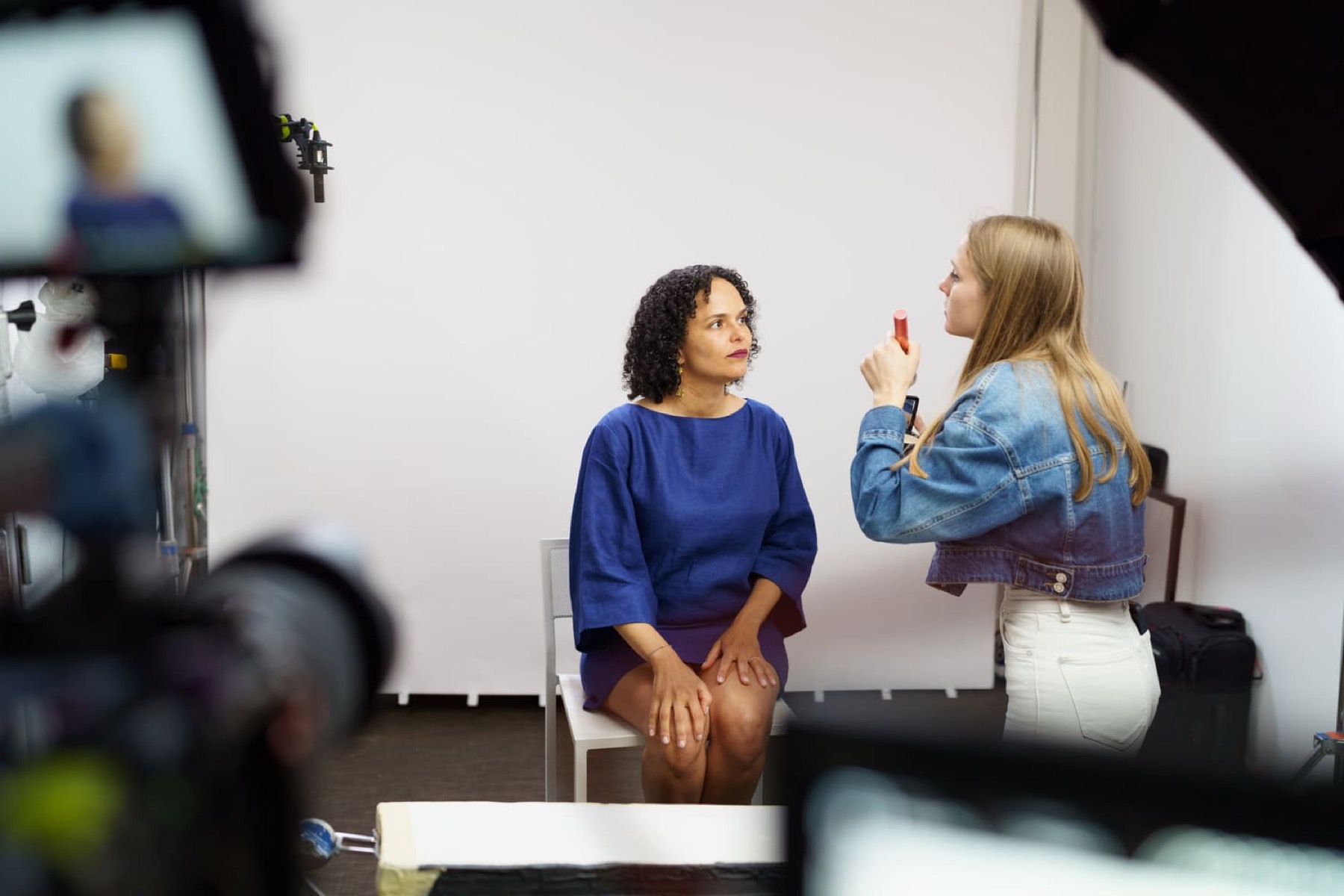
Each film has two halves. The first is shot: the laureate, interviewed on camera, in a studio, by the same small crew every year. The second is built here, around that interview. And then the finished film is shown once, in a room the Foundation has spent a year preparing, to the people it was made for — before it goes out to everyone else.

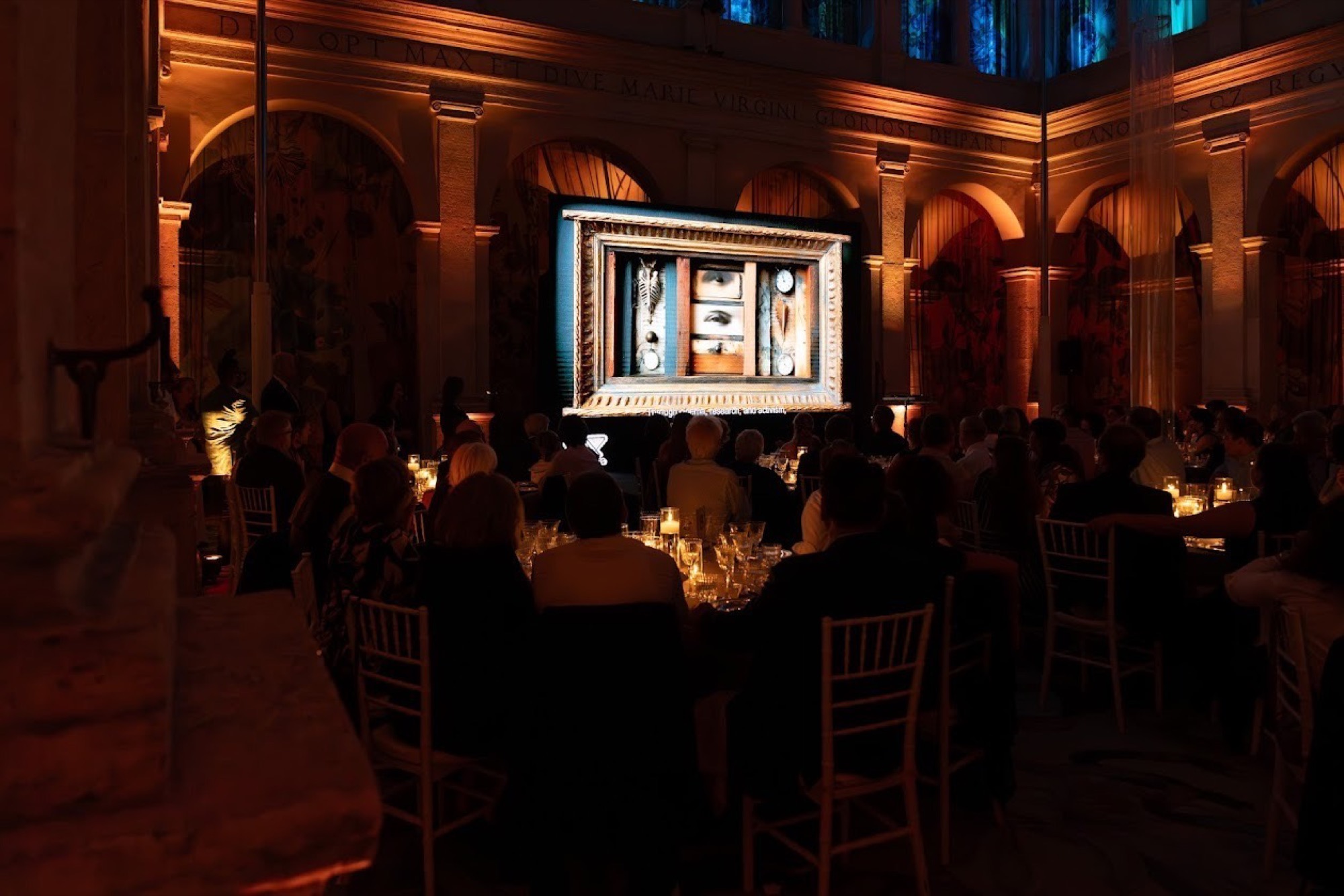
The 2025 prize ceremony: an audience in a darkened hall watching the film for Fred Kuwornu on a large screen
The film for Fred Kuwornu on the screen at the 2025 ceremony — the room every one of these films is made for.
A clapperboard held up in a studio before a laureate interview, marked Dan David, Tisch, and the date
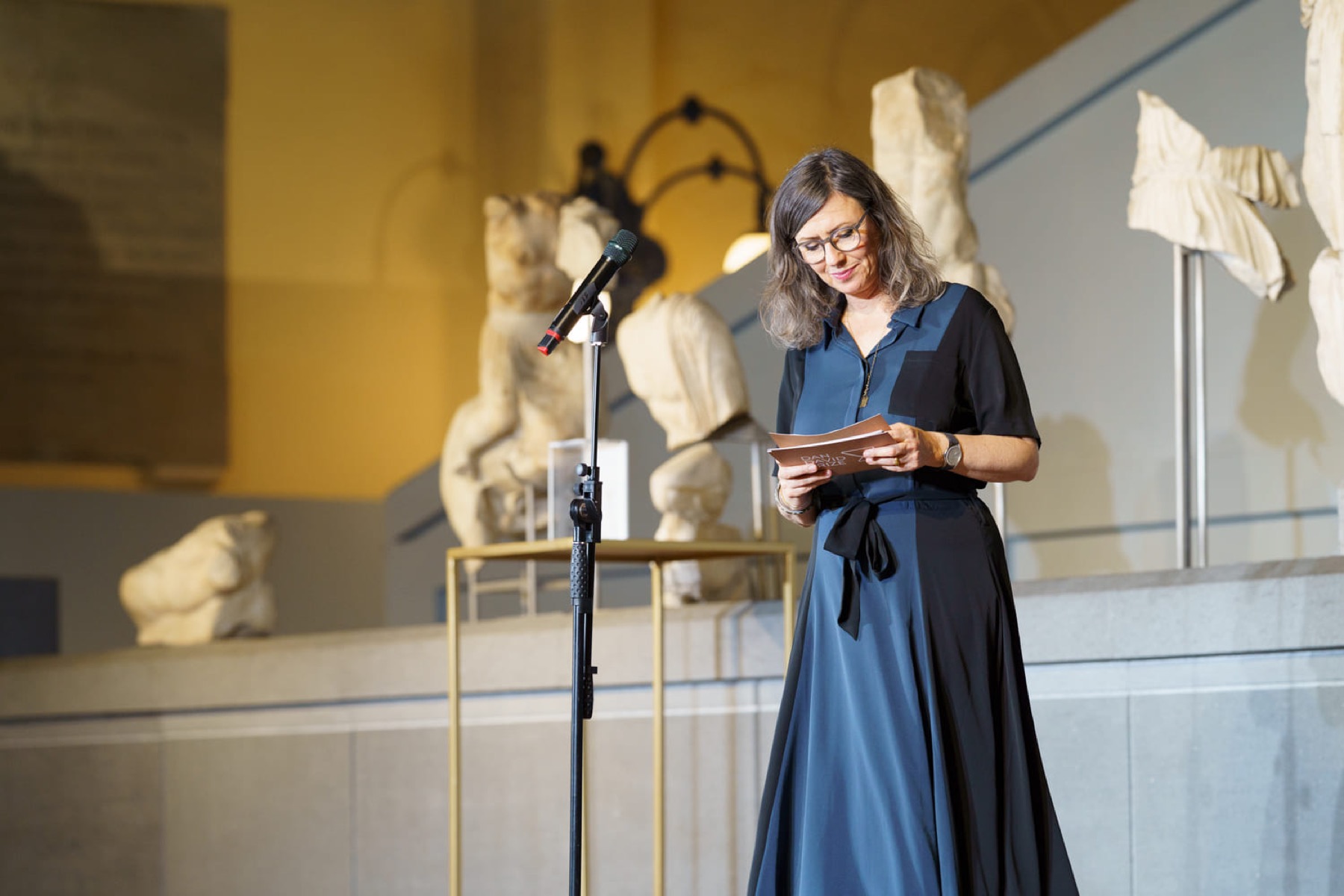
A laureate being prepared for her interview in a white studio, seen past the cameraA speaker reading from a Dan David Prize programme at a microphone, classical sculpture behind her
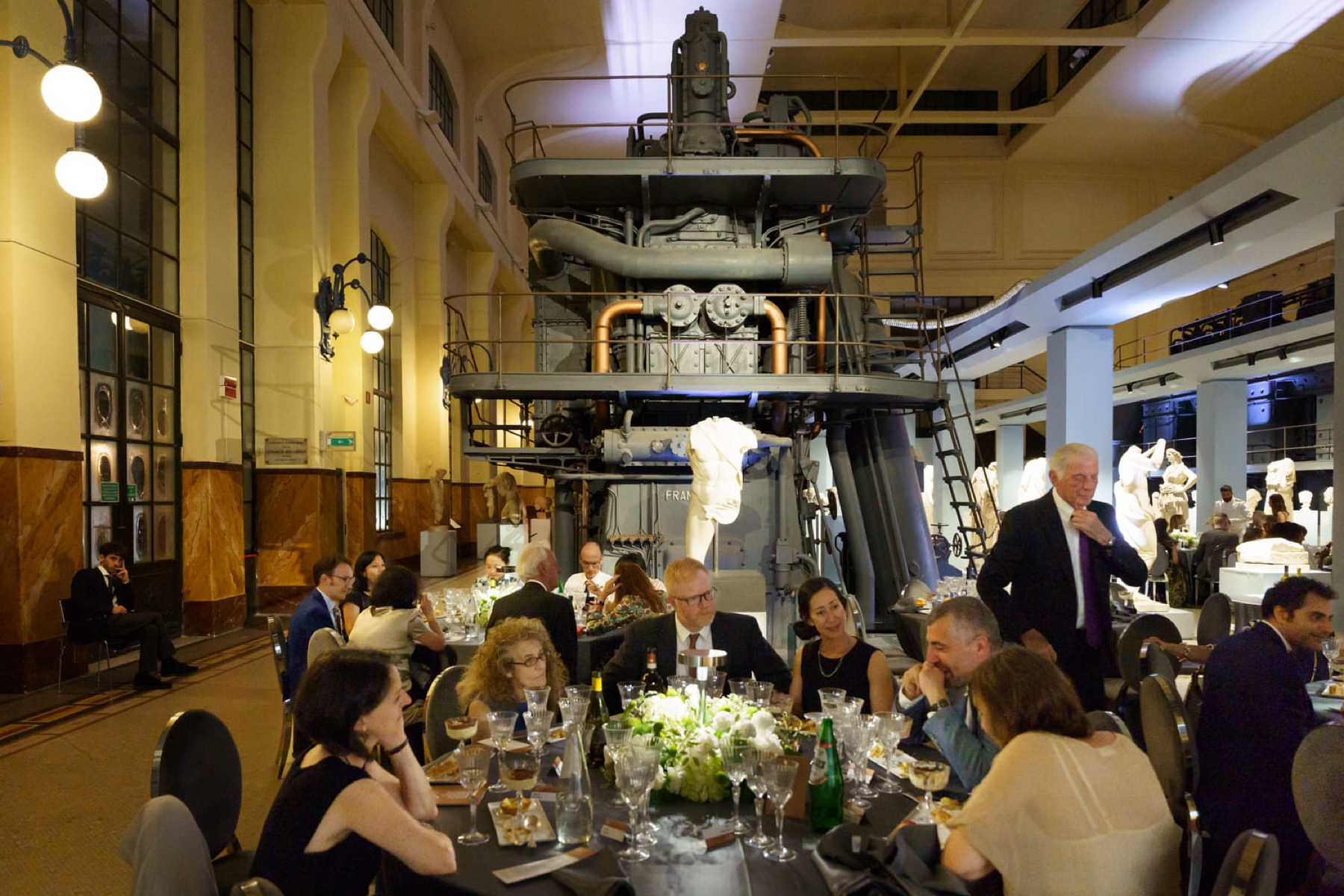
The prize dinner, guests at round tables beneath a preserved industrial engine and classical statues
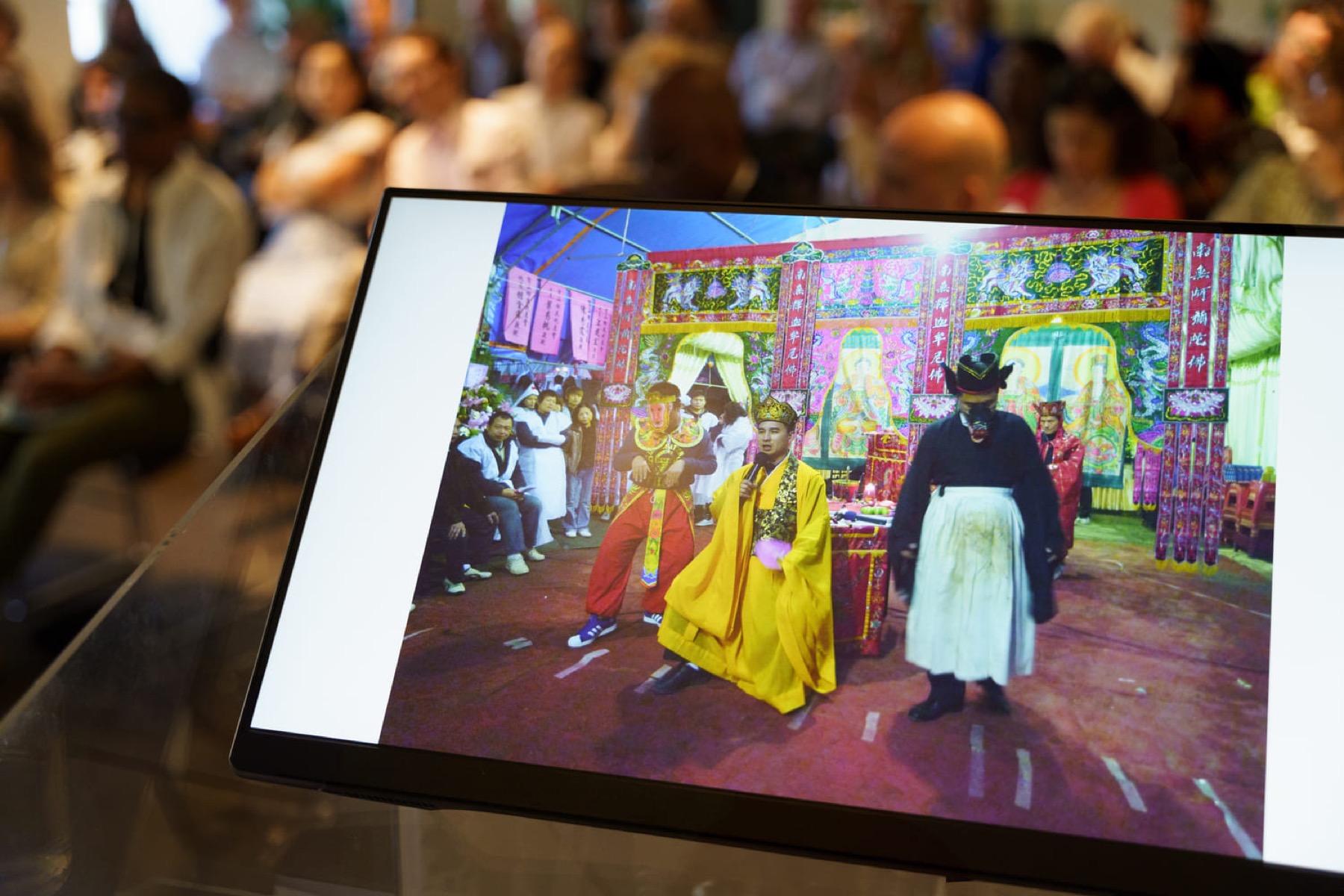
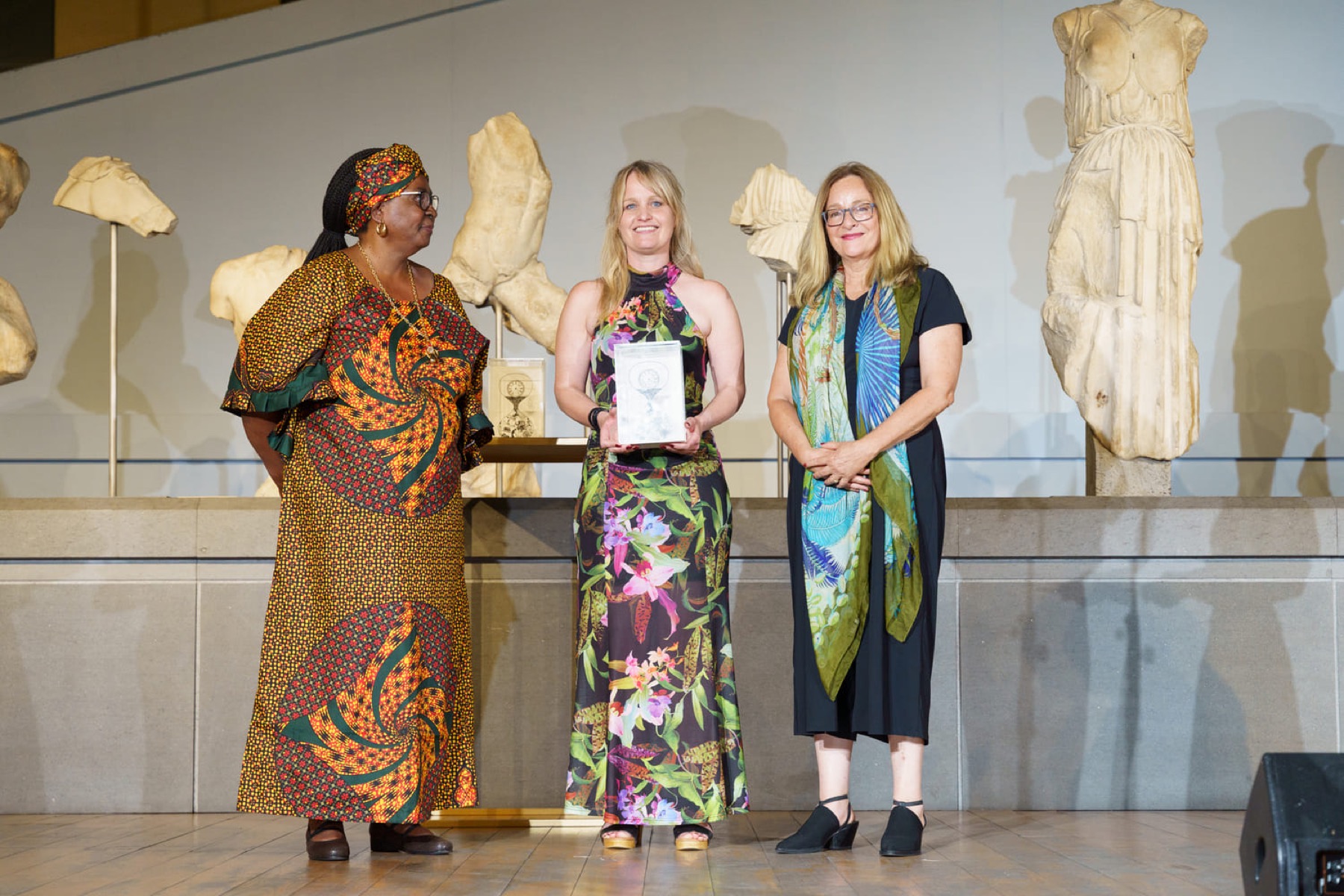
A laureate film playing on a screen at the History Day lecturesThree women on stage, the laureate at the centre holding her prize
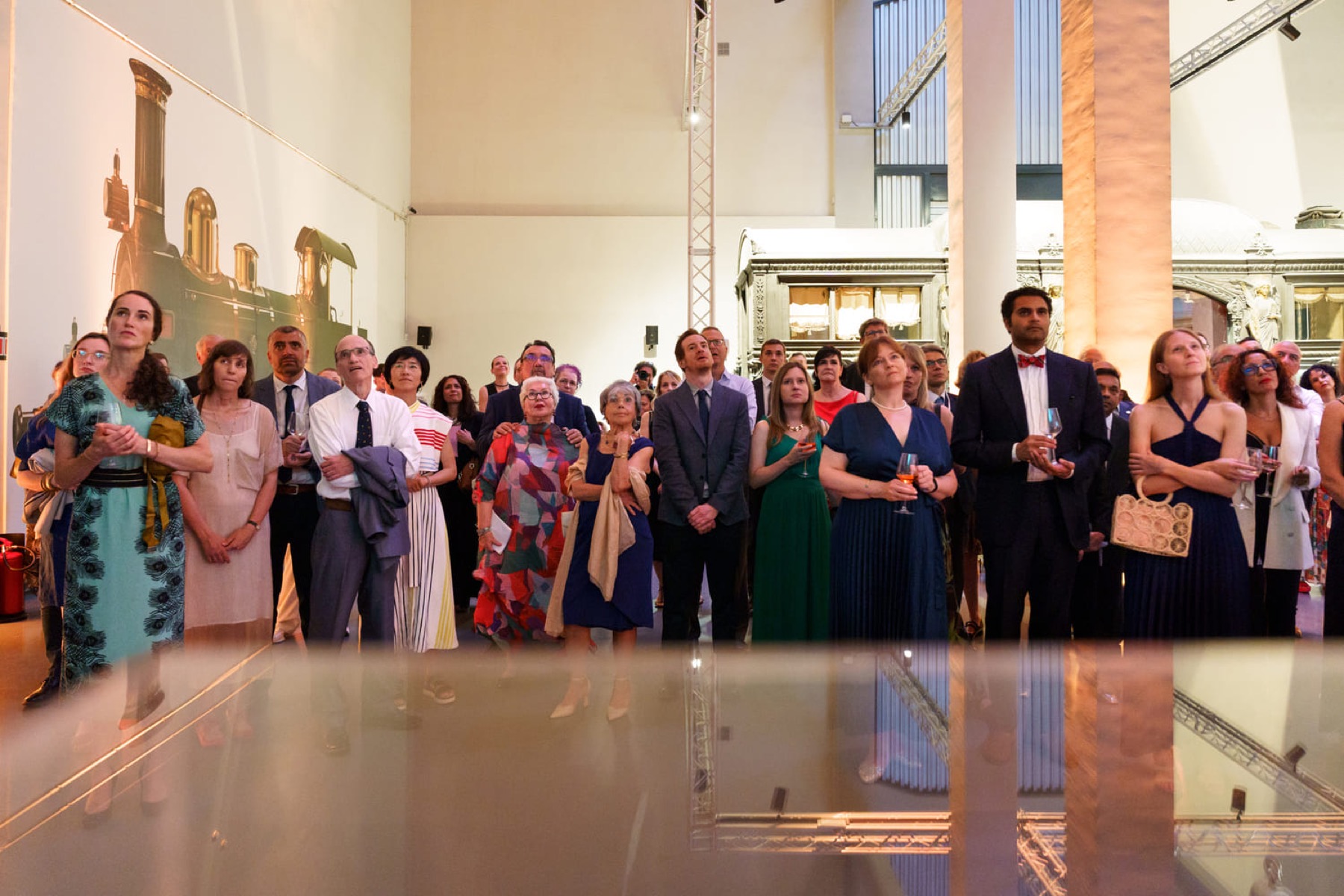
An audience standing and looking up at a screen, reflected in a polished floor

Photographs: Guy Yechiely, courtesy of Faza, producers of the Dan David Prize events since 2022.

Working with us

Three years in, the edition is the clearest demonstration of how the studio works: a standing team, the director in every script review, an original score by Eitan Shefer on every film, and a schedule built so that nine films a year can each be treated as though it were the only one.

Start a conversation →     ← All work